
Ultimate Guide to Rosé Wine
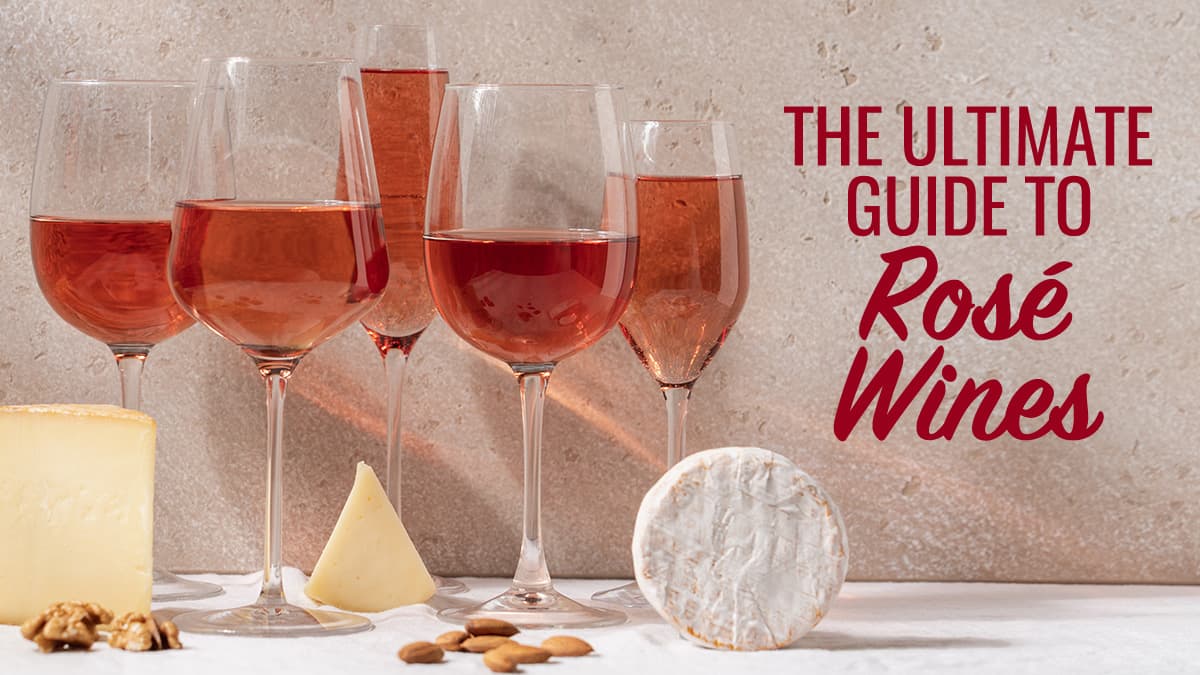
Rosé wine, with its captivating hues ranging from pale pink to vibrant magenta, is a beloved choice for seasoned wine drinkers and newbies, alike. Whether you're new to the world of rosé or have a few delicious vintages at home, this guide will help you understand the nuances of this delightful wine, its production, and provide some top-notch recommendations to elevate your next gathering or quiet evening.
What is Rosé Wine?
Rosé wine is made from red wine grapes but has a shorter maceration period than red wine, which results in a distinct pink color. The maceration process, where grape skins are left in contact with the juice, usually lasts from a few hours to a few days, depending on the desired color and flavor profile. The result is a wine that combines the freshness and crispness of white wine with the fruity characteristics of red wine.
How Does Rosé Wine Taste?
The taste of a bottle of rosé can vary widely depending on its region, grape variety, and production method. Generally, rosé wines are known for their light, fresh, and fruity profiles, often exhibiting a crisp and refreshing character. Here’s a few typical taste profiles of rosé:
Red Fruit Flavors: The most prevalent flavors in rosé wines are red fruits. You can expect to taste strawberries, raspberries, cherries, and red currants. These flavors are usually bright and fresh, contributing to the wine’s overall vibrancy.
Citrus and Melon: Many rosés have a zesty, citrusy edge, with notes of lemon, lime, grapefruit, and sometimes blood orange. Melon flavors like cantaloupe and watermelon also add to the refreshing quality of the wine.
Floral Aromas: Rosé wines often carry delicate floral notes, such as rose petal, hibiscus, and peony. These aromas enhance the wine’s elegance and add a subtle complexity.
Herbal and Spicy Notes: Depending on the region and grape variety, you might find hints of herbs like thyme, rosemary, or mint, as well as subtle spicy notes like white pepper or anise. These elements can add an intriguing depth to the wine.
Minerality: Some rosés, particularly those from regions with mineral-rich soils, exhibit a crisp minerality, reminiscent of wet stones or sea spray. This adds a refreshing and clean finish to the wine.
Taste Profiles by Region
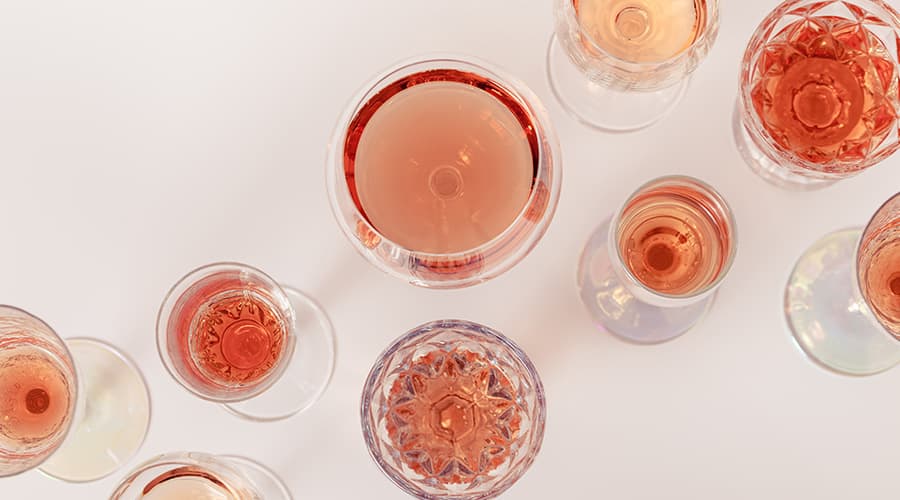
Provence, France: Known for producing some of the world’s most iconic rosés, Provençal rosé wines are typically dry and light-bodied with flavors of strawberry, watermelon, citrus, and a hint of Mediterranean herbs. They often have a pale, almost translucent pink color.
Tavel, France: This region produces more robust and fuller-bodied rosés. Expect deeper flavors of ripe red fruits like raspberry and cherry, often accompanied by a slight spiciness and a richer mouthfeel.
Rioja, Spain: Spanish rosés are known for their bright and bold fruit flavors, particularly strawberry and cherry, with a lively acidity. Some might also have a subtle oak influence, adding complexity and a touch of vanilla or spice.
California, USA: California rosés vary widely, but many are fruit-forward with flavors of peach, melon, and red berries. They can range from dry to slightly sweet, with a fuller body compared to European counterparts.
Italy: Italian rosés have a diverse range of flavors depending on the region and grape variety. Common notes include cherry, plum, and wild berries, often with a slightly savory or herbal edge. They can range from light and zesty to rich and flavorful.
How do I Serve Rosé Wine?
To fully appreciate the taste of rosé wine, consider the following tips:
- Serve Chilled: Rosé is best enjoyed chilled, typically around 45-55°F (7-13°C). This enhances its refreshing qualities and brings out its delicate flavors.
- Glassware: Use a wine glass with a slightly tapered rim to concentrate the aromas and enhance the tasting experience.
- Food Pairings: Rosé’s versatility makes it an excellent match for a wide range of dishes. Pair it with light salads, seafood, grilled vegetables, poultry, and even spicy foods. Its acidity and fruitiness complement many flavors, making it a great choice for diverse culinary experiences.
How is Rosé Made?
There are several methods to produce rosé wine, each contributing to its unique flavor and color:
- Maceration Method: The most common method, where red grapes are crushed and left to soak with their skins for a short period. The juice is then separated from the skins and fermented.
- Saignee Method: This involves "bleeding" off a portion of the juice from a red wine fermentation to create a rosé. This method intensifies the red wine while producing a byproduct of rosé.
- Blending Method: Less common and sometimes frowned upon, this involves blending a small amount of red wine with white wine to achieve the desired color.
- Direct Pressing: Similar to making white wine, the grapes are pressed immediately after harvest, allowing just a hint of color from the skins.
Tasting Notes and Pairings
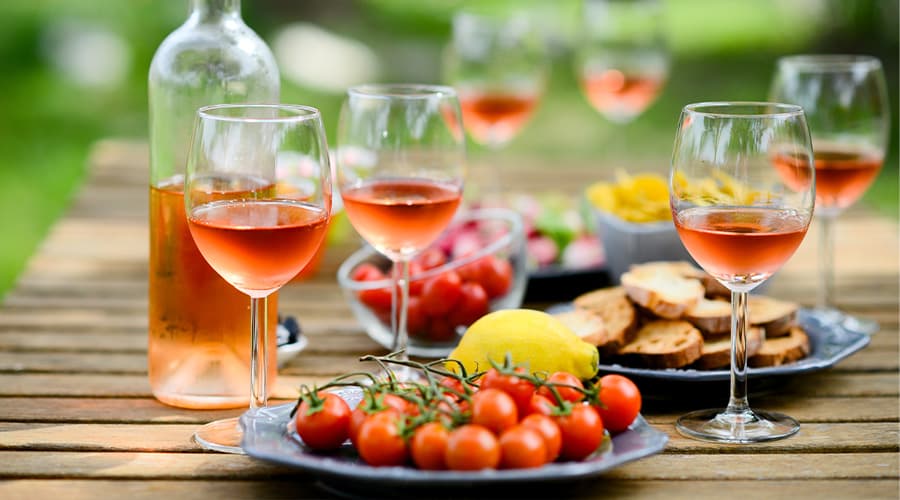
Rosé wines are incredibly versatile and can range from bone-dry to sweet. Here are some common tasting notes and pairing suggestions:
- Provençal Rosé: Light and dry with notes of strawberry, watermelon, and a hint of citrus. Pairs well with salads, seafood, and light pasta dishes.
- Tavel Rosé: Fuller-bodied with flavors of raspberry, cherry, and spice. Excellent with grilled meats, Mediterranean cuisine, and hearty salads.
- Spanish Rosado: Bright and fruity with notes of red berries and sometimes a hint of oak. Ideal with tapas, paella, and grilled vegetables.
- California Rosé: Varied styles but often fruit-forward with notes of peach, melon, and berries. Great with barbecue, spicy dishes, and cheese platters.
- Italian Rosato: Can range from light and zesty to rich and flavorful, with common notes of cherry, plum, and herbs. Pairs well with Italian dishes like pizza, pasta, and antipasto.
Rosé Recommendations
To help you find your perfect rosé, here are some top recommendations from around the world:
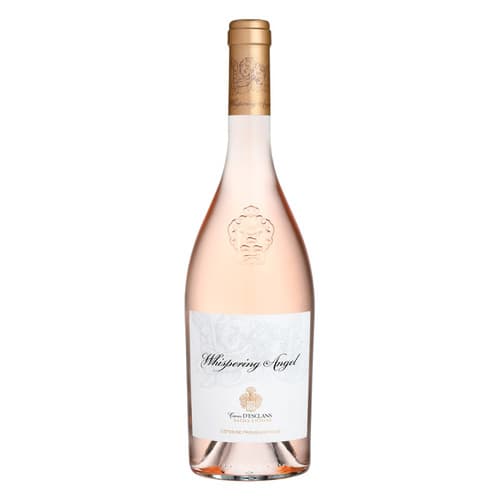
1. Whispering Angel (Côtes de Provence, France)
This iconic rosé is known for its delicate pink hue and fresh, crisp flavors of red berry fruit, peach, and citrus. It's a versatile wine that pairs beautifully with light dishes like seafood, salads, and appetizers. Its elegance and balance make it a favorite among rosé lovers.
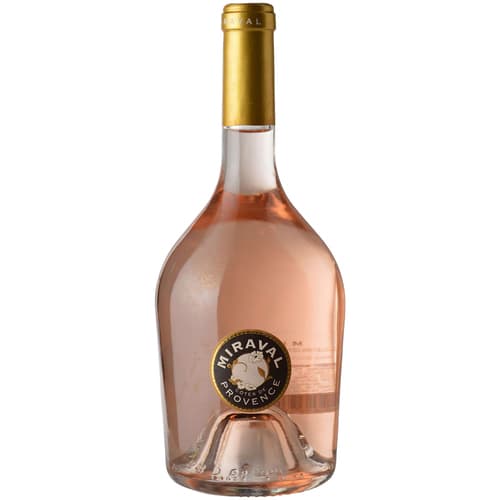
2. Miraval Rosé (Côtes de Provence, France)
Produced by the famous Jolie-Pitt family, Miraval Rosé is known for its elegant and refined profile. With notes of raspberry, peach, and citrus, it pairs beautifully with light fare such as seafood, salads, and fresh fruit.
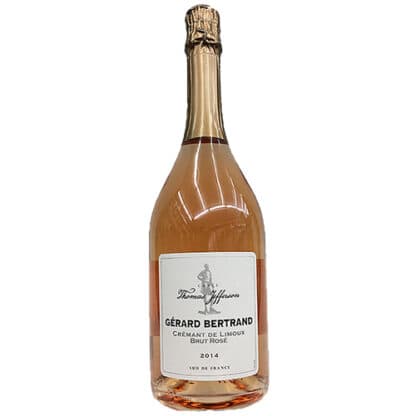
3. Gérard Bertrand Côte des Roses (Languedoc, France)
This rosé comes in a stunning bottle with a rose-shaped bottom, making it a great gift option. It offers flavors of red berries, floral notes, and a crisp finish, making it a lovely match for summer picnics, light appetizers, and shellfish.
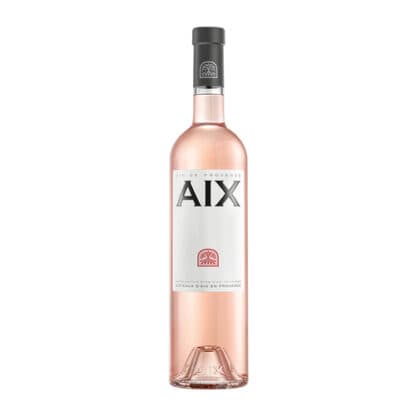
4. AIX Rosé (Coteaux d'Aix-en-Provence, France)
AIX Rosé is a classic Provençal rosé with flavors of watermelon, strawberries, and a hint of spice. Its refreshing and balanced profile makes it an excellent choice for outdoor gatherings, barbecues, and light Mediterranean dishes.
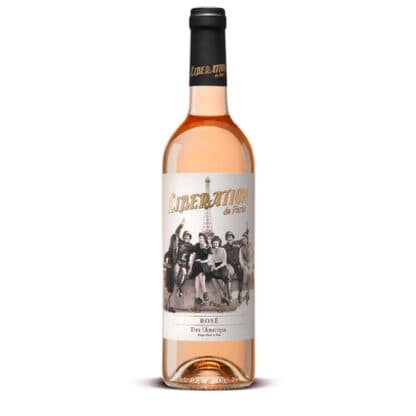
5. Libération De Paris Rosé (Cotes de Provence)
A subtle, well-balanced wine: delicious and elegant, floral and fruity, fresh and smooth on the palate.
How Do You Enjoy Rosé Wine?
Serve Chilled: Rosé is best enjoyed chilled, typically between 45-55°F (7-13°C). This enhances its refreshing qualities and brings out its delicate flavors.
Use the Right Glass: While any wine glass will do, a glass with a slightly tapered rim helps concentrate the aromas and enhances the tasting experience.
Store Properly: Keep rosé in a cool, dark place, and if you plan to age it, ensure it's a high-quality rosé with the potential for aging. See our guide on how to store wine for a detailed review.
Experiment with Pairings: Don't be afraid to experiment with food pairings. Rosé is versatile and can complement a wide range of dishes.
Enjoy in Good Company: Whether you're hosting a summer party or having a quiet evening, rosé is best enjoyed with friends and loved ones.
Rosé wine, with its myriad of styles and flavors, offers something for everyone. From light and crisp to rich and robust, there's a rosé to suit every palate and occasion. By exploring different regions, grape varieties, and production methods, you can discover new favorites and deepen your appreciation for this delightful wine. So, pour yourself a glass of rosé, sit back, and savor the moment. Cheers!