
Small Batch vs Single Barrel: Understanding the Key Differences in Bourbon
Estimated Reading Time: 12 Minutes
Standing in the whiskey aisle, you’ve likely encountered bottles labeled “small batch” and “single barrel,” wondering what these terms actually mean and which offers better value for your money. These designations represent two fundamentally different approaches to bourbon production, each offering distinct advantages for different drinking occasions and personal preferences.
While both small batch bourbon and single barrel bourbon must meet the same strict regulations for bourbon production—aged in new charred oak barrels with specific mash bill requirements—their production methods create vastly different drinking experiences. Understanding these differences will help bourbon enthusiasts make informed purchasing decisions and develop their palate more effectively.
On the blog today, we’ll explore the production processes, flavor characteristics, pricing dynamics, and practical considerations that distinguish small batch from single barrel offerings, giving you the knowledge to choose confidently between these two popular bourbon categories.
What is Small Batch Bourbon?
Small batch bourbon represents a curated blend of multiple barrels selected to achieve a consistent, balanced flavor profile that reflects the distillery’s house style. Despite its widespread use in marketing, “small batch” carries no legal definition under federal regulations, allowing each producer to determine their own barrel counts and selection criteria.
The barrel count in small batch production varies dramatically based on distillery size and philosophy. Craft distilleries might use as few as two barrels for a true small batch, while major Kentucky facilities like Heaven Hill may blend 200 or more barrels while still maintaining the small batch designation. This flexibility means consumers should understand each brand’s specific approach rather than assuming uniform standards across the industry.
Larger distilleries often blend by weight and volume rather than strict barrel counts, using their extensive inventory across dozens of rickhouses to hit precise analytical and sensory targets. This systematic approach allows them to maintain consistency even when drawing from thousands of available barrels, smoothing out variations in aging conditions and wood influence.
The small batch category emerged as producers sought to differentiate premium offerings from their standard batched products, positioning these releases as more curated and refined than baseline expressions while remaining more accessible than limited single barrel releases.
The Small Batch Production Process
Master distillers and blending teams approach small batch creation with specific flavor goals, selecting component barrels that complement each other harmoniously. One barrel might contribute sweetness and vanilla notes, another adds spicy flavors and oak complexity, while a third provides fruity notes or distinctive character that rounds out the final blend.
The blending process relies heavily on professional tasters and sensory panels who evaluate potential combinations against established house profiles. These experts work to eliminate outliers—barrels that might be too tannic, overly sweet, or lacking in balance—ensuring the final product meets consistent quality standards.
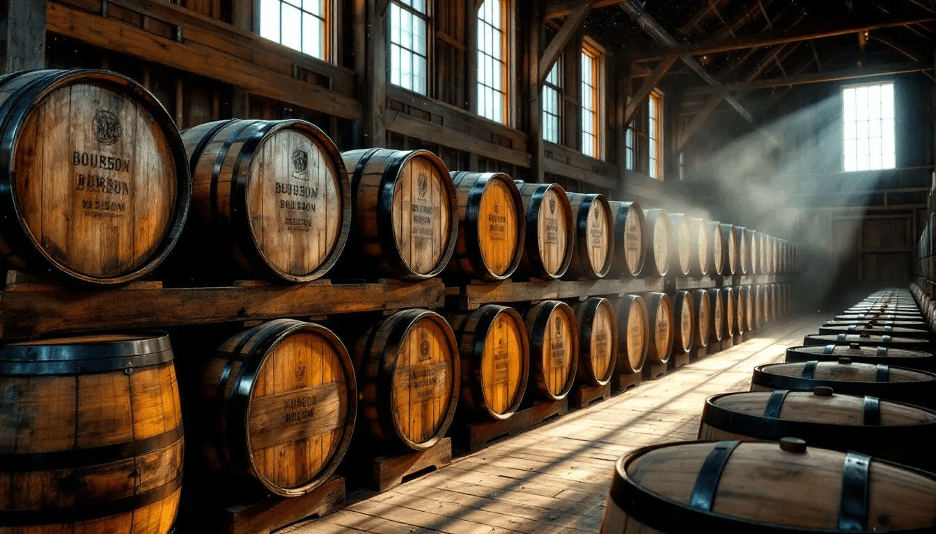
Producers strategically combine barrels from different warehouse locations and tiers to leverage various aging conditions. Upper rickhouse floors experience higher temperatures that accelerate maturation and concentrate flavors, while lower floors provide gentler aging that preserves delicate characteristics. This geographic blending helps average out environmental extremes into a more balanced final product.
The aging process for small batch bourbon follows standard bourbon requirements, aging in new charred oak containers for a minimum period, though most small batch releases fall in the 4-9 year range. After blending, producers typically proof down the whiskey with water to achieve target bottle strength, usually between 80-100 proof, optimizing flavor integration and market positioning.
Quality control throughout the process focuses on maintaining batch-to-batch consistency, with each release coded for traceability. The goal is creating a repeatable flavor experience that consumers can rely on, making small batch bourbon an ideal choice for those who prefer predictable taste profiles.
What is Single Barrel Bourbon?
Single barrel bourbon represents the opposite philosophy from small batch, celebrating the unique characteristics that develop in each individual cask during the aging process. Each bottle comes from only one barrel, typically identified on the label with specific barrel numbers, rickhouse locations, and sometimes fill and bottling dates that reinforce its one-of-a-kind nature.
The modern single barrel category gained widespread consumer recognition with Blanton’s launch in 1984, which positioned single barrel bourbon as a premium, collectible offering. This pioneering brand established the template for single barrel marketing, emphasizing the barrel’s specific identity and the unrepeatable nature of each release.
Each barrel develops its own distinctive character due to numerous variables during aging. Warehouse placement creates significant microclimate differences—barrels stored on upper floors experience more temperature fluctuations and faster evaporation, leading to concentrated, intense flavors, while lower-tier barrels age more gently with potentially softer profiles. Wood variability, char levels, and the specific interaction between bourbon and oak over years create flavor combinations that cannot be replicated.
A typical bourbon barrel yields approximately 150-250 bottles depending on aging conditions, entry proof, and final bottling strength. This finite output makes each single barrel inherently limited, often creating allocation scenarios and secondary market demand among bourbon enthusiasts who seek specific barrel characteristics or complete collections.
The single barrel designation requires strict controls during bottling to ensure the lot derives from only that specific barrel. While minor commingling might occur in bottling lines through residual product in hoses or holding tanks, producers maintain protocols to preserve the single barrel integrity and accurate labeling with barrel identifiers.
Single Barrel Flavor Variations and Drivers
Warehouse location serves as the primary driver of flavor variation in single barrel bourbon. Upper rickhouse tiers experience greater temperature swings and lower humidity, accelerating maturation while concentrating flavors through increased evaporation. These barrels often exhibit intense oak character, higher proof, and bold spice notes. Lower warehouse positions provide more stable aging conditions, typically producing smoother, more approachable profiles with enhanced grain character.
The seasonal expansion and contraction cycle creates non-linear flavor development as bourbon moves in and out of the wood grain. Hot summers drive deep extraction of tannins, vanillin, and caramelized sugars from the oak, while winter months allow for redistribution and integration of flavors. This natural rhythm means that even barrels stored adjacent to each other can develop markedly different taste profiles over the same aging period.
Char levels significantly influence single barrel character. Higher char creates more caramelization and filtration through the carbon layer, emphasizing vanilla, caramel, and smoky notes while moderating harsh tannins. Lower char levels allow more direct wood contact, potentially highlighting grain character and fruit notes while contributing different oak spice complexes.
Common flavor notes across single barrels include vanilla and caramel from wood sugars, baking spice from oak tannins, and varying degrees of leather, tobacco, and dried fruit. However, the specific expression and intensity of these characteristics varies dramatically between individual barrels, creating the distinctive character that single barrel enthusiasts actively seek.
Many producers emphasize unfiltered or minimally filtered bottling for single barrel releases, preserving barrel-specific oils and congeners that contribute to mouthfeel and flavor complexity. This approach maintains the authentic barrel character that would otherwise be diminished through heavy filtration processes.
Key Differences Between Small Batch and Single Barrel
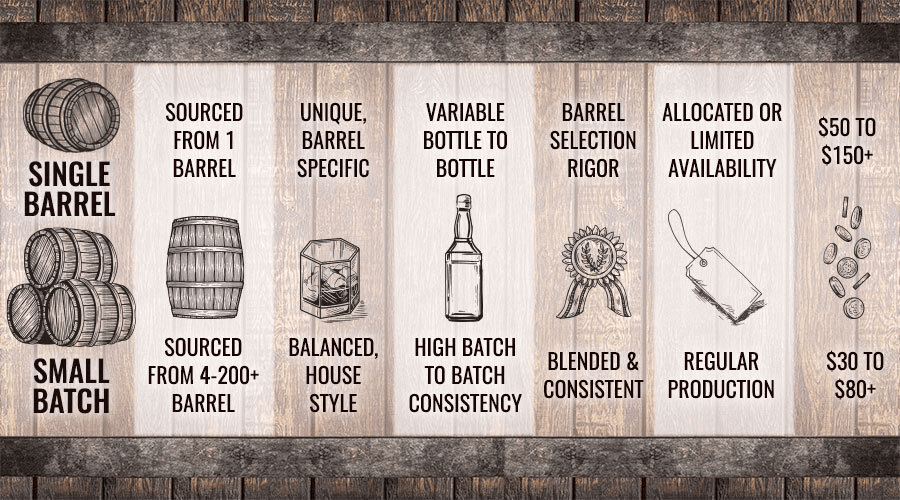
The fundamental production difference creates divergent consumer experiences. Small batch bourbon prioritizes reliability—the Elijah Craig Small Batch you enjoyed last month will taste nearly identical to today’s bottle. Single barrel bourbon embraces discovery, where one barrel might showcase honey and citrus character while another from the same distillery presents clove and caramel spice.
Small batch production allows for much larger volumes per release since multiple barrels contribute to each batch, and successful batches can be replicated using similar barrel selection criteria. This scalability supports consistent retail availability and year-round distribution through normal supply chains.
Single barrel releases face inherent volume limitations since each barrel produces only 150-250 bottles on average. This scarcity often creates allocation scenarios where retailers receive limited quantities, sometimes driving secondary market premiums and making certain single barrels difficult to locate.
Quality control methodologies differ significantly between categories. Small batch production relies on sensory panels, analytical testing, and blending expertise to maintain consistent profiles across releases. Single barrel programs focus on rigorous barrel selection, proper identification systems, and bottling integrity to preserve each barrel’s unique characteristics.
Pricing and Availability Factors
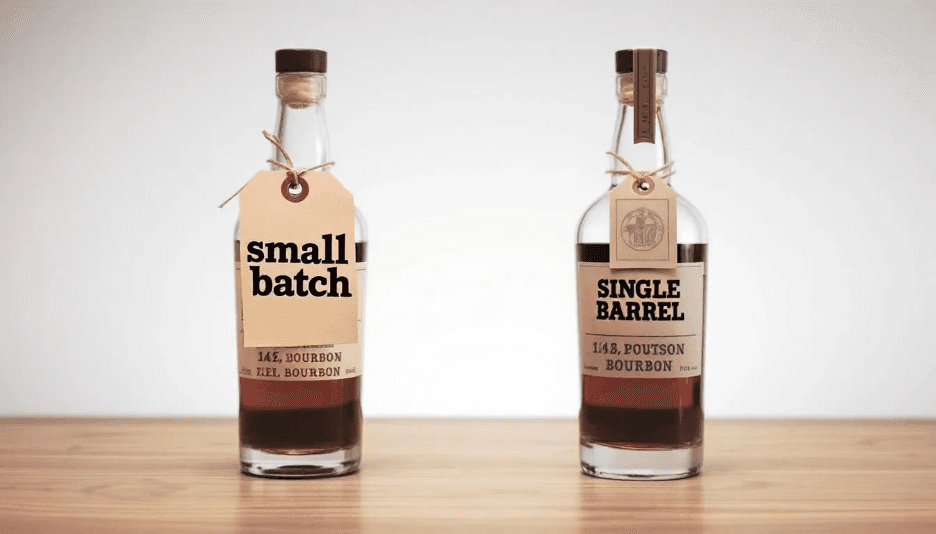
Single barrel bourbon typically commands premium pricing due to several economic factors. The limited yield per barrel creates natural scarcity, while the selection and curation process adds labor costs. Additionally, consumer demand for unique, collectible bottles supports higher price points, with many single barrel releases landing in the $50-150+ range compared to small batch offerings often priced $30-80.
Allocation dynamics significantly impact availability patterns. Single barrel bottles may sell out quickly due to their finite nature and collector interest, sometimes creating secondary market demand. Small batch production can be scaled and repeated to meet demand, supporting consistent retail presence and predictable restocking cycles.
Seasonal and special releases appear in both categories but serve different purposes. Distilleries may schedule small batch limited editions featuring different mash bills or finishing techniques, while single barrel programs often highlight seasonal aging effects or special warehouse selections to showcase terroir-like influences on flavor development.
Production economics favor small batch for volume and consistency. Blending multiple barrels allows producers to create larger batches with predictable characteristics, supporting efficient bottling operations and distribution networks. Single barrel programs require more individual attention but command higher margins that can justify the additional complexity.
Popular Examples and Brands
Notable Small Batch Bourbons
Four Roses Small Batch exemplifies the category’s consistency-focused approach, blending four different bourbon recipes to create a balanced, approachable profile that remains stable across releases. The brand’s transparency about their blending process helps consumers understand how multiple barrels contribute to the final product.
Knob Creek Small Batch represents a higher-proof expression that maintains consistency while showcasing the distinctive Beam flavor profile. Their 9-year age statement and 100-proof bottling demonstrate how small batch production can deliver both reliability and character.
These examples share common characteristics: consistent availability, reliable flavor profiles, and positioning as step-up expressions from their respective distilleries’ standard offerings while remaining more accessible than single barrel alternatives.
Famous Single Barrel Options
Four Roses Single Barrel showcases how the same distillery can excel in both categories, offering single barrel expressions that highlight individual barrel character while maintaining the quality standards established by their small batch program. Each bottle features specific barrel information and OBSV recipe designation.
Russell’s Reserve Single Barrel represents Wild Turkey’s premium single barrel program, often featuring higher proof expressions that showcase the distillery’s characteristic spice profile in concentrated form. Store pick programs make these barrels particularly sought after by bourbon enthusiasts.
These single barrel examples emphasize uniqueness, barrel identification, and limited availability that appeals to collectors and enthusiasts seeking distinctive bottles with provable scarcity.
Which Should You Choose?
For Daily Drinking and Cocktails
Small batch bourbon excels for regular consumption and cocktail mixing due to its consistent flavor profile that won’t surprise you batch to batch. The balanced character achieved through blending holds up well in classic cocktails like Old Fashioneds and Manhattans, where predictable flavor integration matters more than unique character.
Budget-conscious consumers benefit from small batch offerings’ typically lower price points and consistent availability. You can confidently purchase the same brand repeatedly knowing the flavor experience will remain familiar, making small batch bourbon ideal for building a reliable home bar foundation.
The moderate proof range common in small batch releases (80-100 proof) provides approachability for neat sipping while offering enough structure for cocktail applications. This versatility makes small batch bourbon particularly valuable for those who drink whiskey in multiple formats.
For Special Occasions and Collecting
Single barrel bourbon shines for special occasions where uniqueness and conversation value matter. Each bottle represents a singular expression that cannot be replicated, making single barrel selections meaningful for celebrations, gifts, or memorable tastings with friends.
Collectors gravitate toward single barrel offerings due to their inherent scarcity and identifying characteristics. Barrel numbers, rickhouse locations, and bottling dates create collectible appeal while enabling comparison tastings that highlight aging condition differences.
Store pick programs offer enhanced exclusivity and local connection, allowing consumers to purchase bottles tied to specific retailers or clubs. These exclusive selections often include tasting notes from the selection team, providing additional context and educational value.
Developing Your Palate
Beginners benefit from starting with small batch bourbon to establish baseline expectations for a particular distillery’s house style. The consistency allows newcomers to calibrate their palate against a stable reference point before exploring single barrel variations.
Experienced bourbon enthusiasts often appreciate single barrel offerings for advanced exploration, comparing different barrels from the same distillery to understand how aging conditions influence flavor development. This comparative approach builds deeper appreciation for bourbon’s complexity.
Maintaining tasting notes becomes particularly valuable with single barrel bourbon, where barrel numbers and specific characteristics can be tracked over time. This practice helps identify personal preferences and guides future purchasing decisions.
Tasting and Appreciation Tips
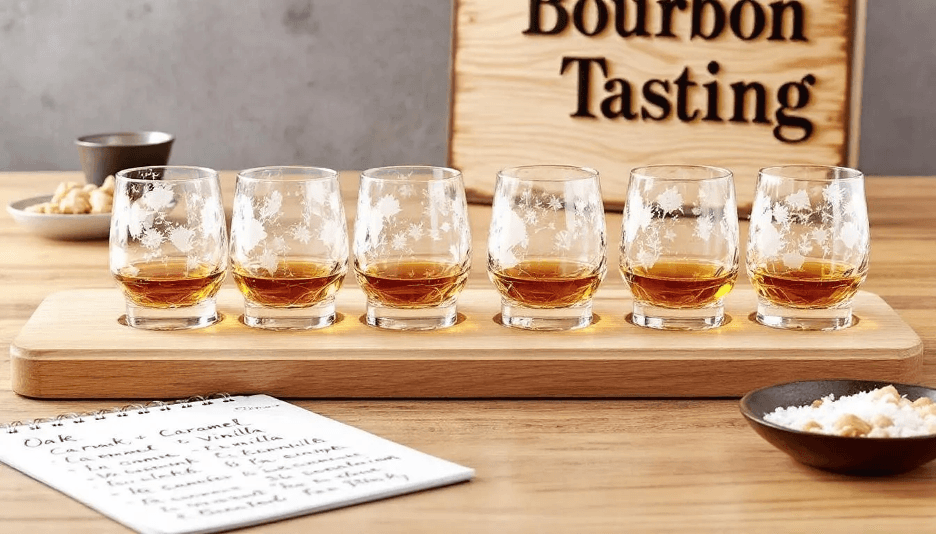
Side-by-side comparisons prove most instructive with single barrel bourbon, where tasting two or more barrels from the same producer isolates the effects of warehouse location, aging conditions, and wood variability. These exercises demonstrate why single barrel enthusiasts value variation as a feature rather than inconsistency.
Proper glassware enhances both categories but becomes particularly important for single barrel appreciation. Tulip or Glencairn glasses concentrate aromatics that might be more subtle or complex in single barrel expressions, especially at higher proof levels.
Water addition can unlock additional complexity in single barrel bourbon, particularly barrel proof expressions that may benefit from dilution to reduce alcohol heat and release additional aroma compounds. Start with small additions and taste incrementally to find optimal drinking strength.
Food pairing considerations differ between categories. Small batch consistency makes reliable pairing predictions easier, while single barrel variation might require more experimental approaches to find optimal combinations with different dishes.
Conclusion
The choice between small batch vs single barrel bourbon ultimately depends on your drinking preferences, budget considerations, and intended use. Small batch bourbon delivers the consistency and reliability that makes it ideal for daily drinking, cocktail mixing, and building foundational whiskey knowledge. Single barrel bourbon offers the uniqueness and variation that appeals to collectors, special occasions, and palate exploration.
Both categories represent legitimate approaches to bourbon craftsmanship, each serving distinct consumer needs within the broader whiskey market. Small batch production showcases blending expertise and quality control, while single barrel releases celebrate individual barrel character and aging condition diversity.
Whether you choose small batch for dependable enjoyment or single barrel for distinctive experiences, both paths offer rewarding journeys through bourbon appreciation. Consider starting with small batch expressions to establish baseline preferences, then explore single barrel variations to understand how individual barrels express the same distillery’s character differently.
The most successful bourbon enthusiasts often maintain both categories in their collections, selecting appropriate expressions based on occasion, mood, and drinking context. This balanced approach maximizes enjoyment while building a comprehensive understanding of how different production methods influence the final product in your glass.
FAQ
Quality depends on purpose rather than category. Small batch targets consistent balance for reliable enjoyment, while single barrel offers distinctiveness with natural variation. Both serve different consumer needs effectively, and personal preference should guide selection based on intended use.
Barrel counts vary dramatically since no legal definition exists for “small batch.” Craft distilleries might use 4-20 barrels due to limited inventory, while large Kentucky operations can blend 100-200+ barrels for releases still marketed as small batch. Context matters more than absolute numbers.
Limited yields create natural scarcity—each barrel produces only 150-250 bottles typically. Additional costs include selection labor, individual barrel tracking, and premium positioning that reflects the unique, unrepeatable nature of each release. Collector demand supports higher pricing.
Variation is intentionally minimized through careful blending and quality control processes designed to deliver similar flavor across batches. While minor differences might occur as source barrels change over time, consistency remains the primary goal and achievement of small batch production.
Whiskey doesn’t expire like perishable goods. Single barrel labels include fill dates, bottling dates, and barrel identification for provenance tracking rather than shelf-life indication. These details help consumers understand age and authenticity rather than safety concerns.
Small batch bourbon generally performs better in cocktails due to consistent flavor that integrates predictably with other ingredients. However, bold single barrel expressions can excel in spirit-forward cocktails where distinctive character enhances rather than complicates the drink profile.
“Small batch” means bourbon made by blending a limited number of selected barrels, usually chosen for flavor consistency. The number of barrels varies by distillery, but it’s much smaller than standard large-scale production.
“Single barrel” bourbon comes from one individual barrel, bottled without blending with bourbon from other barrels. This makes each batch unique.
Small batch is more consistent because the blending smooths out variations. Single barrel is less predictable, with each bottle reflecting the exact character of one barrel.
Generally, single barrel is rarer because it’s limited to the yield of one barrel (often around 150–250 bottles).
Not always. “Small batch” is a marketing term with no legal definition, so quality depends on the distillery’s selection process, not just the label.
Not necessarily. Single barrel can deliver incredible, unique flavors—but can also vary in quality and taste depending on that particular barrel’s aging conditions.
- Small batch: Balanced, consistent, and designed to match the distiller’s flavor profile.
- Single barrel: More distinct and sometimes bolder, with unique notes from its specific barrel.
They can be. If aged at least 2 years without additives, they qualify as “straight bourbon,” regardless of small batch or single barrel designation.
Single barrel bourbons are often more expensive due to rarity and bottling logistics. Small batch prices vary widely depending on brand and barrel selection.
There’s no rule, but premium single barrel bourbons are often aged longer to enhance complexity. Small batch can be younger or older, depending on the intended flavor profile.
Single barrel flavor depends heavily on where it aged—top floors see more heat and faster aging; lower floors age slower and produce different profiles.
Sometimes. If a small batch is made from a very limited number of barrels with strong character, it can have single barrel–like uniqueness.
Small batch is generally easier for beginners because of its consistency and balance. Single barrel is great for more experienced drinkers who enjoy exploring variations.
- Single barrel: Often lists barrel number, warehouse, and bottling date.
- Small batch: May list a batch number, but rarely provides full barrel details.
Single barrel releases are more collectible due to their uniqueness, especially from well-known distilleries or special releases.