
Sustainable Texas Distilleries: Eco-Friendly Spirits from the Lone Star State
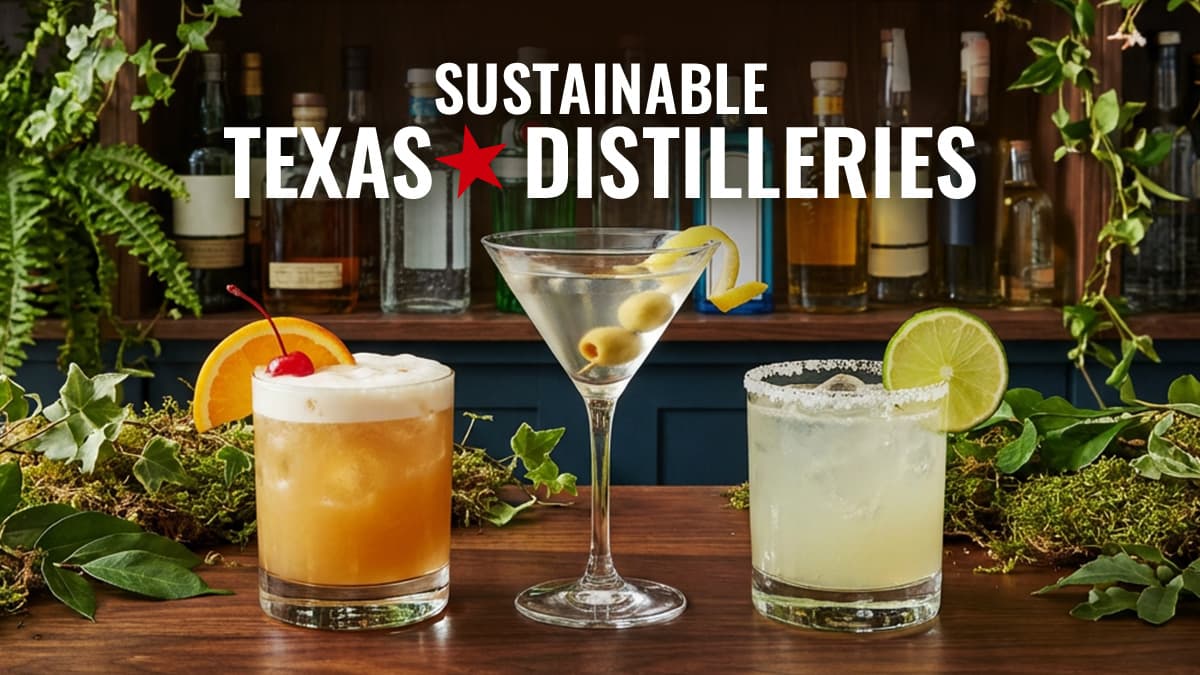
Sustainability is rapidly becoming a central concern for Texas's booming distilling industry, which now includes over 150 operations primarily located in the Texas Hill Country, Central Texas, and the High Plains. These regions face significant environmental pressures, notably water scarcity and extreme heat, which amplify the resource-intensive nature of distilling—demanding large amounts of grain, energy for heating and cooling, and substantial water for mashing. The frequent drought cycles and prolonged heat waves stress resources like the Edwards Aquifer, forcing distillers to fundamentally innovate their operational strategies around water conservation, energy efficiency (often through renewables), regenerative farming, and waste reuse. Furthermore, since 2020, rising consumer demand for locally sourced and environmentally responsible alcohol brands has incentivized distillers to increase transparency regarding their sustainability commitments, efforts that are increasingly championed by major retailers.
What Makes a Texas Distillery Sustainable?
Resource Efficiency & Waste Reduction
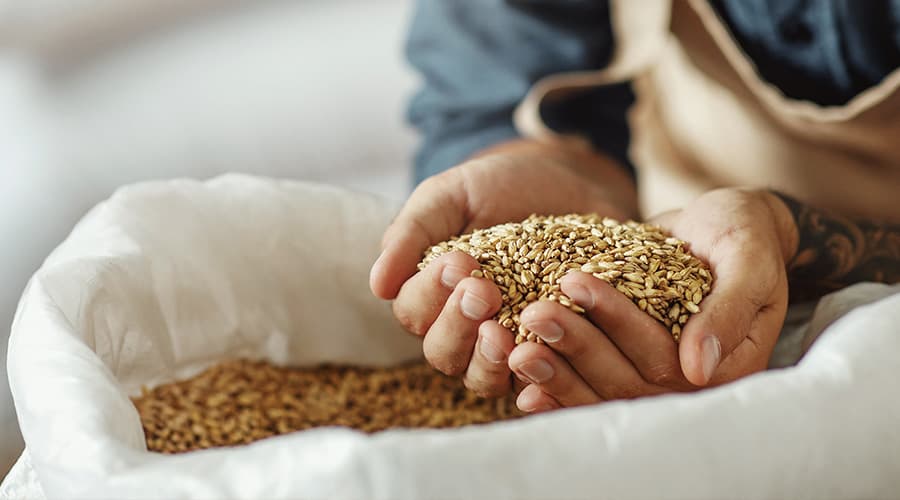
- Waste Management: Implement comprehensive programs to reuse spent grain (as cattle feed or compost), repurpose botanicals and barrel staves, and minimize single-use plastics. Chemicals are handled responsibly, avoiding artificial flavors or unnecessary additives.
- Water Stewardship: Utilize closed-loop cooling systems, capture rainwater, and reuse process water multiple times. Strictly adhere to local wastewater treatment protocols to safeguard Texas's rivers and aquifers.
- Energy & Emissions: Employ energy-efficient practices, including high-efficiency stills and heat recovery. Reduce reliance on boiler fuel through better insulation. Use solar panels or green power contracts and schedule distillation to avoid peak grid demand.
Sustainable Sourcing & Supply Chain
- Local Sourcing: Prioritize Texas-grown grains (corn, wheat, rye, barley) and local botanicals to significantly lower transport emissions.
- Agricultural Partners: Establish partnerships with growers who use regenerative farming techniques or reduced pesticides, focusing on drought-tolerant crops to improve soil health.
- Packaging: Select lighter bottle designs, use recycled glass, and choose environmentally responsible labels.
- Transportation: Concentrate on in-state distribution to reduce overall shipping distances.
Social & Community Impact
- Community Responsibility: Provide living-wage jobs, invest in local talent development, and actively support Texas-based non-profits and conservation initiatives.
Leading Sustainable Texas Distilleries to Know
This section highlights key Texas distilleries committed to sustainability. These examples demonstrate how producers across the state are tackling environmental concerns while creating high-quality spirits, many of which can be found at Spec's. The list is not all-inclusive, but it showcases notable eco-friendly practices.
Desert Door Texas Sotol (Driftwood)
Desert Door, founded in 2017 in Driftwood, produces sotol from wild-harvested Dasylirion texanum—a native Texas plant that represents a fundamentally different approach to spirits production.
- Drought-resistant by nature: Sotol requires no irrigation, replanting, or heavy fertilization, making it naturally suited to arid West Texas landscapes and dramatically reducing water use
- Conservation partnerships: The distillery collaborates with Texas Parks and Wildlife and regional landowners on responsible wild harvesting, invasive local species management, and native grassland restoration
- On-site practices: Desert Door reuses process water where possible, converts biomass waste to compost, and minimizes chemical inputs throughout the distillation process
- Lower-impact choice: Choosing sotol over water-intensive imported spirits offers Texas drinkers a genuinely sustainable option.
Balcones Distilling (Waco)
Balcones has been one of Texas’s most influential craft whiskey producers since its founding in Waco in 2008, operating from a repurposed industrial building that embodies adaptive reuse.
- Adaptive reuse: Their existing Waco warehouse and grain elevator avoided the environmental footprint of new construction while leveraging thick masonry walls for passive temperature moderation
- Texas grains: Emphasis on locally sourced ingredients including blue corn and malted barley from regional maltsters supports shorter supply chains across the high plains
- Energy efficiency: Upgraded stills, boilers, and heat-recovery systems improve efficiency and reduce steam loss during the production process
- Circular economy: Spent grain goes to nearby ranchers as cattle feed, creating a closed-loop system with local agriculture
- Find them easily: Spec’s locations across Texas stock Balcones core releases and seasonal bottles, supporting this pioneering producer
Treaty Oak Distilling (Dripping Springs)
Treaty Oak Distilling, located on a 28-acre property in Dripping Springs, is committed to land stewardship while producing its line of whiskey, gin, and other spirits.
- Land Management: The property actively preserves native grasses and oak woodland. Careful site planning minimizes erosion and runoff into local Hill Country waterways.
- Resource Conservation: Water use is minimized through well management, monitoring of cooling water, and the use of drought-tolerant landscaping for the distillery and tasting room areas.
- Local Economy: Sourcing Texas grain and botanicals supports regional agriculture and reduces the carbon footprint associated with long-distance ingredient transportation.
- Community Engagement: The destination property supports the rural economy beyond spirits sales by hosting local music events, food trucks, and educational programs.
- Availability: Treaty Oak spirits, offering a taste of Hill Country sustainability, are accessible to consumers at select Spec’s locations.
Still Austin Whiskey Co. (Austin)
Still Austin is an urban distillery founded in South Austin in 2015, committed to a grain-to-glass philosophy focused on Texas agriculture.
- 100% Texas Grains: Sourcing all corn, rye, wheat, and barley from local Texas family farms not only supports regional agriculture but also significantly shortens the supply chain.
- Energy Efficiency: The use of gravity-fed systems for grain handling reduces the need for energy-intensive pumping and augering, boosting overall operational efficiency.
- Waste Management: Spent mash is diverted from landfills by being sent to local livestock producers or compost programs.
- Social Commitment: Beyond environmental efforts, the distillery demonstrates social sustainability through partnerships with Austin artists and creatives for label design and community initiatives.
Other Notable Texas Distilleries with Green Initiatives
Several additional producers demonstrate the breadth of sustainability efforts across Texas:
- Fierce Whiskers features solar panels on their tasting room facility and sources local grains where possible, with production completed entirely in-house
- Blackland Distillery in Fort Worth uses native Texas grasses from the Blackland Prairie to produce bourbon, rye, gin, and vodka—directly connecting their brand to regional ecology
- Hill Country Distillers produces moonshine from prickly pear cactus, showcasing innovative ways to use native Texas plants
- Milam & Greene takes a thoughtful, place-driven approach to whiskey, using the extreme climate of the Texas Hill Country as a natural tool in the aging process. By allowing heat, elevation, and limestone-filtered water to shape their spirits, the distillery leans into its environment rather than trying to control it—resulting in bold, expressive whiskeys that reflect their surroundings.
How Sustainable Distilling Works in Practice
Texas distilleries are increasingly focusing on sustainable practices across their operations. Understanding these key areas help you make environmentally conscious purchases.
Key Sustainability Pillars for Texas Distilleries:
- Raw Material Sourcing:
- Distilleries prioritize locally-sourced Texas grains (corn, wheat, rye, sorghum) and native botanicals (orris root, lemon peel) chosen for their resilience to heat and drought.
- They partner with High Plains and Hill Country farmers who use sustainable techniques like cover crops, reduced tillage, and ground cover management, supporting soil health and organic goals.
- Energy Management:
- Efficiency improvements include better boiler insulation, regular steam line maintenance, and using variable-speed pumps.
- Distillation is often scheduled to avoid peak afternoon grid demand.
- Many facilities are reducing their carbon footprint by purchasing renewable energy from Texas wind and solar providers, working toward carbon-neutral operations.
- Water Conservation:
- Strategies include implementing closed-loop or semi-closed cooling systems.
- Rainwater is collected for non-process uses like cleaning and landscaping.
- Advanced filtration is used to treat process water before discharge, and several distilleries are actively pursuing water reuse objectives.
- Waste Reduction and By-Product Utilization:
- Spent grains are efficiently distributed to local Central Texas cattle and dairy farms.
- Used botanicals are composted.
- Strict protocols are followed for the responsible disposal of yeasts and cleaning chemicals to protect local waterways.
- Packaging and Logistics:
- The industry continues to adopt lighter-weight bottles and minimize unnecessary outer packaging.
- Statewide distribution from centralized Central Texas warehouses improves logistics efficiency compared to shipping from out-of-state.
- For barrel aging, producers select various wood types, including American white oak, and increasingly explore French acacia and French oak casks.

Choosing Sustainable Texas Spirits at Spec’s
Supporting sustainable Texas distilleries can be easily done both when shopping and when hosting. Look for these key indicators and tips to build an eco-friendly bar.
Label and Product Information:
- Transparency is Key: Look for details on sourcing, production methods, and local focus.
- Local Sourcing: Seek statements like “Texas grain,” “wild-harvested,” or “grain-to-glass.”
- Eco-Commitment: Watch for mentions of conservation partnerships, water/energy initiatives, or the use of native ingredients such as sotol.
- Consult Experts: Ask store consultants for recommendations on Texas sustainable brands, as staff are kept current on local producers and new releases.
Hosting a Sustainable Texas Cocktail Night
Connect your choice of sustainable spirits to responsible entertaining with these tips for reducing your party's environmental impact.
Conscious Ingredients:
- Texas Base: Start with spirits distilled in Texas (whiskey, gin, sotol, rum).
- Seasonal Mixers: Complement your base with seasonal Texas citrus, herbs, and fruit.
- Local Wine: Consider using organic grapes from Texas vineyards for wine-based cocktails.
Waste Reduction and Reusables:
- Minimize Food Waste: Repurpose fruit peels and trimmings for garnishes, syrups, or infusions.
- Skip Plastic: Opt for metal or compostable straws and stirrers instead of single-use plastic.
- Reusable Glassware: Use real glass for drinks instead of disposable cups.
- Efficient Ice Use: Prepare cocktails in batches to cut down on wasted, half-melted ice and leftover drinks.
Simple recipe ideas:
| Cocktail | Base Spirit | Key Element |
| Texas Old Fashioned | Texas bourbon | Local orange peel, blend of bitters |
| Sotol Highball | Desert Door Sotol | Sparkling water, lime - low-waste and refreshing for hot evenings |
These recipes highlight sustainable, Texas-sourced elements while keeping preparation simple.
The Future of Sustainable Distilling in Texas
For Texas distilleries, sustainability is no longer optional; it's a strategic necessity driven by climate change and mounting regulatory pressure.
Key Sustainability Trends in Texas Spirits:
- Renewable Energy: Implementing on-site solutions, such as installing solar panels on warehouse roofs.
- Supply Chain Integration: Forging deeper alliances with regenerative farms to work toward carbon-negative practices.
- Certification: Adopting third-party sustainability certifications specifically tailored for the spirits industry.
Drawing from Global and Local Models:
Texas distillers are adapting successful global strategies—including the use of renewables, closed-loop cooling, and habitat restoration seen in leading global gin, tequila, and whisky companies—to fit local conditions, much like the innovation found in the state's wine and food industries.
The Role of the Consumer:
Consumer demand favors local and transparently produced spirits. This consistent market support encourages more distilleries to invest in necessary sustainability upgrades, actively shaping the future of Texas spirits for the next generation.
With its rich agricultural diversity, from vineyards to grain farms, and a community of innovative distillers, Texas is uniquely positioned to become a national leader in sustainable spirits, contributing to a sustainable future globally.
FAQ
Are sustainable Texas spirits more expensive than conventional options?
Some sustainably focused bottles cost slightly more due to local grain costs, small-batch production, and investments in efficient equipment. However, many Texas options remain competitively priced with comparable quality. Spec’s stocks a range of price points, so customers can find eco-conscious Texas whiskeys, gins, and sotols fitting both everyday and special-occasion budgets—similar to how pedernales cellars and other wineries in the texas wine industry offer accessible sustainable options.
How can I tell if a Texas distillery really follows sustainable practices?
Look for detailed information on the distillery website and bottle labels about water use, grain sourcing, and waste management rather than vague “green” language. Check for third-party certifications, documented partnerships with conservation or farm groups, and clear numbers or goals—such as percentage of Texas grain used or specific natural pest management approaches. Earth day announcements often reveal genuine commitments versus marketing.
Does choosing Texas-made spirits actually reduce my environmental footprint?
Buying in-state products cuts transportation emissions and supports farms and jobs closer to home, though total impact depends on farming and production methods too. Combining local choices with more sustainable practices from transparently minded sustainable brands maximizes benefits. Consider it similar to choosing local over imported in any food industry category.
Are there certified organic or biodynamic spirits made in Texas?
Organic certification remains relatively rare among Texas distilleries, but interest is growing—especially among producers experimenting with organic grain or botanicals. Search product descriptions on specsonline.com or ask in-store staff about any organic-certified or low-input Texas options currently available, similar to how the texas wine industry has expanded eco friendly practices.
What’s the most sustainable type of alcohol to drink in Texas?
No single spirit claims the “most sustainable” title, but options using native or drought-tolerant ingredients (like sotol) and local grains, produced with efficient water and energy practices, often have an edge over imported alternatives. Texas consumers focusing on local, transparently produced bottles combined with responsible at-home habits—waste reduction, reusable glass rather than disposable options—create the biggest overall importance for environmental impact.