
Texas Bourbon vs Kentucky Bourbon: Climate, Flavor & How to Taste the Difference
The stark flavor difference between Texas and Kentucky bourbon boils down to the barrel's intense environment—the climate is the ultimate key to their contrasting tastes. Understanding these delicious regional variations is more than just fun fact; it's essential for making better whiskey choices and enjoying a much more exciting drinking experience.
Texas Bourbon vs Kentucky Bourbon: The Short Answer
What’s the difference between Texas bourbon and Kentucky bourbon? Both must follow the same federal rules to qualify as bourbon whiskey—at least 51% corn in the mash bill, aged in new charred oak barrels, distilled and aged in the United States, and bottled at 80 proof or higher. However, where they age these barrels dramatically changes the taste.
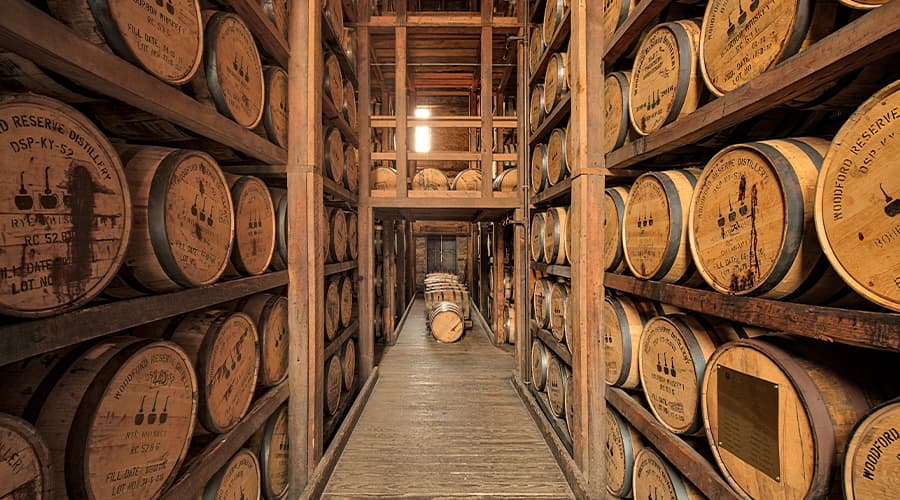
Texas bourbons are stereotypically darker, more intense, and oak-forward. This happens because hotter, drier conditions and bigger daily temperature fluctuation force higher oak extraction compared to Kentucky’s environment. Kentucky bourbons tend to develop a softer, fruitier, and more balanced sweetness because their maturation occurs in cooler, more humid rickhouses.
What Makes a Bourbon “Texas” or “Kentucky”?
“Bourbon” is a federally regulated style of American whiskey, but state names like “Texas” or “Kentucky” indicate where the whiskey making happens—where it’s produced, distilled, and aged.
Legally, bourbon must meet these requirements:
- Made in the United States
- At least 51% corn in the mash bill
- Aged in new charred oak barrels
- Distilled to no more than 160 proof
- Entered into barrels at no more than 125 proof
- Bottled at 80 proof or higher
- No additives beyond water for proof adjustment
“Kentucky Straight Bourbon” generally means the bourbon was distilled and aged in Kentucky for at least two years, following straight bourbon standards with no additives. Similarly, “Texas Straight Bourbon” refers to bourbon meeting those same requirements while being produced in-state.
Many modern Texas producers prioritize local grain, Texas water, and hot-climate aging as part of their identity. This contrasts sharply with Kentucky’s established traditions, where whiskey making has deep roots stretching back to the late 18th century.
Climate and Aging: Why Texas and Kentucky Bourbon Taste So Different
The aging process is where climate significantly differentiates Texas bourbon. The Milam Greene distillery’s five-year study provides perfect evidence for this: they aged two identical whiskeys in different environments and produced dramatically different results.
Kentucky Aging Conditions (Bardstown, KY)
Kentucky's aging process is characterized by moderate temperatures, including winters around 40°F and warm summers, along with high humidity (typically 65-85%). These environmental factors result in a gradual aging process: annual evaporation is slow, around 2-4%, and the proof increases moderately over time. The cycle of warm summers allows the whiskey to expand into the barrel wood, while milder winters cause it to contract slowly.
Texas Aging Conditions (Blanco, TX)
The climate of the Texas Hill Country, which is considerably hotter and drier than Kentucky's, significantly impacts bourbon aging. With mild winters averaging 60°F and hot summers consistently in the mid-90s°F, the environment is characterized by lower humidity (around 50-60%) and extreme daily temperature fluctuations. These large swings, sometimes exceeding 100°F during the day before dramatically cooling at night, greatly accelerate the bourbon's interaction with the oak barrel.
What Happens Inside the Barrel
When temperatures spike, whiskey pushes deep into the barrel staves. When it cools, the liquid contracts and pulls extra flavor extraction from the wood. In Texas, this cycle happens more intensely and frequently, extracting more color, tannins, and wood compounds in less time.
In Milam Greene’s experiment, the same distillate aged over five years ended up at roughly 108 proof in Kentucky versus about 117 proof in Texas. The Texas aged bourbon lost more volume to evaporation but gained concentration and intensity. The climate alone—not the distillate, not the barrels—changed both proof and flavor profile.
Climate and Aging: Why Texas and Kentucky Bourbon Taste So Different
The aging process is where climate significantly differentiates Texas bourbon. The Milam Greene distillery’s five-year study provides perfect evidence for this: they aged two identical whiskeys in different environments and produced dramatically different results.
Kentucky Aging Conditions (Bardstown, KY)
Kentucky's aging process is characterized by moderate temperatures, including winters around 40°F and warm summers, along with high humidity (typically 65-85%). These environmental factors result in a gradual aging process: annual evaporation is slow, around 2-4%, and the proof increases moderately over time. The cycle of warm summers allows the whiskey to expand into the barrel wood, while milder winters cause it to contract slowly.
Texas Aging Conditions (Blanco, TX)
The climate of the Texas Hill Country, which is considerably hotter and drier than Kentucky's, significantly impacts bourbon aging. With mild winters averaging 60°F and hot summers consistently in the mid-90s°F, the environment is characterized by lower humidity (around 50-60%) and extreme daily temperature fluctuations. These large swings, sometimes exceeding 100°F during the day before dramatically cooling at night, greatly accelerate the bourbon's interaction with the oak barrel.
What Happens Inside the Barrel
When temperatures spike, whiskey pushes deep into the barrel staves. When it cools, the liquid contracts and pulls extra flavor extraction from the wood. In Texas, this cycle happens more intensely and frequently, extracting more color, tannins, and wood compounds in less time.
In Milam Greene’s experiment, the same distillate aged over five years ended up at roughly 108 proof in Kentucky versus about 117 proof in Texas. The Texas aged bourbon lost more volume to evaporation but gained concentration and intensity. The climate alone—not the distillate, not the barrels—changed both proof and flavor profile.
Flavor Profiles: How Kentucky and Texas Bourbons Show Up in the Glass
Most drinkers notice differences first in color, aroma, palate, and finish—even without knowing the climate science behind it. Here’s what to expect from each style:
Kentucky-Aged Bourbon Profile
- Color: Lighter amber, golden honey tones
- Nose: Bright fruit (apple, cherry), floral esters, vanilla, baking spice
- Palate: Estery sweetness, corn sweetness, gentle spice, buttered toast
- Finish: Smoother, slightly malty, long spicy notes
Texas Aged Bourbon Profile
- Color: Deeper amber or mahogany, often resembling bourbons twice its age
- Nose: Caramel, toasted oak, baking spice, sometimes smoky or roasted notes
- Palate: Robust oak, dark caramel, cinnamon, pepper, toffee, toasted marshmallows
- Finish: Long, rich, wood-forward, with lingering spice notes
Case Study: Milam & Greene’s 5-Year Texas vs Kentucky Bourbon Experiment
Milam & Greene’s study definitively confirmed a popular hypothesis: the hotter, drier climate of Texas leads to increased oak extraction and, as a result, whiskey matures quicker compared to other regions. This makes the study one of the most controlled, real-world comparisons of how different aging climates affect bourbon casks over time.
The Setup
In 2019, bourbon was distilled at Bardstown Bourbon Company in Kentucky using a single mash bill: 70% corn, 22% malted rye, 8% malted barley. The distillate was immediately shipped into identical 53-gallon new charred oak barrels. Half the barrels stayed in Bardstown, while the other half traveled to Blanco in the Texas Hill Country.
The Results After Five Years
| Metric | Kentucky-Aged | Texas-Aged |
| Final Proof | ~108 | ~117 |
| Color | Lighter amber | Dark mahogany |
| Annual Volume Loss | 2-4% | Over 10% |
| Dominant Notes | Fruit, floral, vanilla | Oak, caramel, spice |
This experiment confirmed what many distillers suspected: aging in different states creates dramatically different bourbons from the same starting spirit, supporting further research into regional terroir. The limited release is now available as 375ml paired bottles for $149.99, allowing consumers to taste and blend themselves.
How to Taste Texas vs Kentucky Bourbon Side by Side
Ready to explore the differences yourself? Setting up an at-home comparison flight is the perfect way to do this.
Simple Setup
- Glasses: Two to four rocks glasses
- Bourbons: At least one Texas bourbon and one Kentucky straight bourbon
- Water: A small pitcher for adding drops to open up flavors
- Notepad: Optional, but helpful for tracking observations
Tasting Order
Start with the lower-proof Kentucky bourbon, then move to the higher-proof Texas bourbon to avoid palate fatigue.
What to Look For
- Color: Hold glasses against a white background. Notice depth differences.
- Nose: Identify fruit vs oak, vanilla vs caramel, floral vs roasted notes.
- Palate: Assess sweetness vs spice, light vs robust mouthfeel.
- Finish: Pay attention to length, heat, and lingering flavors.
For the best experiment, put a spotlight on your natural preferences and taste blindly, if you can. Have a friend pour, then reveal which is Texas or Kentucky after forming your opinion.
At Spec’s, our staff can help you build a Texas vs Kentucky bourbon flight at different price points.
Choosing the Right Bourbon for You: When to Reach for Texas vs Kentucky
Most bourbon lovers enjoy both styles, but certain occasions and palates favor one over the other.
Reach for Kentucky Bourbon When…
- You prefer softer, fruitier, and more classic profiles
- Making an Old Fashioned or whiskey sour where balance matters
- Introducing someone new to bourbon
- You want neat sipping with gentle complexity
Reach for Texas Bourbon When…
- You enjoy bold, oak-driven, spice-forward whiskey
- Making Manhattans or smoked Old Fashioneds that handle intensity
- You appreciate delicious and batched together characteristics with Texas BBQ
- Sipping neat or with a large ice cube to tame proof
Beginners might want to start with an approachable Kentucky straight bourbon, then branch into Texas bourbons to experience how climate intensifies oak and spice.
Try this experiment: make the same cocktail recipe using one Texas and one Kentucky bourbon. Keep notes on favorites for future purchases—your palate will guide you toward the best casks for your taste.
FAQ
Is Texas bourbon legally different from Kentucky bourbon?
Under U.S. law, “bourbon” follows the same federal standards regardless of state. Both Texas and Kentucky bourbons meet identical legal definitions—the rules about corn percentage, barrel type, and proof limits apply nationwide. What differs is where the whiskey is distilled and aged, and how local climate, water, and production traditions shape flavor. Labels like “Kentucky Straight Bourbon” or “Texas Straight Bourbon” indicate origin and compliance with “straight” aging rules, not a separate legal category.
Does Texas bourbon really age faster than Kentucky bourbon?
In practice, hotter, drier Texas conditions speed up certain maturation aspects—especially extraction of color and oak flavors—compared to cooler, more humid Kentucky warehouses. Experiments like Milam Greene’s five-year study show Texas barrels losing more volume while gaining more proof and wood-derived character over identical time periods. However, “faster” doesn’t automatically mean “better.” It simply produces a different balance of flavors in shorter calendar time. Some scotch drinkers familiar with old-world versus new-world wine comparisons understand this terroir concept intuitively.
What proof should I expect from Texas vs Kentucky bourbon?
Both Texas and Kentucky bourbons can be bottled across a wide proof range, from 80 proof to barrel strength, depending on the brand and release. Due to greater evaporation and concentration, Texas-aged barrels often end up at higher barrel proof (around 117) than Kentucky counterparts (around 108) after similar aging periods. Always check the label for bottled proof, and add a few drops of water or an ice cube if a Texas barrel-strength bourbon feels too intense.
Which is better for cocktails: Texas bourbon or Kentucky bourbon?
Both work beautifully in cocktails, but they contribute different characters. Kentucky bourbons often lend balanced sweetness and fruit, making them ideal for classic recipes where you want traditional bourbon flavor. Texas bourbons bring extra oak, caramel, and spice notes that stand up well in bolder or smoked cocktails. Experiment with the same recipe using both styles from Spec’s shelves to discover your preference. A food truck serving Texas Hill Country BBQ pairs wonderfully with either style—just ask the team at your next release party or live music event for recommendations.
Where can I buy both Texas and Kentucky bourbons to compare them?
Spec’s Wine, Spirits & Finer Foods stores across Texas, along with specsonline.com, offer extensive selections of both Texas and Kentucky bourbons for customers 21 and over. Visit a local Spec’s for personalized recommendations for a side-by-side tasting flight, including everyday favorites and special releases. Online shoppers can filter by region or brand to build a Texas vs Kentucky comparison set. Whether you’re bringing whiskey to a gathering or exploring advanced techniques in home tastings, Spec’s is here to help match flavor preferences to specific labels. Cheers!