
Wine Pairings for Classic Valentine’s Meals
Valentine’s Day is approaching, and whether you’re planning an intimate dinner at home or reserving a table at your favorite restaurant, the right wine can transform a delicious meal into an unforgettable evening. The good news? You don’t need to be a sommelier to nail the perfect wine pairing for your romantic dinner.
When we talk about classic Valentine’s meals, we’re looking at the dishes that have defined romantic dining for decades: a perfectly seared steak, buttery lobster tail, creamy pasta, herb-roasted chicken, elegant vegetarian mains, and of course, chocolate desserts. Each of these dishes has a wine soulmate waiting to elevate every bite, and today on the blog, we’ll show you exactly which bottles to reach for.
Think of this as your cheat sheet for Valentine’s Day dinner success. Every section below gives you concrete food and wine recommendations—specific grapes like Champagne, Sauvignon Blanc, and Pinot Noir paired with specific dishes—plus simple serving tips that take seconds to execute.
Setting the Mood: Choosing a Romantic Wine Style
Before diving into specific food pairings for Valentine’s Day, consider what mood you want to create for the evening. Wine isn’t just a beverage—it shapes the entire atmosphere of your meal, from the first sip to the last lingering note.
Here are four wine “moods” to guide your selection:
- Bubbly & Celebratory – Champagne, Prosecco, or Crémant creates instant festivity and signals that this is a special occasion worth toasting
- Light & Fresh – Sauvignon Blanc or dry rosé keeps things flirtatious and easy, perfect for easy-breezy romance vibes
- Silky & Romantic – Pinot Noir or Gamay offers gentle elegance with delicate flavors that feel intimate without being heavy
- Deep & Sultry – Cabernet Sauvignon, Malbec, or Syrah brings bold intensity for couples who want rich, lingering romance
Here’s a quick way to match wine style to your relationship stage: if you’re in a newer relationship, lean toward lighter, playful wines—bubbles and crisp whites feel fun and low-pressure. Long-term partners can go bolder and more complex, exploring full bodied wine options that reward slow sipping and deep conversation.
If you don’t want to buy multiple bottles, choose one sparkling wine for appetizers and toasts, then select either a versatile white like Chardonnay (works from seafood through chicken) or a medium-bodied red like Pinot Noir (stands up to everything from salmon to mushroom risotto). Two bottles can easily carry you through an entire multi-course Valentine’s celebration.
Sparkling Starters: Bubbles with Appetizers
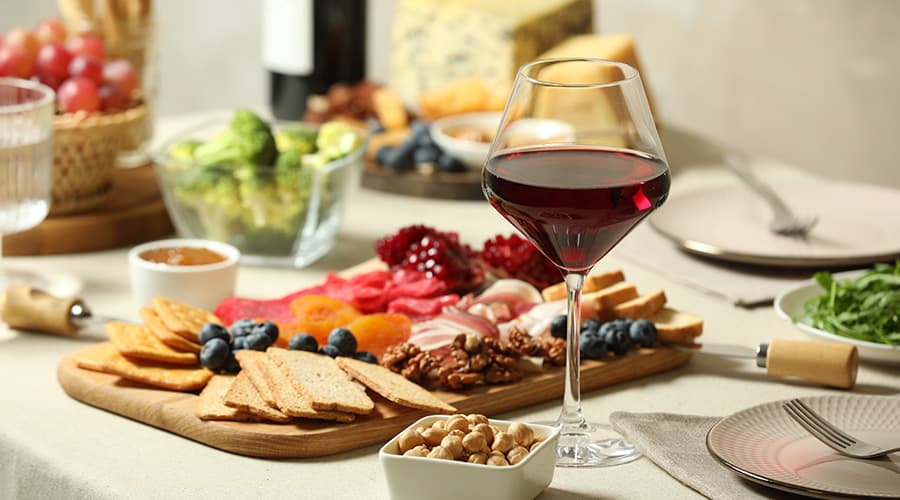
Nothing says “this evening is special” quite like the pop of a cork and the cascade of tiny bubbles into a glass. Sparkling wine is the ideal Valentine’s aperitif because it’s inherently festive, incredibly food-friendly, and its acidity cleanses the palate between bites—keeping your taste buds fresh and eager for what’s next.
For your appetizers, match the sparkling style to the dish:
- Champagne Brut – Pair with fresh oysters, smoked salmon canapés, or caviar blini. The high acidity and mineral character of champagne enhances the briny sweetness of shellfish and cuts through rich, fatty fish.
- Prosecco – Perfect for bruschetta with tomato and fresh basil, caprese skewers, or margherita flatbread. Its gentle fruitiness and lighter body complement Mediterranean flavors without overwhelming delicate ingredients
- Dry sparkling rosé – Excellent with shrimp cocktail, goat cheese crostini, or prosciutto-wrapped melon. Crémant d’Alsace rosé or a quality sparkling rosé from California adds a romantic pink hue while its berry notes echo fruit-forward appetizers
Serving sparkling wine correctly takes thirty seconds but makes a noticeable difference. Chill your bottle to around 40–45°F (4–7°C)—about two hours in the refrigerator or 30 minutes in an ice bucket. Open the bottle in front of your partner (the ritual is half the romance), and pour into flutes or white wine glasses, which allow the bubbles and aromas to shine.
Seafood Romance: Whites and Rosés with Light Mains
Seafood dishes are Valentine’s favorites for good reason: they feel luxurious and elegant without weighing you down, leaving plenty of room for dessert and conversation. White wine and rosé are natural partners here, their acidity and freshness complementing the delicate flavors of fish and shellfish.
Seared scallops with lemon butter or served over a lemon risotto call for a crisp white wine with enough acidity to cut through the richness. Reach for a mineral-driven Sauvignon Blanc from Sancerre in France’s Loire Valley or a zesty example from Marlborough, New Zealand. The citrus notes in the wine echo the lemon in the dish, creating a seamless pairing that feels intentional and refined.
Lobster tail with butter—or lobster linguine in cream sauce—demands something with more body to match its richness. This is where oaked Chardonnay shines. Look for bottles from Napa Valley or white Burgundy, where barrel aging adds butter and vanilla notes that mirror the melted butter and luxurious texture of lobster meat. The wine’s acidity prevents the dish from feeling too heavy on the palate.
Herb-crusted salmon or salmon en papillote works beautifully with richer Chardonnay, but if you prefer something lighter, a dry rosé from Provence offers elegance without weight. The salmon’s natural oils can handle wines with a bit more structure than most white fish.
Garlic butter shrimp, grilled branzino, or pan-seared sea bass pair wonderfully with Pinot Grigio from Alto Adige or Vermentino from Sardinia. These wines have enough body to stand up to garlic and butter while remaining refreshing and clean.
A couple of quick tips: chill your whites to 45–50°F (7–10°C) for optimal flavor expression, and avoid heavily oaked wines with very delicate fish like sole or halibut—the oak can overpower the subtle sweetness of the seafood.
Steak & Red Wine: Classic Valentine’s Steakhouse Pairings
For many couples, nothing says Valentine’s dinner quite like a perfectly cooked steak paired with a bold red wine. There’s science behind this classic combination: the proteins and fats in beef bind with tannins in red wine, softening the wine’s astringency and making both the food and drink taste better together. It’s a match made in culinary heaven.
Here are the pairings that work for specific cuts:
- Filet mignon with mushroom sauce or red wine reduction – This tender, leaner cut calls for elegant rather than overpowering wine. Choose Pinot Noir from Oregon’s Willamette Valley or red Burgundy. The wine’s forest floor earthiness complements mushrooms while its silky texture matches the buttery tenderness of filet
- Ribeye with herb butter – The marbling in ribeye needs a wine with structure to cut through the fat. Full-bodied Cabernet Sauvignon from Napa Valley or a Bordeaux blend brings dark fruit, firm tannins, and enough power to stand up to this rich cut
- New York strip with peppercorn sauce – The peppery crust finds its mirror in Syrah from Northern Rhône or Shiraz from Australia’s Barossa Valley. These wines naturally show black pepper and smoky notes that amplify the dish’s flavors
- Grilled flank or skirt steak with chimichurri – The herbaceous, garlicky sauce pairs brilliantly with Malbec from Mendoza, Argentina, or Tempranillo from Rioja. These wines have enough fruit to balance the bright acidity of the chimichurri
If one partner finds big reds too heavy, consider Beaujolais Cru or Chianti Classico. These medium-bodied reds work surprisingly well with medium-rare steak, especially when served alongside roasted vegetables that bridge the flavors.
Pasta, Risotto & Roast Chicken: Comforting Classics with Versatile Wines
Sometimes the most romantic Valentine’s evening is a cozy night in with comfort food that warms the soul. Pasta, risotto, and roast chicken are perfect for this approach—they’re satisfying without being fussy, and they pair beautifully with wines you might already have on hand.
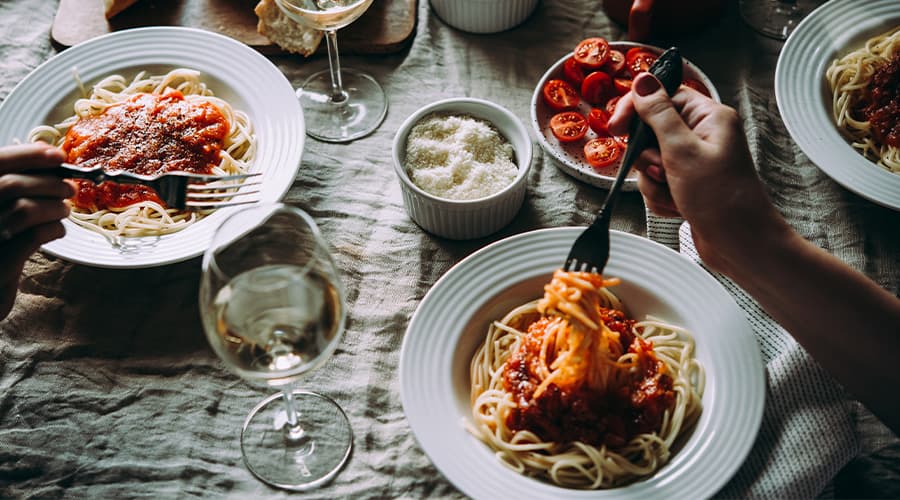
The key to pasta pairing is matching the wine to the sauce, not the pasta shape. Here’s how to navigate the most popular options:
Creamy Alfredo or truffle pasta needs a wine with enough richness to complement the cream sauce without being washed out. Lightly oaked Chardonnay works beautifully here, as do richer Italian whites like Soave Classico. The wine’s subtle butter notes and balanced acidity keep the dish from feeling too heavy.
Tomato-basil marinara or penne arrabbiata demands a wine that can match the sauce’s acidity. Sangiovese from Chianti is the textbook pairing—its high natural acidity and red cherry flavors echo tomato’s tang perfectly. Montepulciano d’Abruzzo or Barbera are excellent alternatives with similar food-friendly profiles.
Mushroom risotto calls for earthy wines that complement the dish’s umami depth. Pinot Noir from cooler climates excels here, its subtle forest floor notes harmonizing with the mushrooms. A medium-bodied Merlot from Washington State also works, offering plush fruit and soft tannins.
Pesto pasta or herb-roast chicken with lemon and garlic needs something bright and herbaceous. A 2022 or 2023 Sauvignon Blanc from the Loire Valley or Marlborough, New Zealand, matches the basil and olive oil notes while its acidity cuts through any richness.
Roast chicken deserves special mention as perhaps the most flexible main course for couples with different wine preferences. It works equally well with Chardonnay (for the partner who loves white) and Pinot Noir (for the red wine lover). Order both, and everyone wins.
Vegetarian & Vegan Valentine’s Mains with Wine
A meat-free Valentine’s dinner can be every bit as decadent and romantic as steak or seafood—and wine pairing is just as important. Plant-based dishes often feature earthy, umami-rich flavors that call for wines with good acidity and herbal complexity.
Wild mushroom and thyme risotto is a vegetarian showstopper that deserves an equally impressive wine. Earth-driven Pinot Noir from Burgundy or Oregon brings forest floor notes that echo the mushrooms’ depth. Look for bottles with a few years of age, as the wine’s developed complexity enhances the dish’s richness.
Eggplant Parmesan or baked ziti with marinara follows the same principles as meat-based tomato dishes: you need acidity to match the sauce. Sangiovese from Chianti Classico is the natural choice, but Nero d’Avola from Sicily offers a fun alternative with its ripe dark fruit and Mediterranean character.
Roasted vegetable tart or caramelized onion galette features sweet, concentrated vegetable flavors that pair beautifully with dry rosé from Provence. The wine’s subtle fruitiness complements the caramelized edges while its crispness prevents the dish from feeling too rich. Grenache-based blends from the Rhône work similarly well.
Vegan lentil and walnut “meatballs” with tomato sauce need a wine with enough body to handle the protein-rich lentils. Medium-bodied Merlot or Rioja Crianza provides the structure without overwhelming plant-based flavors.
For grilled vegetables and plant-based burgers, don’t shy away from bolder reds. Fruity Zinfandel or Argentine Malbec brings enough character to stand up to char and smoky flavors while remaining approachable and fun.

Chocolate, Berries & Beyond: Sweet Endings with Dessert Wines
Dessert is where many Valentine’s wine pairings go wrong—but it’s also where getting it right creates the most memorable final impression. The golden rule is simple: your dessert wine should be at least as sweet as (ideally sweeter than) the dessert itself. Otherwise, the wine tastes thin and sour in comparison.
Here’s how to match delicious dishes to their ideal sweet wine partners:
Dark chocolate fondant or flourless chocolate cake presents a challenge because chocolate’s bitterness can clash with tannins. Ruby Port or Late Bottled Vintage Port from Portugal is the classic solution—its intense sweetness, dark berry fruit, and chocolate-coffee notes create harmony rather than conflict. For chocolate lovers seeking something different, Banyuls from southern France offers similar richness with a Grenache-based twist.
Milk chocolate truffles or Nutella crêpes are softer and sweeter than dark chocolate, opening up different pairing possibilities. Tawny Port works beautifully, as does Zinfandel with some residual sweetness. Moscato’s light, floral character also complements milk chocolate’s creaminess without overwhelming it.
Chocolate covered strawberries—perhaps the ultimate Valentine’s classic—shine with sparkling rosé or the Italian treasure Brachetto d’Acqui from Piedmont. The wine’s delicate strawberry notes and gentle fizz create a playful echo with the fresh fruit while providing enough sweetness to balance the chocolate.
Vanilla panna cotta or cheesecake with berry compote calls for off-dry Riesling. A Spätlese from Germany’s Mosel region offers perfect balance—enough sweetness to match the dessert, enough acidity to cleanse the palate, and stone fruit flavors that complement vanilla and berries. Moscato d’Asti is a lighter, lower-alcohol alternative.
Crème brûlée or salted caramel tart finds its match in Sauternes or other botrytized dessert wines. These golden elixirs bring honey, apricot, and caramel notes that amplify the dessert’s richness while their acidity prevents cloying sweetness.
Serve dessert wines in smaller pours—about two ounces per person—in white wine or dedicated dessert glasses. Chill lightly to 45–55°F (7–13°C) depending on the style; sweeter wines generally benefit from cooler temperatures.
Non-Alcoholic Pairings for an Inclusive Valentine’s Table
Not every couple includes alcohol in their celebration, but everyone deserves a special food and wine-style experience. Whether you’re avoiding alcohol, driving, pregnant, or simply prefer to skip the sip, thoughtful non-alcoholic pairings can feel just as romantic and intentional.
For appetizers and seafood, alcohol-free sparkling wine or high-quality sparkling grape juice provides the festive bubbles and crisp acidity that complement light dishes. Look for brands that emphasize dryness rather than sweetness—they’ll feel more sophisticated and food-friendly. Herbal iced teas, particularly jasmine or hibiscus, offer aromatic complexity that elevates lighter mains, while sparkling water with citrus twists provides palate-cleansing refreshment.
For steak or mushroom dishes that traditionally call for bold red wine, dealcoholized Cabernet or Merlot blends have improved dramatically in recent years. They offer familiar grape flavors and some tannic structure without the alcohol. Pair them with the same confidence you’d show with traditional wine.
Dessert presents delicious options: rich hot chocolate alongside chocolate cake creates a decadent echo, while berry-infused sparkling water or decaf espresso provides sophisticated contrast to sweet endings.
The key to non-alcoholic pairing success is presentation. Use the same elegant glassware you’d use for wine, add fresh garnishes like berries, lemon twists, or mint sprigs, and pour with the same ceremony. Romance lives in these details.
Simple Serving Tips: Temperatures, Glasses & Timing
Small details separate a fun evening from an unforgettable one. Getting temperature, glassware, and timing right takes minimal effort but creates restaurant-level polish that will impress your partner.
Temperature matters more than most people realize. Sparkling wines should be well-chilled to 40–45°F (4–7°C)—this preserves the bubbles and keeps the wine refreshing. Whites and rosés perform best at 45–50°F (7–10°C), cold enough to be crisp but warm enough to express their aromas. Light reds like Pinot Noir and Gamay benefit from a slight chill at 55–60°F (13–16°C), which keeps their fruit bright. Full-bodied reds like Cabernet Sauvignon and Syrah should be served at 60–65°F (16–18°C)—what wine professionals call “cellar temperature,” which is actually cooler than most room temperatures.
Glassware basics are straightforward: use flutes or white wine glasses for sparkling (both work, despite what purists say), smaller-bowled glasses for whites that concentrate delicate aromas, and larger-bowled glasses for reds that need room to breathe and open up.
For timing, think about building the evening like a story. Start with bubbles and appetizers during your first toast and light conversation. Transition to whites or rosé as you move into seafood or lighter courses—this keeps energy high and palates engaged. Bring out the reds with heartier mains like steak or rich pasta, allowing the wine to develop as the meal deepens. Close with dessert wine (or coffee) as you linger over chocolate and conversation, savoring special moments together.
Creating Your Own Valentine’s Wine Menu
You now have all the tools to design a personalized Valentine’s dinner that reflects your unique relationship. The fun part is mixing and matching from the sections above to create lasting memories with your loved one.
Start by choosing your main course—this anchors the entire menu. If you’re going with grilled steak, you know you need a bold red. Seafood dishes point toward crisp whites. Pasta or vegetarian mains offer flexibility that can swing either direction based on your preferences.
Next, select your wines using the “one of each” approach: one sparkling for the toast and appetizers, one white or rosé for lighter moments, and one red or dessert wine to close the evening. This simple trio covers most menus without overwhelming your planning or your palate.
Consider your partner’s preferences honestly. If they always gravitate toward sweeter wines, don’t force a bone-dry Chablis because it’s technically “correct” for oysters. The perfect balance in wine pairing isn’t just about flavor chemistry—it’s about choosing bottles you’ll both enjoy.
Here’s a challenge: try at least one “new to you” bottle this Valentine’s Day. If you always drink Chardonnay, explore a Sauvignon Blanc from Sancerre. If Cabernet is your standby, give a Northern Rhône Syrah a chance. Discovery is romantic, and you might find a new favorite together.
Finally, add personal touches that transform dinner into an ideal choice for celebrating love. Hand-write a simple menu card listing the dishes and wines with their regions. Light candles, put on music that means something to you both, and most importantly—be present.
The truth about wine pairings is that the “perfect pairing” is simply the one you share with someone you love. Don’t stress about getting every detail right. Pour generously, taste everything together, and let the evening unfold naturally. That’s what romance is really about—home creating memories, one glass at a time.