
What Are Bitters: The Ultimate Guide to Cocktail’s Secret Weapon
Estimated Reading Time: 17 Minutes
A few drops can transform an ordinary drink into something extraordinary. Most cocktail enthusiasts have heard of bitters, but few truly understand what makes this mysterious ingredient so essential to great mixology. Whether you’re watching a bartender add a dash to your Old Fashioned or wondering about those small bottles behind the bar, bitters represent one of cocktail culture’s most fascinating and fundamental components.
Originally developed as medicinal tonics in the 1700s, bitters evolved from health remedies into the backbone of classic cocktails. Today, they function as the “spice rack” of the bar world, adding complexity, balance, and depth to drinks in ways that few other ingredients can match.
In the blog today, you’ll discover everything you need to know about bitters - from their botanical origins and production methods to practical usage tips and modern applications. Whether you’re building your first home bar or looking to deepen your cocktail knowledge, understanding bitters will transform how you think about drinks.
What Are Bitters Exactly?
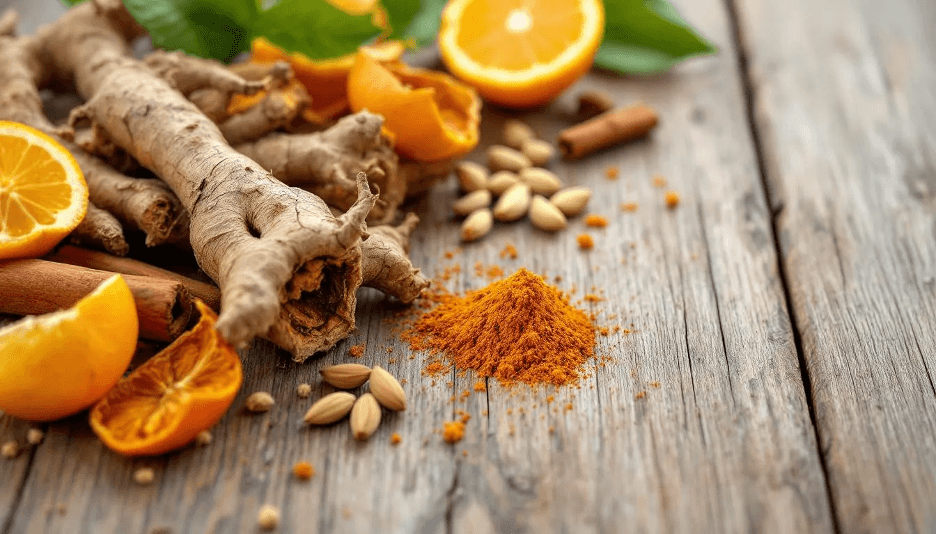
Bitters are highly concentrated botanical extracts created by infusing a carefully selected blend of bittering agents, aromatics, and citrus peels in a solvent - traditionally high-proof ethanol, though modern formulations may use vegetable glycerin for alcohol free bitters. Think of them as liquid seasoning for cocktails, much like vanilla extract functions in baking or how baking spices enhance food.
These potent flavor concentrates contain 35-45% alcohol content in the bottle, but their magic lies in how little you need. Just a few dashes - roughly 0.6 to 1 mL - can completely transform a drink’s flavor profile without adding significant alcohol to the final beverage. When diluted in a standard cocktail, bitters typically contribute less than 0.5% to the drink’s overall alcohol content.
The primary function of cocktail bitters extends beyond simply making things taste bitter. They engage your taste buds across multiple flavor dimensions, adding aromatic complexity that helps balance sweetness and acidity. In classic cocktail construction, where drinks typically feature sweet and sour components, bitters provide the essential bitter element that creates a more complete flavor profile.
Unlike bitter liqueurs or digestive bitters consumed in larger quantities, cocktail bitters serve as concentrated flavoring agents. A single dash delivers intense botanical complexity derived from ingredients like gentian root, cinchona bark, orange peel, and various spices, all concentrated through weeks of careful extraction.
How Are Bitters Made?
The production of bitters relies on a process called cold maceration, where botanical ingredients are submerged in a neutral alcohol base or vegetable glycerin to extract flavor compounds. This method, refined over centuries, allows producers to capture both the water-soluble and alcohol-soluble compounds that create bitters’ complex flavor profiles.
The Infusion Process
Commercial and homemade bitters follow similar principles. Producers start with a base of high-proof neutral grain spirit, typically around 150-190 proof, which serves dual purposes as both an efficient extraction medium and a natural preservative. The high alcohol content can extract a wide spectrum of compounds from the botanical ingredients while ensuring the finished product remains shelf-stable for years.
The botanical selection forms the heart of any bitters recipe. Most formulations include at least one primary bittering agent - gentian root being the most common due to its clean, intense bitterness. Other bittering agents include cinchona bark, quassia bark, dandelion root, wormwood, and angelica root, each contributing different bitter characteristics.
Aromatic components add complexity and character. Common ingredients include orange peel and other citrus peels, cassia (Chinese cinnamon), cloves, coriander, cardamom, chamomile, and various tree bark specimens. These botanicals create the layered flavor profile that makes each bitters unique.
Production Timeline and Techniques
The maceration process typically spans multiple weeks, with some producers extending extraction periods to several months. Daily agitation helps maximize compound extraction, ensuring the alcohol penetrates the plant materials thoroughly. Professional producers often employ staged extraction methods, separating hard botanicals like roots and bark from delicate materials like citrus peels and flowers to prevent over-extraction of harsh tannins.
Temperature control plays a crucial role throughout the process. Cold maceration preserves delicate volatile compounds that might be damaged by heat, resulting in more nuanced final products. After the extraction period, producers strain the mixture, often multiple times, before proofing down to the desired alcohol content and bottling.
For alcohol free alternatives, glycerin-based production follows similar principles but with important modifications. Vegetable glycerin extracts different compound spectra and contributes mild sweetness and viscosity. Producers often add water and acidifiers like apple cider vinegar to balance the extraction and achieve intensity comparable to traditional methods.
Types of Bitters
The world of bitters encompasses several distinct categories, each designed to contribute specific flavor characteristics to cocktails and other beverages. Understanding these categories helps you select the right bitters for different applications and flavor goals.
Aromatic Bitters
Aromatic bitters represent the largest and most traditional category, built around warm, spice-forward profiles that complement a wide range of spirits. These typically feature gentian root as the primary bittering agent, supported by a complex blend of baking spices like cinnamon, clove, nutmeg, and allspice.
Angostura Aromatic Bitters serves as the archetype for this category. Its distinctive blend works exceptionally well with whiskey, rum, and brandy, making it indispensable for classic cocktails. The warm spice character enhances barrel-aged spirits by reinforcing similar flavor notes developed during maturation.
Citrus Bitters
Citrus bitters focus on bright, zesty characteristics derived primarily from citrus peels. Orange bitters dominate this category, offering sharp, aromatic lift that brightens cocktails and provides excellent contrast to rich or sweet elements. Lemon, grapefruit, and lime varieties expand the citrus spectrum, each bringing unique characteristics to different drink styles.
These bitters work particularly well in gin-based cocktails, where they complement botanical complexity, and in drinks requiring aromatic enhancement without adding weight. The essential oils from citrus peels create immediate aromatic impact while the bitter base provides underlying structure.
Herbal Bitters
Herbal bitters emphasize prominent herbs and green botanicals, creating highly varied aromatic profiles depending on the specific plants used. Common herbs include tarragon, thyme, lavender, mint, and sage, often combined with other botanicals to create complex, garden-fresh characteristics.
These specialty expressions work well in contemporary cocktails where herbaceous notes complement specific spirits or seasonal ingredients. They’re particularly effective in drinks featuring fresh herbs or when trying to add complexity without overwhelming delicate base spirits.
Spice and Specialty Bitters
Modern bitters production has expanded into numerous specialty categories, including warming spice blends emphasizing cinnamon, allspice, and coriander, as well as novelty flavors like chocolate, coffee, and even savory options inspired by barbecue or hot peppers. These specialized expressions cater to specific pairing opportunities in contemporary mixology.
Bean and nut bitters might feature cacao or coffee alongside traditional botanical ingredients, creating rich, dessert-like characteristics perfect for rum or whiskey cocktails. More adventurous producers offer sriracha-inspired or smoke-influenced bitters for bartenders seeking unique flavor combinations.
The Holy Trinity of Bitters
Three bitters stand above all others in terms of historical significance, versatility, and essential status in classic cocktail construction. Together, they form what many consider the foundational collection for any serious bar program.
Angostura Bitters
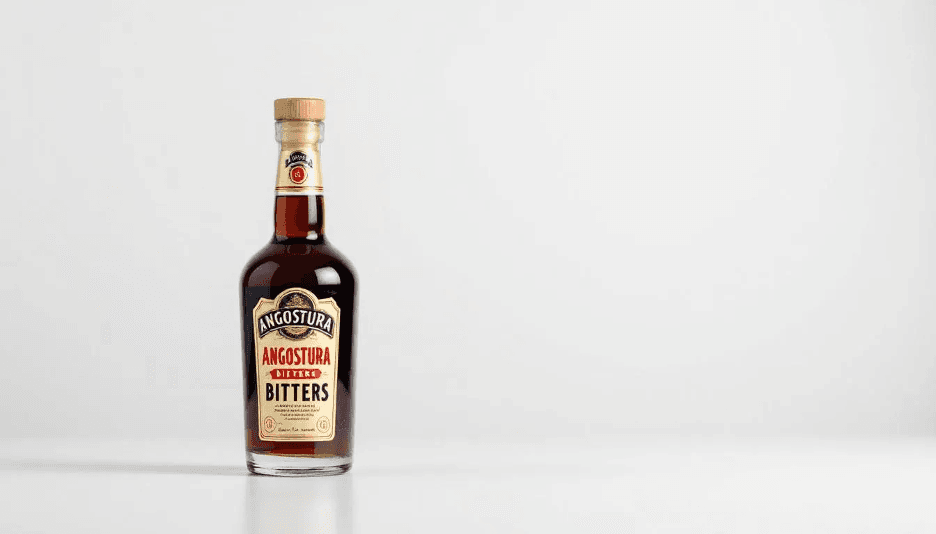
Angostura Bitters originated in 1824, credited to Dr. Johann Siegert in Venezuela, initially formulated as a medicinal tonic before evolving into the world’s most ubiquitous aromatic bitters. Its complex, warm spice-centric profile works across virtually every major spirit category, making it incredibly versatile for both classic and contemporary cocktails.
The distinctive oversized label became a trademark partly by accident, but the liquid inside represents centuries of refined botanical blending. Angostura’s formula remains closely guarded, but its characteristic warmth comes from a blend of gentian root, various tree bark, and aromatic spices that create its signature flavor profile.
Peychaud’s Bitters
Peychaud’s Bitters carries deep New Orleans heritage and presents a lighter, more delicate profile compared to Angostura. Its distinctive anise and red-fruit characteristics, with subtle cherry nuances, make it essential for the Sazerac cocktail, where it defines the drink’s signature aromatic character.
Beyond its role in the Sazerac, Peychaud’s lighter touch works well in rye whiskey cocktails and drinks where you want aromatic complexity without overwhelming the base spirit. Its unique flavor profile offers an excellent alternative to Angostura in many classic recipes.
Orange Bitters
Orange bitters experienced a fascinating renaissance during the craft cocktail revival of the 1990s after nearly disappearing during the mid-20th century cocktail decline. Today, they’re considered essential for martinis, gin-based cocktails, and numerous modern classics that require bright, citrusy lift.
The category encompasses various producers, each offering slightly different interpretations of orange character. Some emphasize sweet orange notes, while others focus on bitter orange or combine multiple citrus varieties for complexity. Regardless of brand, orange bitters provide aromatic enhancement that can transform simple drinks into complex experiences.
How to Use Bitters in Cocktails
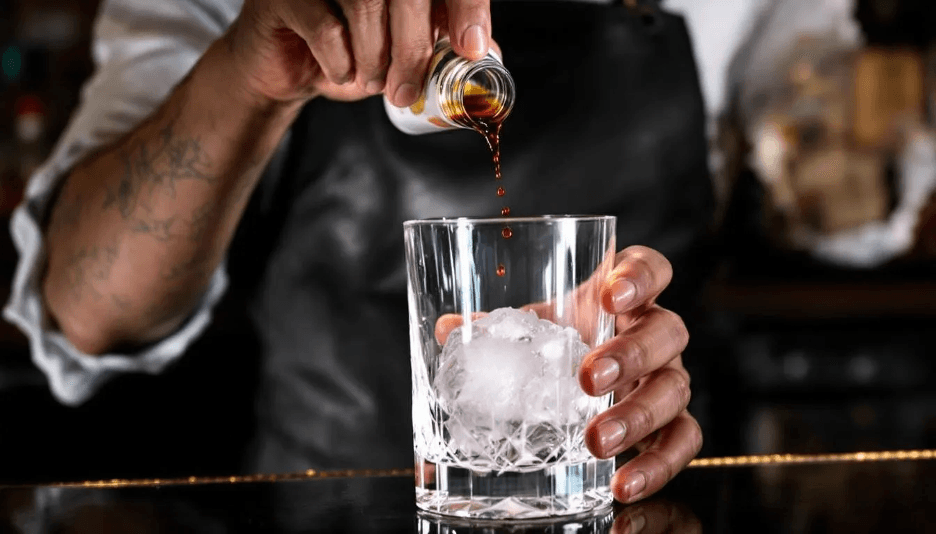
Understanding proper bitters usage transforms good cocktails into great ones. The key lies in measurement precision, technique consistency, and knowing how different bitters interact with various spirits and cocktail styles.
Measurement and Technique
Professional bartenders measure bitters in “dashes” dispensed from dasher-top bottles. While not perfectly standardized, a dash typically equals roughly 0.6 to 1.0 mL, depending on bottle design, technique, and ambient temperature. Most classic cocktail recipes calling for “two dashes” expect approximately 1.5 to 2 mL total.
Proper dashing technique involves quick, firm wrist motions that ensure consistent volume delivery. Testing your specific bottles with water and measuring tools helps calibrate your technique for recipe consistency. Many professional bars weigh bitters during recipe development, then translate measurements back to dashes for service consistency.
Essential Classic Cocktails
Several classic cocktails require bitters as fundamental components rather than optional enhancements. The Old Fashioned builds entirely around the interaction between whiskey, sugar, and aromatic bitters, with Angostura being the traditional choice. Manhattan cocktails similarly depend on bitters to balance the sweet vermouth and whiskey base.
The Sazerac specifically requires Peychaud’s bitters, which defines the cocktail’s distinctive character. Champagne Cocktails use bitters-soaked sugar cubes that gradually release flavor as the drink is consumed. In each case, bitters serve structural rather than merely decorative roles.
If you’re new to using bitters in cocktails, the Black Walnut Old Fashioned is the perfect place to start. It takes a classic you might already know—the Old Fashioned—and adds a subtle twist with black walnut bitters. These bitters bring a warm, nutty richness that balances beautifully with the sweetness of bourbon and sugar, making the drink feel both familiar and elevated. It’s simple to make, doesn’t require fancy tools, and is a great way to see how just a few dashes of bitters can completely transform a cocktail.
Black Walnut Old Fashioned
Recipe:
- 2 oz bourbon
- ¼ oz demerara syrup (or simple syrup)
- 2 dashes black walnut bitters
- Orange peel (for garnish)
Method: In a mixing glass, combine bourbon, syrup, and bitters with ice. Stir until well chilled, then strain into a rocks glass over a large ice cube. Express an orange peel over the top and drop it in for garnish.
Strategic Selection and Pairing
Choosing appropriate bitters involves understanding how they interact with existing cocktail flavors. Orange bitters work exceptionally well with gin-based drinks, where citrus notes complement botanical complexity. Aromatic bitters enhance whiskey cocktails by reinforcing barrel-derived vanilla and spice characteristics.
Consider whether you want bitters to reinforce existing flavors or provide contrast. Spice-forward bitters might enhance rum cocktails with similar warm characteristics, while citrus bitters could brighten rich, spirit-forward drinks that need aromatic lift.
Beyond Traditional Cocktails
Modern bartenders incorporate bitters into various applications beyond classic cocktails. A few dashes can enhance beer, adding aromatic complexity to simple lagers or complementing hop bitterness in IPAs. Coffee and tea benefit from small amounts of orange or spice bitters, which add complexity without sweetness.
Even simple highballs like vodka soda transform with the addition of bitters, gaining aromatic interest and flavor depth. The key principle remains consistent: use bitters to add complexity and balance while respecting the base ingredients.
Bitters in Non-Alcoholic Drinks
Despite their high alcohol content in the bottle, traditional bitters contribute minimal alcohol to finished beverages when used properly. Understanding this distinction helps address concerns about alcohol consumption while appreciating bitters’ role in zero-proof and low-alcohol drinks.
Alcohol Content in Practice
When you add a few dashes of bitters to a standard cocktail, the resulting alcohol contribution typically remains well below 0.5% ABV in the finished drink. For example, 2 mL of bitters at 44% ABV added to a 150 mL beverage contributes approximately 0.6 grams of ethanol, increasing the drink’s ABV by roughly 0.4% absolute.
This minimal contribution means that for most people, bitters pose no practical alcohol concerns in normal usage. However, individuals in recovery or those strictly avoiding alcohol for religious or health reasons may prefer alcohol free bitters or careful consideration of their comfort levels.
Bitters and Soda
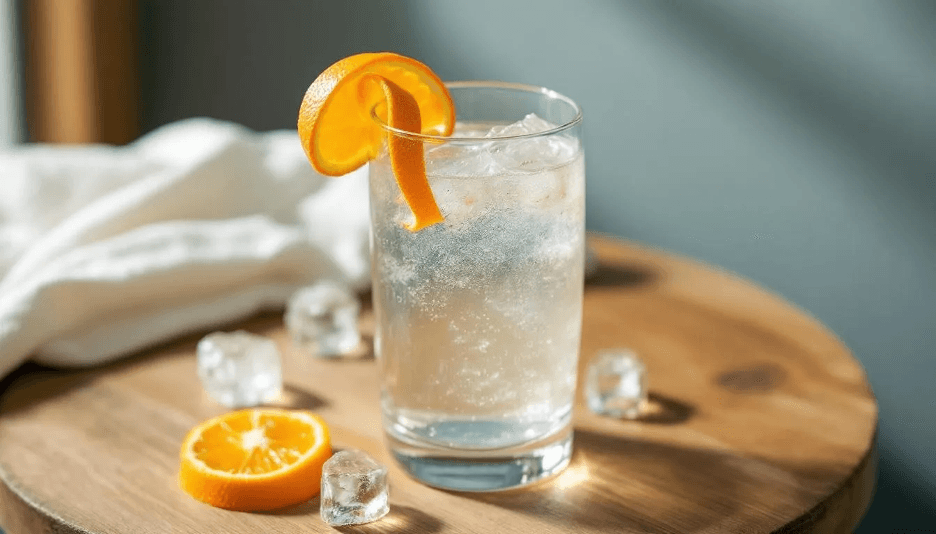
One of the most popular zero-proof applications involves adding a few dashes of bitters to club soda, creating a refreshing, aromatic drink that functions as an aperitif or digestif alternative. This simple combination showcases bitters’ aromatic complexity while remaining essentially non alcoholic.
The effervescence of soda helps carry aromatic compounds, making bitters and soda an excellent introduction to bitters appreciation. Different bitters create entirely different experiences - orange bitters provide bright, citrusy refreshment, while aromatic bitters offer warm, spice-forward character.
Mocktail Applications
Modern mocktail development increasingly incorporates bitters to add complexity and depth to alcohol-free drinks. Just as in traditional cocktails, bitters help balance sweet and sour elements while contributing aromatic layers that make non alcoholic drink options more sophisticated.
Bitters work particularly well in fruit-based mocktails, where they can add depth without competing with fresh flavors. They also enhance simple syrup-based drinks, providing the complexity that alcohol might otherwise contribute.
Non-Alcoholic Bitters Options
For those seeking to avoid alcohol entirely, the market now offers genuine alcohol free bitters that maintain flavor complexity through alternative extraction methods and carefully formulated ingredient combinations.
Glycerin-Based Production
Alcohol free bitters substitute vegetable glycerin for ethanol as the primary solvent. Glycerin extracts different compound spectra compared to alcohol and contributes mild sweetness and increased viscosity to the final product. To achieve intensity comparable to traditional bitters, producers often incorporate stronger bittering agents and add acidifiers like apple cider vinegar to balance the extraction.
The glycerin-based approach preserves many aromatic compounds while eliminating ethanol entirely. However, the extraction efficiency differs from alcohol-based methods, requiring formula adjustments to achieve comparable flavor impact.
Commercial Options and Considerations
Several reputable producers now offer completely alcohol free bitters designed specifically for those avoiding alcohol. These products undergo careful formulation to achieve flavor complexity without ethanol’s solvent power, often combining glycerin with water and natural acids.
When shopping for non alcoholic bitters, careful label reading remains important. Some products marketed as “cordials” or “aromatic flavorings” may contain trace amounts of alcohol, while others achieve truly alcohol-free status through glycerin-based extraction.
DIY Alcohol-Free Approaches
Home producers can create alcohol free bitters using similar botanical ingredients with glycerin as the base solvent. The process follows the same maceration principles, though extraction times may vary due to glycerin’s different solvent properties. Adding water and acid helps balance the final product’s structure and intensity.
Many enthusiasts find success combining glycerin with small amounts of apple cider vinegar and water, creating a neutral alcohol base that effectively extracts botanical compounds while maintaining shelf stability.
The History of Bitters
The fascinating evolution of bitters from medicinal tonics to cocktail essentials reflects broader changes in drinking culture, medical understanding, and culinary sophistication over the past three centuries.
Origins as Medicine
Bitters originated in the 18th and 19th centuries as patent medicines and medicinal tonics, formulated with botanical ingredients believed to aid digestion and address various health concerns. Traveling salesmen and entrepreneurial doctors marketed these concentrated tinctures as cure-alls, often incorporating exotic botanicals and impressive-sounding medicinal claims.
Many enduring brands emerged from this medicinal context, including Angostura, which began as Dr. Siegert’s digestive tonic for Venezuelan soldiers. The concentrated botanical formulations that made these products effective as flavor enhancers developed from their original therapeutic intentions.
Transition to Cocktails
The earliest formal definition of a cocktail, published in an American periodical in 1806, explicitly included bitters alongside spirits, sugar, and water. This foundational definition cemented bitters’ essential status in mixed drinks from the very beginning of documented cocktail culture.
Through the late 19th century, bitters remained fundamental to bar practice. Bartending guides from the period list dozens of bitters varieties, many produced by local pharmacists or small-scale manufacturers. The diversity and availability of bitters during this golden age far exceeded what most modern drinkers experience.
Decline and Revival
The mid-20th century brought significant decline in bitters usage and availability. Changing cocktail preferences, Prohibition’s impact on drinking culture, and the rise of simpler mixed drinks reduced demand for complex flavoring ingredients. Many historic brands disappeared entirely, while others survived in limited markets.
The craft cocktail renaissance beginning in the 1990s restored bitters to their essential status. Orange bitters’ dramatic revival exemplifies this trend - nearly extinct by the 1970s, multiple producers now offer versions, and they’re considered indispensable for modern cocktail programs. This revival sparked innovation in new flavor categories while renewing appreciation for classic expressions.
Health Benefits of Bitters
While modern cocktail bitters serve primarily as flavoring agents, their botanical origins connect to traditional wellness practices that continue to influence contemporary understanding of bitters’ potential health effects.
Digestive Support
Traditional herbal medicine attributes digestive benefits to bitter compounds, suggesting they stimulate saliva production and digestive juices that may support appetite and nutrient absorption. Many botanical ingredients commonly found in bitters - including gentian root, dandelion, and various tree bark - have long histories of use in digestive remedies.
Contemporary research supports some traditional claims about bitter compounds’ effects on digestive function. However, the minute quantities used in cocktail applications make any significant physiological impact unlikely compared to dedicated digestive preparations consumed in larger volumes.
Distinction from Digestive Bitters
Educational sources distinguish between “digestive bitters” intended for wellness applications and “cocktail bitters” used purely for flavoring. Digestive bitters are typically consumed in larger quantities as aperitifs or after-meal tonics, while cocktail bitters function as concentrated seasonings measured in drops and dashes.
Some modern producers reference traditional wellness applications in their marketing, including botanicals like yellow dock and dandelion while referencing liver-supportive traditions. However, such claims should be evaluated carefully and never considered substitutes for evidence-based medical care.
Modern Context and Limitations
When used in typical cocktail applications, bitters’ health impact remains minimal due to the tiny serving sizes involved. Any wellness effects from a few dashes in a drink are likely negligible compared to dedicated herbal preparations designed for therapeutic use.
Contemporary bitters appreciation focuses appropriately on flavor enhancement and cocktail construction rather than health benefits. While the botanical complexity of quality bitters connects to centuries of herbal knowledge, their primary value in modern contexts lies in their remarkable ability to transform and enhance beverages.
Your Bitters Collection
Building a well-rounded bitters collection requires understanding where to find quality products and how to prioritize your purchases for maximum versatility and value.
Building Your Collection
For those starting their bitters journey, most experts recommend beginning with the “holy trinity” - Angostura Aromatic and Peychaud’s bitters cover the vast majority of classic cocktail recipes. Adding orange bitters as a third bottle dramatically expands your cocktail capabilities, particularly for gin-based drinks and modern classics.
From this foundation, expansion depends on your drinking preferences and curiosity level. Specialty expressions should target specific gaps in your flavor preferences or cocktail repertoire rather than simply accumulating bottles. Quality over quantity provides better results for most home bartenders.
Storage and Longevity
Proper storage maximizes bitters’ lifespan and maintains their quality over time. High-proof, low-sugar formulations mean alcohol-based bitters remain stable for years when stored properly. Keep bottles sealed, away from direct sunlight, and at consistent temperatures for optimal preservation.
The alcohol content in traditional bitters provides natural preservation, making them among the most shelf-stable bar ingredients. Unlike many spirits, bitters don’t require refrigeration and actually benefit from room temperature storage that keeps their oils properly integrated.
Conclusion
Understanding what are bitters opens the door to appreciating one of cocktail culture’s most essential yet mysterious ingredients. From their origins as 18th-century medicinal tonics to their modern status as indispensable flavor enhancers, bitters represent centuries of botanical knowledge concentrated into small bottles of liquid complexity.
Whether you’re crafting classic cocktails that depend on aromatic bitters for their signature character, experimenting with citrus bitters to brighten contemporary creations, or exploring alcohol free alternatives for inclusive entertaining, bitters offer unmatched versatility and depth. Their ability to transform simple combinations of spirits, sugar, and citrus into complex, balanced cocktails makes them truly cocktail’s secret weapon.
FAQ
No, in finished cocktails, bitters contribute balance and aromatic complexity rather than overt bitterness. When properly used with sugar and acid in classic formulas, they enhance rather than dominate the flavor profile.
Not through normal cocktail use. While bottled at high ABV, the few drops used in drinks contribute minimal alcohol to the final beverage. However, consuming bitters straight or in large quantities would deliver significant alcohol.
Most traditional cocktail bitters contain alcohol, typically 35-45% ABV. However, modern glycerin based bitters provide alcohol free alternatives for those avoiding ethanol completely.
Alcohol-based bitters remain shelf-stable for years when stored properly away from sunlight and heat. The high alcohol content acts as a natural preservative, making them among the longest-lasting bar ingredients.
Yes, DIY bitters involve macerating bittering agents and aromatics in high-proof alcohol or glycerin over multiple weeks with regular agitation. Staged extractions help control the process and prevent over-extraction.
A dash dispensed from a dasher-top bottle measures substantially larger than a drop - roughly 0.6-1 mL versus a small drop. Bottle design and technique affect volume, so calibrating your specific equipment improves consistency.
Bitters are highly concentrated infusions of herbs, spices, fruits, roots, and botanicals in alcohol. They act as a flavor enhancer, adding complexity to drinks and dishes.
They’re named for their bitter and aromatic flavor profile, which comes from bittering agents like gentian root, quassia, or wormwood.
- Aromatic bitters (e.g., Angostura, Peychaud’s)
- Citrus bitters (orange, grapefruit, lemon)
- Herbal & spice bitters (cardamom, cinnamon, anise)
- Flavored / specialty bitters (chocolate, coffee, lavender, celery)
They add depth, balance, and aroma, rounding out sweetness, acidity, and spirit intensity—like seasoning in cooking.
Usually just a few dashes—they’re extremely concentrated. Too much can overpower the drink.
- Old Fashioned (aromatic bitters)
- Manhattan (aromatic bitters)
- Sazerac (Peychaud’s bitters)
- Pink Gin (aromatic bitters with gin)
- Champagne Cocktail (sugar cube soaked in bitters)
Not typically—bitters are too strong and intense to drink straight, though some herbal bitters are marketed as digestifs.
Yes. Most bitters have 35–45% ABV, but they’re used in such small amounts that cocktails remain low in alcohol contribution from bitters.
- Cocktail bitters: Highly concentrated, used in small dashes for flavoring.
- Digestif bitters: Often sipped after meals, milder, and sometimes sweetened (e.g., Amaro).
Yes—bitters can be added to desserts, marinades, sauces, salad dressings, and syrups to enhance complexity.
- Add a dash of orange bitters to chocolate mousse
- Use aromatic bitters in BBQ sauce or marinades
- Add lavender bitters to whipped cream
- Splash bitters into vinaigrettes for extra depth
Bitters have a very long shelf life—often years—because of their high alcohol content and concentrated botanicals.
Yes—some brands make glycerin-based or alcohol-free bitters for mocktails and non-alcoholic cooking.
Sometimes. A dash of bitters can mimic certain spice blends or add citrus notes without fresh fruit.
- Try adding different bitters to a simple whiskey, gin, or rum cocktail.
- Use bitters in soda water for a non-alcoholic refresher.
- Add a dash to syrups or whipped cream for a subtle aromatic twist.