
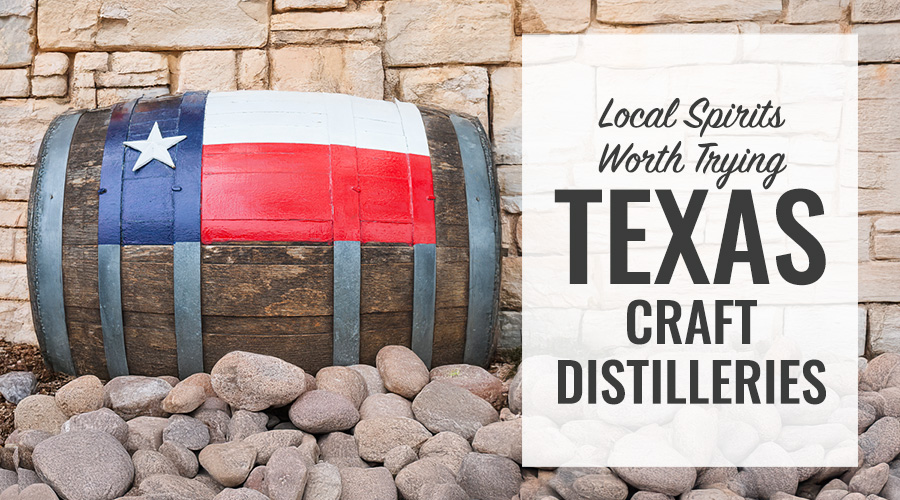
Texas has emerged as one of the most dynamic destinations for craft spirits in the United States. What was once a “whiskey desert” in the early 2000s has been completely transformed into a vibrant scene of grain-to-glass producers. In the 2010s, the state saw a major bourbon boom, demonstrating that world-class spirits can thrive even under the intensity of the Texas sun.
Texas craft distilleries offer more than just whiskey– they also produce a dynamic variety of spirits, including bourbon, rye, single malt, rum, gin, vodka, agave-based spirits, and sotol—a Texan spirit made from the West Texas desert spoon plant. The state’s extreme heat and drastic temperature fluctuations speed up the aging process. This results in bold, distinctive flavors that are truly one of its kind.
At Spec’s, we’re proud to carry so many of these Texas-made spirits. Whether you’re a seasoned collector hunting allocated bottles or just beginning your journey into local craft spirits, you’ll find selections from distilleries across the state on our shelves—no road trip required.
So what exactly makes a craft distillery? In today’s blog, we’ll break down some standout Texas distilleries, offer practical advice for planning distillery tours, and show you how to enjoy these spirits at home with pairings and cocktails.
The Rise of Texas Craft Spirits
We are able to trace the Texas craft spirit scene back to the early 2000s, when a handful of determined distillers decided to prove that great whiskey could be made outside of Kentucky and Tennessee. Today, our great state is home to more than 150 distilleries, some ranging from tiny operations to globally-recognized brands.
Garrison Brothers in Hye was the first legal Texas bourbon distillery since Prohibition, with founder Dan Garrison breaking ground in 2006 on a Hill Country ranch. Just a couple of years later, Balcones Distilling launched in Waco, gaining attention for Baby Blue—a blue corn whiskey that showed the world Texas could produce spirits with their own distinct character. These pioneers opened the door for dozens of distillers who followed.
The Texas climate plays an important role in the making of these spirits. Unlike the gentle seasonal shifts in Scotland or Kentucky, Texas barrels endure serious heat and temperature fluctuations that force the liquid in and out of the wood at an accelerated pace. This means a four-year Texas bourbon can develop complexity that might take eight years to achieve in cooler climates—though it also means higher evaporation rates.
Several distinct regions have emerged as craft distillery hubs:
| Region | Key Areas | Notable Characteristics |
| Hill Country | Dripping Springs, Hye, Blanco, Fredericksburg | Limestone-filtered water, diverse microclimates |
| Central Texas | Austin, Waco | Urban distilleries, strong tourism infrastructure |
| North Texas | Denison, Lewisville, Fort Worth | Family-owned operations, French-influenced aging |
| West Texas/High Plains | Various | High-altitude grains, desert botanicals for gin and sotol |

Texas Whiskey Trail & Craft Associations
The Texas Whiskey Association (TXWA) was formed in the late 2010s to support authentic Texas whiskey producers and help consumers identify the real deal. With the state’s spirits industry growing rapidly, the organization recognized a need for standards that would distinguish true Texas-made whiskey from bottles that were merely finished or blended in the state.
The TXWA’s “Certified Texas Whiskey” designation requires that mashing, fermentation, distillation, aging, and bottling all occur within Texas using actual grain (not bulk neutral grain spirits). This certification matters because it ensures you’re getting a product that reflects Texas terroir, hard work, and craftsmanship from start to finish. When you see that certification on a label, you know the entire production process happened right here in the Lone Star State.
The Texas Whiskey Trail serves as the tourism arm of this movement, with regional routes connecting member distilleries across the state. The Trail covers several geographic clusters:
- North Texas Route: Includes Ironroot Republic Distillery in Denison
- Hill Country Route: Features Garrison Brothers Distillery in Hye and numerous Dripping Springs operations
- Central Texas Route: Encompasses Balcones Distilling in Waco and Still Austin Whiskey Co.
- Gulf Coast Route: Connects producers in the Houston area and beyond
Visitors can collect stamps or digital check-ins at participating distilleries, working toward perks and rewards. Many Trail members offer digital passport apps that track your visits and unlock special experiences. It’s a fun way to structure a spirits-focused road trip while discovering new favorites along the journey.
Consumer membership through the Texas Whiskey Trail and TXWA typically includes benefits like:
- Branded merchandise and swag
- Distillery tour upgrades and VIP experiences
- Early access to limited and special releases
- Invitations to members-only tasting events
The good news for those who can’t make every stop in person is that many whiskies featured on the trail are available at Spec’s locations throughout the state and online at specsonline.com. You can continue your “trail” from home by seeking out those labels on our shelves and building your own Texas whiskey collection one bottle at a time.
Standout Texas Craft Distilleries to Know
Below are a few noteworthy craft distilleries across Texas and what makes them special. This isn’t an exhaustive list—with 150+ distilleries statewide, that would be impossible—but rather a curated selection representing different regions and styles.
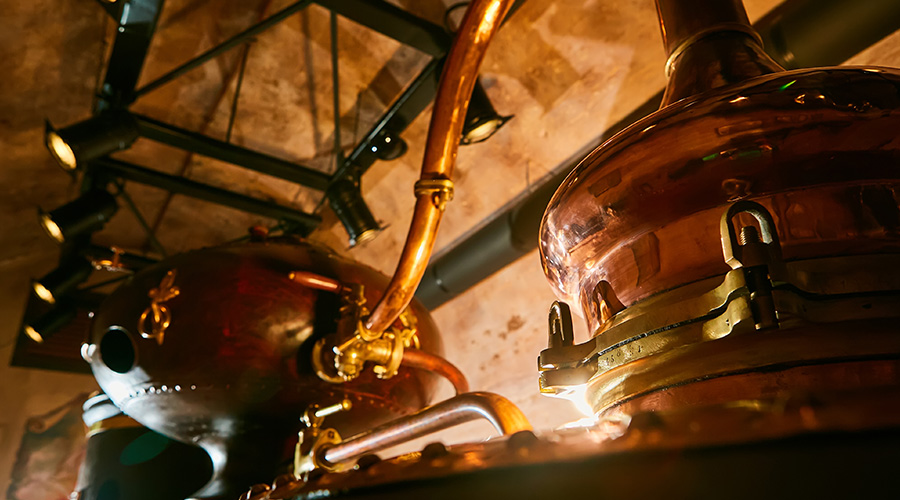
Balcones Distilling in Waco helped launch the Texas craft whiskey revolution. Founded in 2008, this team became famous for their Texas Single Malt and Baby Blue, a creamy, nutty whiskey made from roasted blue corn. The distillers here are focused on innovation, experimenting with unusual cask finishes and mash bills that push boundaries while honoring tradition. Their tasting room offers tours Thursday through Saturday, giving visitors a chance to see their copper pot stills in action and sample through the full lineup.
Garrison Brothers Distillery in Hye holds a special place in Texas whiskey history as the first legal bourbon distillery in the state since Prohibition. This is a true “corn-to-cork” operation on a working Hill Country ranch, where owners and their team control every step from growing grain to bottling. Their flagship Texas Straight Bourbon Whiskey delivers bold caramel and vanilla notes, while the annual Cowboy Bourbon release—aged longer and selected from the best barrels—has become a collectible that passionate whiskey lovers line up to purchase. A visit here feels like stepping onto a friend’s ranch, complete with gorgeous views and a relaxed atmosphere.
Still Austin Whiskey Co. became the first whiskey distillery within Austin city limits since Prohibition when they opened their doors. Their approach emphasizes grain-to-glass transparency, sourcing corn, wheat, and rye from Texas farms and milling it on-site. The result is a range of straight bourbon whiskey expressions that capture the spirit of the capital city. The space itself is impressive—a former industrial building transformed into a modern distillery with a stylish tasting room where you can sample and create your own cocktail experience.
Ironroot Republic Distillery in Denison brings a French-influenced aging philosophy to North Texas whiskey. This family-owned operation uses nontraditional corn varieties and ages their spirits with techniques borrowed from Cognac production, resulting in award-winning bourbons like Harbinger that have earned international recognition. The team here is passionate about educating visitors on the distillation process and how their approach differs from conventional American whiskey producers.
Dripping Springs Distilling lives up to its name, located in the picturesque town that has become a Hill Country spirits destination. Using hand-built copper stills, they produce small-batch vodka, gin, and bourbon with an emphasis on slow, careful distillation. Each batch is limited, which means quality control is exceptionally tight. Their vodka has won numerous awards and makes an excellent base for cocktails.
Treaty Oak Distilling operates on a sprawling ranch property in Dripping Springs that’s become a destination in itself. Beyond their grain-to-glass whiskeys like Ghost Hill bourbon, they produce the popular Waterloo Gin line using Texas botanicals. What sets Treaty Oak apart is the full experience: live music on weekends, an on-site restaurant, food trucks, and a family-friendly atmosphere where you can spend an entire afternoon. It’s the kind of place where you visit for a tasting and end up staying for dinner.
Desert Door in Driftwood represents Texas’ growing diversity beyond bourbon and rye. This distillery specializes in sotol, a spirit distilled from the wild desert spoon plant native to the Chihuahuan Desert in West Texas. The result is an earthy, herbaceous spirit with notes of grass and citrus—completely unique and unlike anything else in your bar. It’s become a favorite for Ranch Water variations and adventurous cocktail enthusiasts. Desert Door demonstrates that Texas craft distillers aren’t just making great whiskey—they’re exploring the full range of what the state’s landscape can produce.
Most of these distilleries offer core expressions and sometimes limited releases at Spec’s. If you’ve fallen in love with a bottle on a distillery visit, check our stores or specsonline.com to find it closer to home.
Planning a Texas Craft Distillery Tour
There’s something special about tasting a spirit in the same building where it was made. You see the stills, smell the fermenting mash, and often meet the distillers themselves—people who can explain exactly how their mash bills, barrels, and the Texas climate shape every flavor in your glass. If you’ve been curious about visiting Texas distilleries, here’s how to make the most of your trip.
Choose your region wisely. Texas is enormous, so trying to hit distilleries across the entire state in one trip is unrealistic. Instead, focus on one cluster:
- Hill Country (Dripping Springs, Hye, Driftwood, Fredericksburg): The highest concentration of distilleries, perfect for a weekend getaway
- Austin/Waco Corridor: Urban distilleries with easy access from major highways
- North Texas (Dallas–Fort Worth area, Denison): Family-owned operations with a more intimate feel
- Houston Area: Growing scene with diverse offerings
Plan for two to three distilleries per day maximum. This allows time for proper tours, relaxed tastings, and maybe a meal without feeling rushed.
Know what to expect on a tour. Most Texas distillery tours follow a similar structure:
- Introduction to the distillery’s history, founders, and philosophy
- Walk through the production process—mash tun, fermenters, stills, and barrel warehouse
- Guided tasting of three to six expressions, often including limited releases
- Time in the tasting room to purchase bottles, enjoy a cocktail, or relax
Many distilleries have expanded their offerings beyond basic tours. You might find bottling days where you can fill and label your own bottle, blending workshops where you create a custom expression, cocktail classes, or special events featuring live music and food trucks. Treaty Oak in particular has built an entire experience around their property, making it easy to spend a full afternoon.
Do your homework before you go. Check each distillery’s website or social media for:
- Current tour times and reservation requirements (many require advance booking)
- Tasting fees (typically $10–$25, often waived with bottle purchase)
- Seasonal events or limited-release bottle days
- Hours of operation (some are only open Thursday–Sunday)
Be smart about responsible consumption. Designate a driver before you start, or consider using ride-share services or organized tour operators who handle transportation. Drink plenty of water between tastings, pace yourself, and remember that the goal is enjoyment, not endurance. If you find bottles you love but don’t want to carry them around all day, you can always pick them up later at Spec’s—we likely have them in stock.
Enjoying Texas Craft Spirits at Home
One of the best ways to explore Texas spirits is through side-by-side tastings. Gather a few bottles and taste them comparatively:
- Texas bourbon showdown: Line up three different Texas bourbons and note how each distillery’s grain bill and aging approach creates distinct flavors
- Single malt comparison: Taste a Balcones Texas Single Malt against a Scottish single malt to see how climate and grain create different profiles
- Gin flight: Try three Texas gins featuring different botanical combinations—you’ll be surprised how varied they can be
- Vodka taste-off: Texas vodkas made from different base ingredients (corn, wheat, potato) each have their own character
When it comes to pairing Texas craft spirits with food, the possibilities are wide open. Some combinations that work particularly well:
- Texas bourbon with smoked brisket or barbecue: The caramel and char notes in bourbon complement the smoke and fat of Texas-style BBQ beautifully
- Texas rum with pecan pie or grilled pineapple: Sweet, tropical rum notes enhance desserts and caramelized fruit
- Texas gin with Gulf Coast seafood: Botanical gins pair wonderfully with oysters, shrimp, and grilled fish
- Sotol with spicy Tex-Mex or grilled vegetables: The earthy, herbaceous character of sotol stands up to bold flavors
For cocktails, you don’t need to get complicated. Classic recipes let the spirit shine:
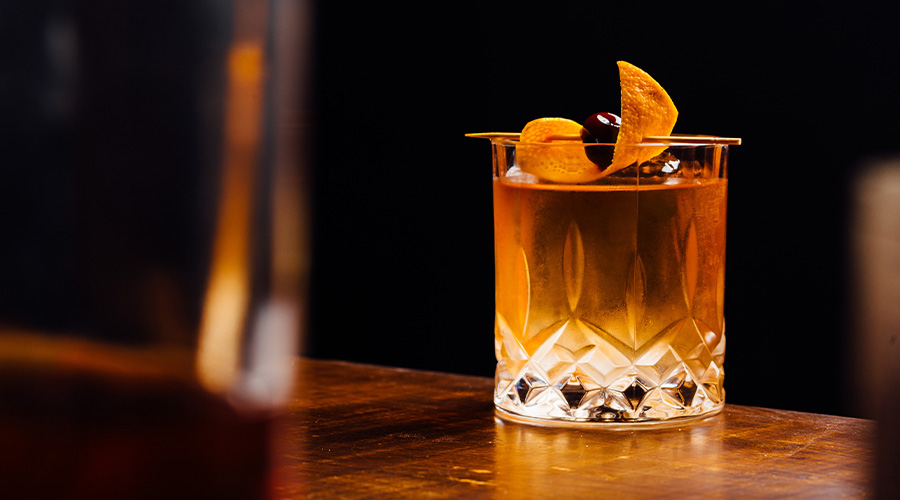
- Old Fashioned: Use a Texas bourbon, a sugar cube, a few dashes of bitters, and an orange peel. Simple and timeless.
- Ranch Water: Traditionally made with tequila, but try it with sotol or a Texas agave spirit for an authentic local twist. Just add lime juice and Topo Chico.
- Gin & Tonic: A Texas gin with interesting botanicals (Treaty Oak’s Waterloo line works great) over ice with quality tonic and a citrus garnish.
- Moscow Mule variation: Swap in a Texas vodka, add fresh lime and ginger beer, and serve in a copper mug.
Whether you’re planning your next road trip along the Texas Whiskey Trail or prefer to explore from the comfort of your living room, Texas craft spirits offer something for every palate. The distillers behind these bottles have put in serious hard work to create something uniquely Texan—spirits shaped by our climate, our grains, and our independent spirit.
Ready to start exploring? Visit your nearest Spec’s location or browse specsonline.com to discover your next favorite Texas-made bottle. Our team is here to help you find everything from everyday sippers to collectible releases. Support local producers, taste the difference Texas makes, and build a home bar that tells a story worth sharing with friends.