
The world of whiskey is undergoing a revolution of flavor. A quick trip to Spec’s reveals a vibrant array of bottles proudly announcing “port cask finish,” “sherry matured,” or “rum barrel aged.”
So, what do these labels mean, and additionally, what impact do these secondary casks have on the spirit in your glass?
Understanding how different casks impart their unique characteristics will empower you to make smarter choices when shopping, deepen your tasting experience, and find what perfectly aligns with your taste.
Today on the blog, we’ll explore everything about cask finishing: the science behind the process and the specific flavor profiles introduced by sherry, port, wine, and other experimental finishes.
What Is Barrel Finishing?
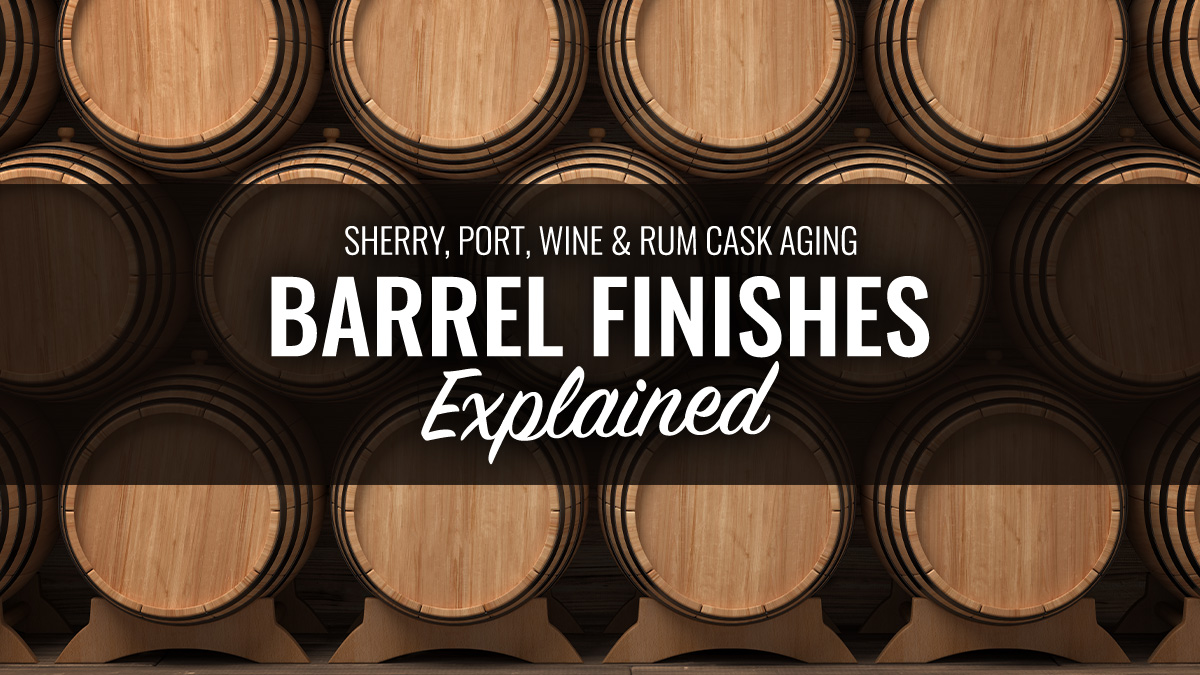
Barrel finishing, which is also referred to as secondary maturation, is the practice of transferring whiskey from its original aging vessel into a second cask for more opportunity to mature.
The regulations for US-made bourbon are strict: the initial aging must occur in new, charred oak barrels—a mandatory step. When bourbon is subsequently transferred to a different cask, such as one that held sherry or port, this period is known as a “finish.” Although the bourbon keeps its fundamental identity, this secondary aging adds a new layer of complexity absorbed from the temporary barrel.
For Scotch, Irish whisky, and other whiskies of the world, the standard practice involves aging in ex-bourbon or ex-sherry casks as primary maturation. When distillers talk about “finishing” these spirits, they mean an extra, typically shorter maturation in a second cask type. This could mean a whiskey is maturing from a few months to multiple years, depending on the desired flavor intensity.
The regulations for finishing vary by whiskey type:
- Bourbon (U.S.): The foundational aging must occur in new charred oak barrels; this is mandatory. Any subsequent aging in a different cask, such as one that previously held port or sherry, is considered the finish. The bourbon maintains its identity while acquiring new character from the temporary cask.
- Scotch, Irish, and World Whiskies: Primary maturation typically uses ex-bourbon or ex-sherry casks. Finishing involves an extra, usually brief, maturation period in a second cask type. This secondary phase can last from a few months up to about two years, depending on the intensity of flavor desired by the blender.
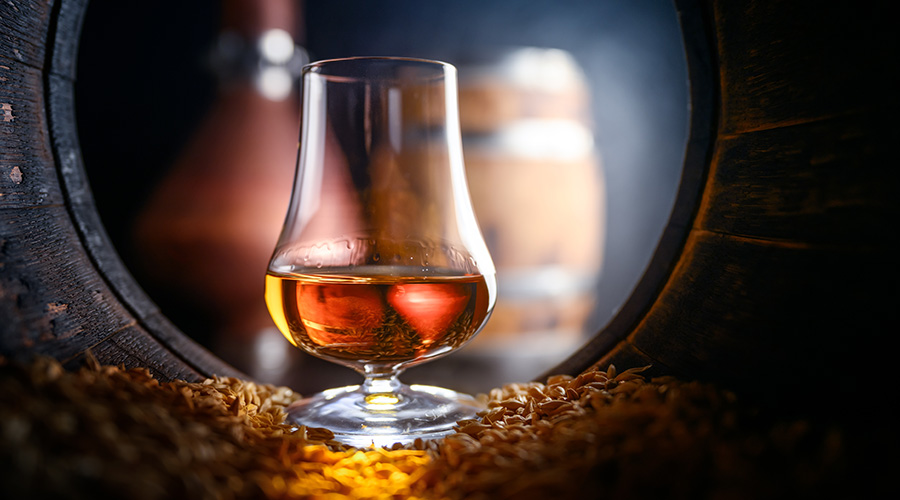
The influence of wood accounts for 60-80% of its developed character. Most often, you’ll find that whiskey is finished in: sherry, port, red wine, brandy/cognac, and rum barrels. However, experimental options such as tequila and beer barrels are becoming increasingly common.
How Barrel Finishing Works
Barrel finishing is a deliberate and vital step that elevates whiskey from good to truly exceptional. Understanding the “grain to glass” journey that your whiskey goes on before it gets to you will enhance your appreciation for the evolved spirit on your shelf.
The Step-by-Step Journey
First comes distillation—the spirit emerges from the still as clear, high-proof liquid. Then it enters the primary maturation stage, where fresh distillate enters its first home. For bourbon, that’s always new charred American oak. For Scotch and many world whiskies, often oak barrels are used, ones that held bourbon or sherry previously.
The first round of aging and maturation can span 3 to 10+ years, depending on the distillery’s goals. It’s during this time that the whiskey develops its foundational characteristics: its vanilla and caramel from oak sugars, the color from wood contact, and smoothness as harsh compounds mellow.
When the master distiller decides the whiskey has achieved its core characteristics, they make a critical decision: transfer part or all of the batch into finishing casks. These secondary vessels previously held sherry, port, wine, rum, or other spirits, and they absorbed flavors from their original contents.
Variables That Matter
Several factors determine how dramatically the finish affects your whiskey:
| Variable | Impact on Flavor |
| Length of finish | Longer time = more intense influence (but risk of overpowering) |
| Climate | Hot Texas warehouses accelerate extraction; cool Scottish dunnage works slowly |
| Barrel size | Smaller barrels = more surface contact = faster flavor pickup |
| Toasting/charring | Higher char can add smokiness; lighter toast preserves cask’s original character |
| Wetness of cask | Recently emptied “wet” casks impart more residual flavor |
Some brands choose to finish their entire batch in a single cask which results in a flavor profile that is consistent and more one-note. Other distillers may take a blending approach and finish portions in port, sherry, and rum casks separately, then combine everything together for the final product. This layered technique produces complex whiskeys.
When you see labels like “bourbon finished in port wine barrels” or “whiskey finished in rum casks,” that’s producers working within U.S. labeling regulations. The core category stays the same and the finish adds the flourish.
Sherry Cask Finishes
Sherry is arguably the barrel finish with the deepest roots. The close connection between Scotch whisky and sherry spans over a century, marked by Spanish casks traveling across the ocean to Scottish maturation warehouses. More recently—in the past 10 to 15 years—American distillers have enthusiastically adopted sherry finishing for their bourbon and rye, resulting in expressions that blend the character of Southern grain with the legacy of Andalusian wine.
Understanding Sherry
Sherry is a fortified wine that is entirely produced in the Jerez region of southern Spain. Unlike table wines, sherry undergoes a unique aging process in a solera system—a fractional blending method where younger wines refresh older ones in a cascade of barrels.
The sherry style dramatically influences what flavors transfer to your whiskey:
Oloroso sherry casks produce rich, nutty, dried fruit characteristics. When whiskey interacts with oloroso-seasoned wood, expect aromas of walnuts, figs, and leather, with flavors of raisins, dates, and baking spice. The mouthfeel becomes noticeably richer.
Pedro Ximénez (PX) casks take sweetness to another level. PX sherry is made from sun-dried grapes, creating an intensely sweet, syrupy wine. Whiskeys finished in PX casks often display fig jam, molasses, dark chocolate, and concentrated sweetness that lingers on the palate.
Fino and Amontillado casks are less common for finishing but offer lighter, more savory notes—almonds, sea salt, and delicate yeast characteristics that work beautifully with grain-forward whiskeys.
Flavor Profile of Sherry Finishes
When you pick up a sherry-finished bourbon or whisky, here’s what to look for on your palate:
- Dried fruit like raisins, dates, and prunes
- Toasted nuts, like walnuts and hazelnuts
- Chocolate and cocoa powder
- Baking spice notes: cinnamon, nutmeg, clove
- Brown sugar and caramel deepened beyond typical bourbon
- Leather, tobacco, or espresso
Port Cask Finishes
Port casks have become extremely desirable for finishing American whiskey, bringing a touch of glamour to the bourbon world. These expressions are sought after by both inexperienced enjoyers and established collectors, alike, since they impart a fruit-forward richness that makes them stand out.
Understanding Port
Port is also a fortified wine, hailing from Portugal’s Douro Valley where grapes grow on steep hillsides. After fermentation, brandy is added to stop the process and preserve the sweetness of the natural grape, while boosting alcohol content. The wine then ages in wood casks in the lodges of Vila Nova de Gaia, developing its characteristic richness.
For whiskey finishing, there are two dominant styles of doing so:
Ruby port spends limited time in wood, retaining bright, fresh red fruit character—cherry, raspberry, and plum. Barrels that held ruby port tend to add vivid fruit notes and approachable sweetness to whiskey.
Tawny port ages longer in wood, taking on oxidized, nutty, caramel characteristics. Tawny port casks contribute butterscotch, toasted almond, and dried fruit alongside softer tannins. The influence is more subtle but adds tremendous depth.
What Port Finishes Bring to Whiskey
Port-finished bourbon and whisky typically display the below characteristics:
- Fresh stone fruits: cherry, plum, apricot
- Berry notes: raspberry, blackberry, strawberry
- Toffee and butterscotch
- Roasted nuts and marzipan
- A round, velvety texture that softens any rough edges
- Enhanced color ranging from rose gold to deep amber
Port-finished whiskeys truly shine alongside blue cheese, charcuterie boards, and chocolate-covered cherries. The fruit notes in the spirit create a cohesive flavor experience with these accompaniments.
Red Wine & Other Wine Barrel Finishes
Wine casks beyond sherry and port have become an experimental playground for adventurous distillers. Starting in the 2010s, craft distilleries and larger producers began experimenting with cabernet sauvignon, pinot noir, Bordeaux blends, and dessert wine barrels—creating whiskeys that bridge the gap between wine and bourbon.
Red Wine Finishes
Red wine barrels add dimensions that set them apart from fortified wine casks. The key difference is tannins. Red wines contain grape skin tannins that absorb into the wood, and when whiskey interacts with these barrels, it picks up structural elements alongside their fruit character.
Cabernet and Bordeaux barrels impart cassis, blackberry, dried herbs, cocoa, and extra grip. These finishes can add complexity without excessive sweetness, making them appealing to drinkers who find sherry or port finishes too rich.
Pinot noir barrels contribute brighter red fruit like cranberry, cherry, and raspberry with more earthy undertones. The tannin structure is lighter and creates an elegant finish.
Some distilleries go to great lengths to preserve wine character in their finishing casks. They ship freshly emptied barrels cold or under inert gas to prevent the wood from drying out or oxidizing, ensuring maximum flavor transfer to the whiskey. This careful maintenance makes a noticeable difference in the final product.
White and Dessert Wine Finishes
White wine finishes offer entirely different flavor profiles:
Chardonnay barrels oftentimes add honey, vanilla, citrus, and buttery characteristics from malolactic fermentation residue in the wood.
Sauternes and other dessert wine barrels contribute intense sweetness, apricot, tropical fruit, and candied orange peel. These finishes can be particularly luxurious.
Brandy, Cognac & Armagnac Finishes
The practice of aging grape-based spirits—such as brandy, cognac, and Armagnac—in oak barrels has a centuries-long history, resulting in the development of rich, complex layers of fruit, spice, and wood flavor. When these seasoned, retired barrels are then utilized as a secondary aging environment for bourbon and whiskey, the outcome is frequently spectacular: a polished, undeniably sophisticated, and more complex spirit.
What Brandy Brings to Whiskey
Essentially, brandy is distilled wine, and French regions like Cognac and Armagnac produce some of the world’s most celebrated examples of this. These spirits will mature for decades in French oak, infusing the wood with orchard fruit, floral notes, toffee, and refined oak character.
When whiskey meets these season casks, it picks up:
- Candied orange peel and citrus zest
- Stone fruits: apricot, peach, dried apple
- Vanilla cream and custard
- Marzipan and almond
- Soft baking spice notes without harshness
- Extended, elegant finish on the palate
Cognac casks often taste more refined, with a seamless integration between grain sweetness and grape influence. There’s a European sophistication that works beautifully with corn-rich bourbon.
Armagnac casks, though, offer a slightly different character—it’s more rustic, with the addition of dried fruit and earthy spice notes. Armagnac ages in different oak than cognac, and that distinction carries through to the finished whiskey.
These brandy-finished expressions make perfect after-dinner sippers. Pair them with aged cheese plates, dark chocolate, or roasted nuts.
Rum, Tequila & Other Experimental Finishes
Distillers have pushed cask finishing beyond European wine traditions and into exciting new territories. Rum, tequila, beer, maple syrup, and honey barrels now produce whiskeys that would have seemed bizarre twenty years ago, but deliver delicious results.
Rum Cask Finishes
Rum barrels add tropical warmth to whiskey. The rum previously in these casks leave behind vibrant notes of brown sugar, molasses, banana, tropical fruit, and baking spice notes.
When bourbon or rye finishes in rum casks, the result often tastes like a sun-drenched vacation. There’s a subtle sweetness, fruit without wine tannins, and a brightness of character. These expressions work wonderfully in warmer months or as cocktail bases.
Tequila Finishes
Tequila finishes use previously-used reposado or añejo casks that previously held agave spirit. The flavor contributions are distinctive:
- Lime zest and citrus brightness
- Agave sweetness (vegetal but pleasant)
- Peppery heat and herbal notes
- Drier finish than most wine-cask expressions
Tequila-finished bourbon offers a fascinating bridge between American and Mexican spirits traditions. These bottles appeal to drinkers who enjoy complexity without sweetness.
Beer Barrel Finishes
Craft beer is having a moment and as a result has supplied distilleries with stout, porter, and IPA barrels that add entirely different dimensions:
- Stout barrels contribute roasted malt, coffee, and dark chocolate
- IPA barrels add hop bitterness, citrus, and herbal notes
- Belgian ale barrels bring fruity esters and yeast character
Finding Balance
The challenge with experimental finishes is avoiding overwhelming the base spirit. A few months in an intensely flavored cask can tip a balanced whiskey into gimmick territory. The best producers limit finishing time and blend across multiple casks to dial in more flavor without losing the whiskey’s identity.
Look for rum-cask-finished rye, tequila-finished bourbon, and stout-barrel-finished American whiskey on Spec’s shelves. These bottles reward adventurous palates willing to explore beyond traditional expressions.
How to Taste and Compare Barrel-Finished Whiskeys
The best way to understand barrel finishes is to compare tastes. When you experience a finished whiskey alongside its un-finished counterpart—or compare different finish types—the education happens on your palate, not just in your head.
Simple Tasting Steps
Follow this approach for consistent performance in your tastings:
- Pour at room temperature — cold whiskey mutes aromas and flavors
- Nose first — take several small sniffs, noting initial impressions
- Taste neat — let the whiskey coat your palate before swallowing
- Add a few drops of water — if the proof is high (over 100), water opens new dimensions
- Take small sips — focus on sweetness, spice, fruit, oak, and finish length
- Note the finish — how long do flavors linger? What characteristics remain?
Building a Home Flight
For a revealing tasting experience, assemble four glasses with whiskeys that represent different finish types:
| Glass | Style | What to Look For |
| 1 | Classic straight bourbon (no finish) | Baseline vanilla, caramel, oak |
| 2 | Sherry-finished bourbon or whisky | Dried fruit, chocolate, spice notes |
| 3 | Port-finished whiskey | Stone fruit, berry, toffee |
| 4 | Experimental finish (rum, wine, tequila) | Category-specific additions |
As you taste, keep notes on aroma, flavor, and mouthfeel. Focus on what seems clearly linked to the finishing cask: dried fruit suggests sherry influence, dark cherry points to port casks, tropical sweetness indicates rum barrels.
Pairing Ideas
Match your finished whiskeys with complementary foods:
- Port-finished → chocolate desserts, berry tarts
- Sherry-finished → aged cheeses, nut brittles
- Rum-finished → pecan pie, bread pudding
- Tequila-finished → spicy Tex-Mex, lime-forward dishes
- Wine-finished → charcuterie boards, dark chocolate
The world of barrel-finished whiskey rewards curiosity. With proper care and an adventurous spirit, you can build knowledge one dram at a time. Pair your discoveries with Spec’s gourmet foods and cigars for complete tasting experiences that engage all your senses.
Stop by any Spec’s location, browse online, and discover why cask finishing has become one of the most exciting developments in the whiskey world. Your next favorite pour is waiting.