
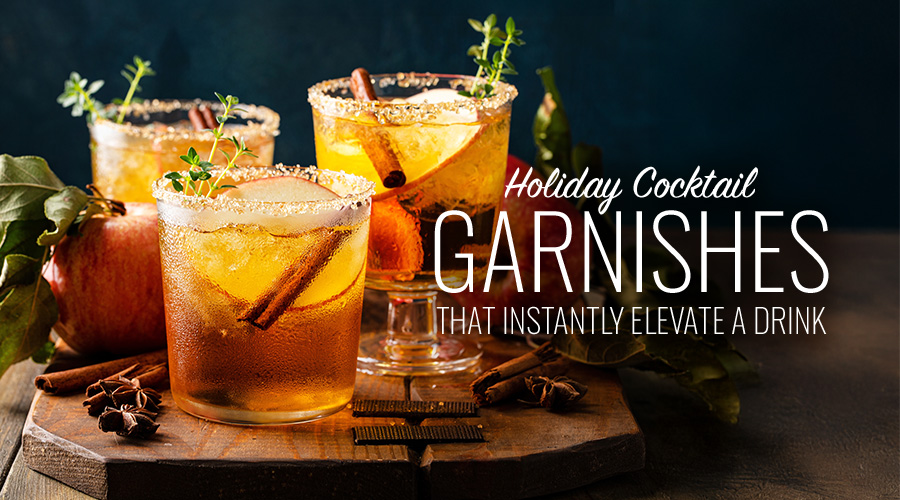
The difference between a standard cocktail and an unforgettable holiday drink often comes down to one crucial element: the garnish. During the holiday season, when guests gather to celebrate and create memories, the visual appeal and aromatic profile of your cocktails can transform an ordinary evening into something truly magical. Holiday cocktail garnishes do more than simply decorate a glass—they engage all the senses, creating an immersive experience that captures the essence of winter festivities.
From the jewel-like sparkle of pomegranate arils floating in champagne to the warming aroma of a cinnamon stick stirring a hot toddy, these decorative elements tell a story. They evoke memories of crackling fireplaces, snow-covered evergreens, and the sweet spices that define holiday baking. Whether you’re hosting an intimate dinner party or a large holiday gathering, mastering the art of festive garnishing will elevate your libations from simple drinks to conversation-starting centerpieces.
On the blog today, we’ll explore everything you need to know about creating stunning garnishes for your holiday cocktails. You’ll discover techniques for working with fresh seasonal fruits, learn how to incorporate aromatic herbs and spices, and master the art of decorative presentations that will impress your guests and create Instagram-worthy moments throughout the festive season.
Fresh Fruit Garnishes
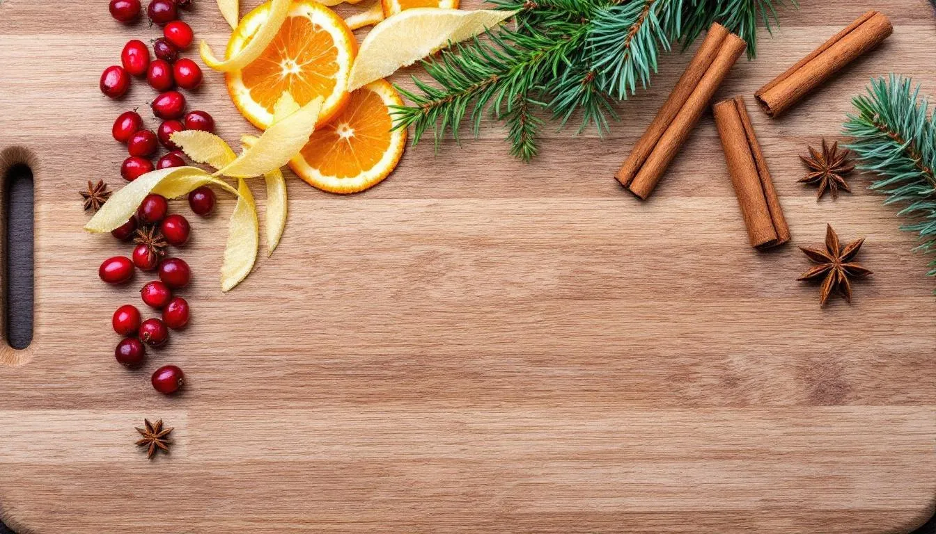
Fresh seasonal fruits form the foundation of exceptional holiday cocktail garnishes, providing natural sweetness, vibrant colors, and authentic flavors that perfectly complement winter libations. The beauty of fresh fruit garnishes lies in their versatility—they can serve as floating decorations, muddled flavor enhancers, or architectural elements that add height and visual interest to your drinks.
Pomegranate arils are perhaps the most striking fresh fruit garnish for holiday cocktails. These ruby-red seeds resemble tiny jewels and add both visual drama and a pleasant tartness that balances sweet holiday flavors. When added to champagne or sparkling cocktails, pomegranate seeds create an elegant floating effect while slowly releasing their tangy juice. For preparation, remove seeds carefully to avoid bitter white pith, and store them in the refrigerator for up to one week in an airtight container.
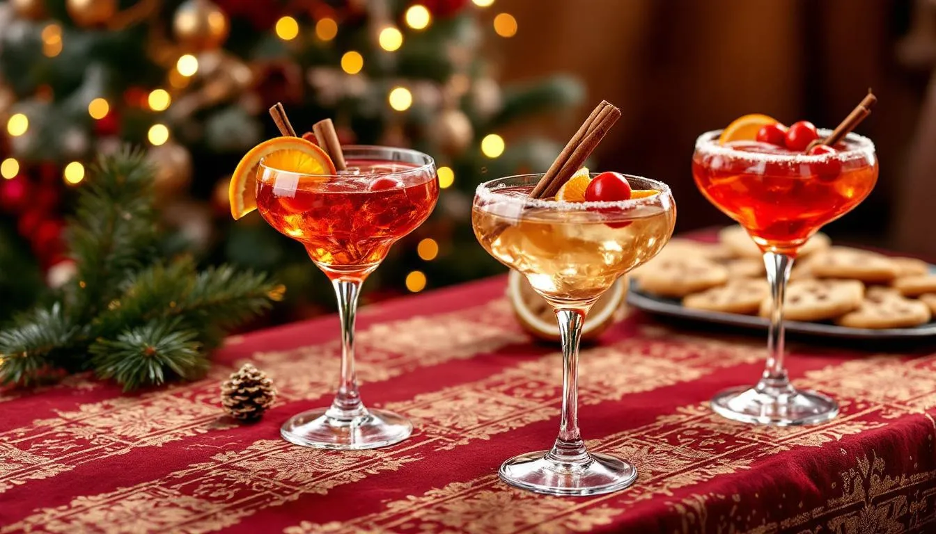
Fresh cranberries offer the quintessential holiday color and can be used in multiple ways. Whole cranberries work beautifully as floating garnishes in clear spirits like gin or vodka-based cocktails. For an elevated presentation, create sugar-coated cranberries by rolling fresh berries in simple syrup, then in granulated sugar. This technique creates a “snowy” effect that’s perfect for winter entertaining. The natural tartness of cranberries also provides a pleasant contrast to sweet cocktail ingredients.
Citrus fruits bring brightness and essential oils that enhance both aroma and flavor. Orange wheels studded with whole cloves create an instant holiday atmosphere, while lemon and lime wheels add freshness to heavier winter drinks. The key to exceptional citrus garnishes lies in selecting firm, unblemished fruit and cutting consistent, even slices that won’t fall apart in the glass.
Apple and pear slices work exceptionally well in warm cocktails and can be enhanced by studding them with whole cloves or dusting with ground cinnamon. These fruits hold their shape well when heated and add a subtle sweetness that complements spiced spirits and warm wine-based drinks.
When selecting fresh fruits for garnishing, choose items that are firm, unblemished, and at peak ripeness. Softer fruits may break apart in cocktails or lose their visual appeal quickly. Proper storage is crucial—most fresh fruit garnishes should be prepared no more than 24 hours in advance and stored in airtight containers in the refrigerator to maintain freshness and prevent oxidation.
Citrus Garnish Techniques
Mastering citrus garnish techniques will significantly elevate your holiday cocktail presentation. The essential oils contained in citrus peels provide intense aromatics that can transform the drinking experience before the glass even reaches your guests’ lips.
Creating perfect citrus twists requires either a vegetable peeler or a channel knife for professional results. When using a vegetable peeler, work slowly and steadily to create thin strips of peel that avoid the bitter white pith underneath. The ideal twist should be about three inches long and contain only the colored outer layer of the citrus rind. For consistent results, choose citrus fruits with thick, unblemished skins that will produce substantial peels.
Flaming citrus peels adds dramatic flair and intensifies the aromatic oils. Hold a match or lighter above the cocktail, then quickly squeeze the citrus peel skin-side down toward the flame. The essential oils will ignite briefly, creating a small burst of flame and releasing concentrated citrus aroma directly into the drink. This technique works best with orange and lemon peels and should always be performed away from guests for safety.
Dehydrating citrus wheels creates long-lasting garnishes with concentrated flavors. Slice citrus fruits into uniform wheels approximately ¼-inch thick, then arrange on dehydrator trays or baking sheets. In a dehydrator, process at 135°F for 6-8 hours until completely dried. In a conventional oven, use the lowest setting (around 170°F) with the door slightly ajar, checking every hour. Properly dehydrated citrus wheels can be stored in airtight containers for several months and won’t dilute cocktails like fresh fruit.
Studding orange peels with whole cloves creates an instant holiday aroma reminiscent of traditional pomanders. Simply press whole cloves into the flesh side of wide orange peels, then use as stirrers for warm cocktails like mulled wine or hot toddies. The combination of citrus oils and warm spices creates an incredibly festive sensory experience.
Aromatic Herbs and Spices
Aromatic herbs and spices transform holiday cocktails into multisensory experiences that evoke the warmth and comfort of the season. These garnishes work on multiple levels—they provide visual appeal, release enticing fragrances, and can subtly infuse drinks with complementary flavors as guests sip.
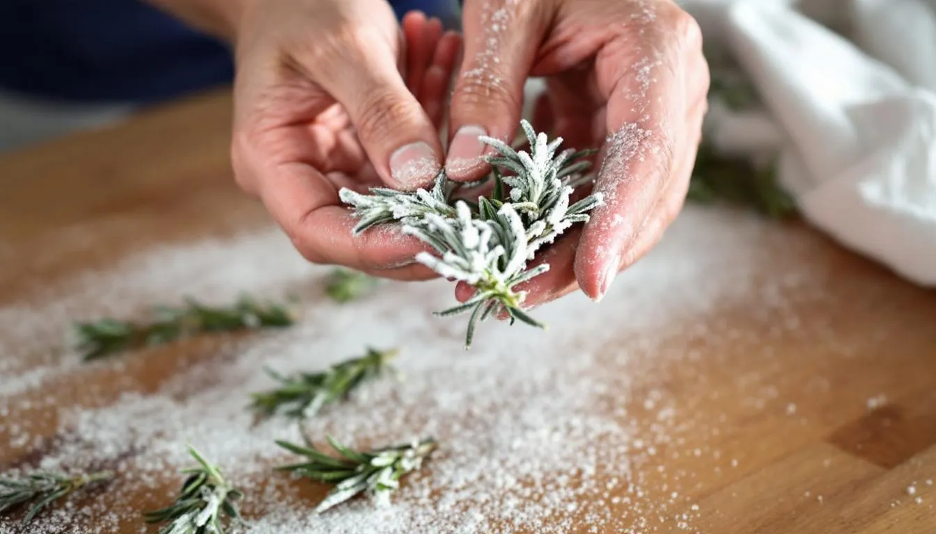
Fresh rosemary sprigs have become synonymous with sophisticated holiday cocktailing. Their pine-like aroma pairs beautifully with gin-based cocktails and adds an evergreen element that captures the essence of winter. To create sugar-frosted rosemary, brush fresh sprigs lightly with simple syrup, then roll in granulated sugar. This technique creates a “snowy” effect while preserving the herb’s aromatic properties. Gently slap or pinch rosemary sprigs before adding to cocktails to release their essential oils.
Pine and fir sprigs can add rustic, forest-inspired character to holiday drinks, but safety is paramount. Only use food-safe varieties from reputable sources, and avoid any evergreen that has been treated with chemicals or pesticides. Douglas fir and white pine are generally considered safe options, but when in doubt, stick with culinary herbs. These garnishes work particularly well in gin and whiskey cocktails where their resinous qualities complement the base spirits.
Whole spices like cinnamon sticks, star anise pods, and cardamom pods serve dual purposes as garnishes and natural stirrers. Cinnamon sticks are perhaps the most versatile, working in both hot and cold cocktails while slowly releasing warm, sweet aromatics. Star anise provides a striking visual element with its distinctive eight-pointed shape and adds subtle licorice notes that pair well with dark spirits and wine-based cocktails.
Creating spice-infused simple syrups for rimming glasses adds another layer of flavor complexity. Simmer equal parts water and sugar with whole spices like cloves, allspice berries, or cardamom for 10-15 minutes, then strain and cool. Use this flavored syrup as an adhesive base for rim treatments, adding both sweetness and spice to the first sip.
When working with fresh herbs, remember that their oils are most potent when the garnish is first prepared. Store fresh herb garnishes in slightly damp paper towels in the refrigerator, and prepare them no more than 4-6 hours before serving for optimal aroma and appearance.
Decorative Ice and Frozen Elements
Decorative ice elevates holiday cocktails from ordinary to extraordinary, creating stunning visual centerpieces that slowly release embedded flavors as they melt. The key to impressive decorative ice lies in planning ahead—most techniques require 12-24 hours of freezing time.
Creating ice cubes with embedded elements transforms ordinary frozen water into edible art. Use silicone ice cube trays or molds, and fill them halfway with distilled water. Add your chosen elements—cranberries, pomegranate arils, small herb sprigs, or edible flowers—then fill the remaining space with water. The two-step filling process ensures garnish elements stay centered in the cube. For crystal-clear results, use distilled water and freeze slowly in a well-insulated cooler placed in the freezer.
Large format ice rings create dramatic presentations for punch bowls and large-batch cocktails. Use a bundt pan or ring mold, arranging seasonal decorations like cranberries, orange slices, and herb sprigs in the bottom before adding water. These rings serve as floating centerpieces that keep punch cold while slowly releasing embedded flavors. Plan for at least 24 hours of freezing time for rings this size.
Frozen cranberries and berries work as both ice cube alternatives and floating garnishes. Unlike traditional ice, frozen berries won’t dilute cocktails significantly while providing color and subtle flavor as they thaw. Freeze fresh cranberries on baking sheets before transferring to storage containers to prevent clumping.
Achieving clear ice requires understanding the science behind ice formation. Clear ice forms when water freezes slowly and directionally, pushing air bubbles and impurities to one end. For home bartenders, the directional freezing method works well: fill a small cooler with distilled water, place it in the freezer with the lid off, and allow it to freeze slowly. After 24 hours, remove the clear top portion and cut into desired shapes using a serrated knife.
Specialty ice molds in holiday shapes add whimsical touches to seasonal cocktails. Star-shaped ice, snowflake molds, or even Christmas tree shapes create conversation starters. However, remember that intricate shapes may melt quickly and can be difficult to remove from molds without breaking.
When planning decorative ice, always prepare elements 1-2 days before your event. Store finished ice in airtight containers to prevent freezer burn and absorption of other flavors from your freezer.
Sweet and Festive Rim Treatments
Rim treatments provide the first taste experience for cocktail drinkers and offer endless opportunities for creativity during the holiday season. The key to professional-looking rims lies in proper technique and choosing complementary flavors that enhance rather than overwhelm the cocktail.
Sugar rim variations extend far beyond basic granulated sugar. Colored sugars in red and green create instant holiday appeal, while mixing sugar with holiday spices like ground cinnamon, nutmeg, or cardamom adds aromatic complexity. For textural interest, combine fine and coarse sugars, or mix sugar with finely chopped candied ginger for a sophisticated twist.
Crushed candy cane rims deliver nostalgic peppermint flavor that pairs beautifully with chocolate-based cocktails and coffee drinks. Place candy canes in a sealed plastic bag and crush with a rolling pin for consistent pieces. The key is achieving uniform crushed pieces that aren’t so large they fall off the rim or so fine they dissolve immediately.
Honey and maple syrup serve as excellent adhesive bases for rim garnishes, particularly when you want to avoid refined sugar. These natural sweeteners work especially well with nuts, spices, or graham cracker crumbs for dessert-style cocktails. Warm honey or maple syrup slightly for easier application, but allow it to cool before adding coating materials.
Crushed cookie and graham cracker rims transform cocktails into liquid desserts. Gingersnap cookies crushed finely create perfect rims for eggnog-based drinks, while graham cracker rims complement s’mores-inspired cocktails. Store crushed cookies in airtight containers to maintain crispness.
The step-by-step technique for professional rim treatments is crucial for consistent results:
- Pour your adhesive (simple syrup, citrus juice, honey) into a shallow plate wider than your glass rim
- Place your coating material in a second shallow plate
- Dip the glass rim into the adhesive, rotating to coat evenly
- Immediately roll the rim in the coating material, applying gentle pressure
- Gently shake off excess coating and set aside to dry for 2-3 minutes
For even coating, ensure your adhesive layer isn’t too thick—it should coat the rim without dripping down the sides of the glass. Prepare rimmed glasses up to 2 hours before serving, storing them in the refrigerator to set the coating.
Candy and Sweet Garnishes
Sweet garnishes add playful elements to holiday cocktails while providing nostalgic connections to childhood holiday memories. The key to successful candy garnishing lies in balancing sweetness levels and choosing elements that enhance rather than compete with the cocktail’s flavor profile.
Candy cane stirrers offer both functionality and flavor, slowly dissolving to add peppermint sweetness throughout the drinking experience. Mini candy canes work best for standard cocktail glasses, while full-size canes suit larger mugs and hot drinks. The dissolution rate varies with drink temperature—hot cocktails will dissolve candy canes quickly, while cold drinks allow for prolonged peppermint infusion.
Mini gingerbread cookies create edible rim decorations that capture the essence of holiday baking. Attach small cookies to glass rims using honey or royal icing as adhesive. For stability, choose cookies that are fully baked and crisp rather than soft varieties that might crumble. These work particularly well with cream-based cocktails and coffee drinks where the spice flavors complement the base ingredients.
Rock candy sticks add elegant sparkle to sparkling wine and champagne cocktails. As they slowly dissolve, they provide subtle sweetness without overwhelming delicate bubble wines. Choose clear rock candy for versatility, or select colored varieties to match your party’s color scheme. The dissolution process creates interesting visual effects as the crystal structure gradually changes.
Chocolate shavings and cocoa powder dustings elevate cream-based drinks into dessert-like experiences. Use a vegetable peeler to create chocolate curls from a room-temperature chocolate bar, or dust drink surfaces with unsweetened cocoa powder using a fine-mesh strainer. Dark chocolate provides sophisticated bitterness that balances sweet cocktails, while white chocolate creates striking visual contrast against dark drinks.
Edible gold leaf and food-grade glitter add glamorous finishing touches for special occasions. Apply gold leaf to drink surfaces using clean tweezers, working quickly before it oxidizes. Food-grade glitter should be specifically labeled as edible—craft glitter is not safe for consumption. These elements work best on clear or light-colored cocktails where they’re most visible.
When incorporating candy garnishes, consider the cocktail’s existing sweetness level. Rich, cream-based drinks may become cloying with additional sweet elements, while spirit-forward cocktails can often accommodate more pronounced candy flavors. Test combinations before serving to ensure balanced taste profiles.
Seasonal Dried and Preserved Garnishes
Dried and preserved garnishes offer practical advantages for holiday entertaining—they can be prepared well in advance, have extended shelf lives, and often provide more concentrated flavors than their fresh counterparts. These elements are particularly valuable for busy hosts who want professional-looking garnishes without last-minute preparation stress.
Dried fruit wheels and slices deliver concentrated flavors that won’t dilute cocktails. Commercially dried oranges, lemons, and seasonal fruits maintain their shape beautifully while adding intense fruit essences. The dehydration process concentrates sugars and acids, creating garnishes that provide flavor bursts with each sip.
Home dehydrating techniques allow for custom preparations using seasonal fruits at their peak. Slice fruits uniformly at ¼-inch thickness for consistent drying. In a food dehydrator, process citrus wheels at 135°F for 6-8 hours, checking periodically. Oven drying requires low temperatures (170°F or lower) with the door slightly ajar to allow moisture escape. Properly dried fruits should be leathery but not brittle, with no remaining moisture that could lead to spoilage.
Preserved cherries, including luxurious Maraschino varieties, add sophisticated touches to holiday cocktails. Traditional Maraschino cherries from Italy offer complex flavors far superior to artificially colored versions. These cherries are preserved in marasca cherry liqueur, providing both garnish and subtle flavor enhancement. Store opened jars in the refrigerator and use the preserving liquid as a cocktail ingredient.
Candied ginger and crystallized fruit provide sophisticated flavor profiles that appeal to adult palates. Candied ginger adds warming heat that complements whiskey and rum-based cocktails, while crystallized citrus peels offer intense fruit flavors with sparkling sugar coatings. These preserved elements can be chopped and used in rim treatments or left whole as floating garnishes.
Dried flower petals and herbs create delicate, aromatic presentations that photograph beautifully. Lavender buds, rose petals, and dried hibiscus flowers add color and subtle fragrances. However, ensure all dried flowers are food-grade and haven’t been treated with chemicals. Culinary suppliers offer verified edible flowers specifically for food and beverage use.
Storage methods for dried garnishes require protecting them from moisture and light. Airtight glass containers stored in cool, dark locations maintain quality for 6-12 months. Silica gel packets can be added to containers for extra moisture protection, but ensure they don’t come into contact with garnish materials. Label containers with preparation dates to maintain rotation.
The concentrated nature of dried garnishes means they often require smaller quantities than fresh equivalents. Start with conservative amounts and adjust based on taste preferences and visual impact.
Creative Presentation Ideas
Exceptional presentation transforms holiday cocktails from simple drinks into memorable experiences that guests will discuss long after the party ends. Creative garnish arrangements tell stories, create themes, and provide endless opportunities for social media-worthy moments.
Garnish skewers allow for combining multiple elements into cohesive presentations. Thread alternating cranberries and orange segments with fresh rosemary sprigs for forest-inspired arrangements. Use metal cocktail picks for stability, or choose decorative options that complement your party’s theme. The key is balancing colors, textures, and sizes to create visually appealing compositions that don’t overwhelm the drink.
Floating garnish arrangements work particularly well in punch bowls and large format drinks. Create “islands” of garnishes by clustering complementary elements—pomegranate arils surrounded by floating cranberries, or citrus wheels adorned with herb sprigs. These arrangements evolve as ingredients move and interact, creating dynamic presentations that change throughout the evening.
Layered garnishes tell visual stories by building from bottom to top. Start with heavier elements like fruit pieces at the bottom, add medium-weight items like ice cubes embedded with herbs, and finish with floating elements like flower petals or edible glitter. This technique works especially well in clear glasses where all layers remain visible.
Interactive garnishes allow guests to customize their drinking experience. Set up “garnish bars” with small bowls of various elements—different citrus wheels, herb sprigs, candy options, and spice rims. Provide small spoons and cocktail picks so guests can modify their drinks throughout the evening. This approach works particularly well for large parties where individual customization isn’t practical.
Photography considerations have become increasingly important in social media-focused entertaining. Natural lighting showcases garnishes best, so position cocktail preparation areas near windows when possible. Contrasting backgrounds—dark surfaces for light garnishes, light backgrounds for colorful elements—create more dramatic photos. Consider the angle when arranging garnishes; elements visible from above photograph differently than those designed for side viewing.
Coordinating with party themes creates cohesive experiences that reinforce your event’s atmosphere. Traditional Christmas themes might feature red and green color schemes with classic elements like candy canes and holly-inspired garnishes. Modern winter parties could emphasize white and silver elements with crystalline presentations and elegant metallic accents.
The most successful creative presentations maintain balance between visual impact and practicality. Garnishes should enhance rather than impede the drinking experience, and overly complex arrangements may not survive the inevitable jostling of party environments.
Preparation and Storage Tips
Successful holiday entertaining requires strategic preparation, and garnishes offer excellent opportunities for advance work that reduces party-day stress while ensuring professional-quality presentations. Understanding proper timelines and storage methods allows hosts to create impressive displays without sacrificing freshness or visual appeal.
Timeline planning varies significantly based on garnish type. Begin with longest-lasting elements 3-4 days before your event. Dehydrated fruits, candied elements, and spice-infused syrups can be prepared well in advance and actually improve with time. Sugar-rimmed glasses can be prepared up to 2 hours before serving, while fresh herb garnishes should be prepared no more than 4-6 hours ahead to maintain optimal aroma and appearance.
Storage methods require matching techniques to ingredients. Fresh fruit garnishes need refrigeration in airtight containers, often with slightly damp paper towels to maintain humidity. Citrus wheels and berries should be stored in single layers to prevent crushing, while herbs benefit from storage in slightly damp paper towels that mimic their natural environment.
Batch preparation techniques significantly improve efficiency for large gatherings. Prepare garnish elements in quantities sufficient for your entire event, storing them in labeled containers for easy access during service. Pre-thread skewers and store them upright in tall containers to maintain their shape. Prepare double quantities of popular elements like sugared cranberries, as they often disappear quickly from garnish displays.
Essential tools for professional garnish preparation include sharp paring knives for precise fruit cutting, channel knives for perfect citrus twists, and fine-mesh strainers for dusting techniques. Silicone ice cube trays provide flexibility for decorative ice, while shallow plates facilitate efficient rim treatment application. Small offset spatulas help with delicate arrangements, and tweezers allow for precise placement of tiny elements like edible flowers.
Cost-effective sourcing strategies help manage expenses while maintaining quality. Purchase citrus fruits and sturdy elements like cranberries in bulk when they’re in season, then preserve or freeze extras for later use. Ethnic markets often offer better prices on whole spices and unusual fruits. Consider coordinating with other hosts to split bulk purchases of specialty items like edible flowers or premium preserved fruits.
Troubleshooting common problems requires understanding typical failure points. Brown or wilted herbs usually indicate exposure to air or improper humidity—store with damp paper towels and use within hours of preparation. Crystallized rim treatments that fall off suggest insufficient adhesive or overly thick application—warm syrups slightly for better coverage and apply in thin, even layers.
Soggy garnishes in cocktails often result from over-ripe fruit or inadequate drainage. Choose firm, slightly underripe fruits for longer-lasting presentations, and pat dry any rinsed elements before use. If garnishes are dissolving too quickly, consider using preserved or dried alternatives that provide flavor without structural breakdown.
Emergency backup plans prevent garnish disasters from derailing events. Keep simple alternatives like lemon wheels and basic herb sprigs available for quick substitutions. Canned or jarred elements like quality preserved cherries provide reliable backup options when fresh preparations fail.
FAQ
The preparation timeline varies significantly by garnish type. Dried elements like dehydrated citrus wheels, candied ginger, and spice-infused syrups can be made 1-2 weeks ahead and stored properly. Sugar-rimmed glasses hold their quality for up to 2 hours before serving. Fresh fruit garnishes like pomegranate arils and cranberries maintain their best appearance when prepared 12-24 hours ahead and refrigerated. Fresh herbs should be prepared no more than 4-6 hours before use to preserve their aroma and prevent wilting. For optimal results, create a preparation schedule working backward from your event time.
Prevention starts with proper selection and preparation. Choose firm, slightly underripe fruits that won’t break down quickly. For citrus garnishes, avoid cutting into the white pith, which accelerates browning. Store prepared fruit garnishes in airtight containers in the refrigerator until service. During parties, keep garnish stations cool and out of direct light. Replace garnish displays every 2-3 hours during long events. For apples and pears, lightly brush cut surfaces with lemon juice to prevent oxidation. Consider using preserved alternatives like dried citrus wheels for extended events where fresh garnishes might deteriorate.
Yes, safety is paramount when using botanical garnishes. Only use culinary herbs from trusted sources, and thoroughly wash all fresh herbs before use. For evergreen garnishes, use only food-safe varieties like Douglas fir or white pine from reputable suppliers—never harvest wild evergreens or use decorative varieties that may be treated with chemicals. Avoid any plants treated with pesticides or fertilizers. When in doubt, substitute with culinary herbs like rosemary, which provides similar pine-like aromatics safely. Always inform guests about any botanical garnishes in case of allergies, and provide alternative drinks for those with sensitivities.
Clear ice requires slow, directional freezing that pushes air bubbles and impurities to one end. Use distilled water to eliminate mineral cloudiness. The directional freezing method works best at home: place a small cooler filled with distilled water in your freezer with the lid off, allowing it to freeze slowly from top to bottom over 24 hours. Remove the clear top portion before the bottom freezes completely. Alternatively, use clear ice molds designed for home use, or invest in a countertop clear ice maker for consistent results. Cut large blocks using a serrated knife, and store finished ice in airtight containers to prevent freezer burn.
Garnish proportions should enhance, not dominate, the cocktail experience. For floating elements like berries or citrus wheels, use 3-5 small pieces or 1-2 larger elements per drink. Aromatic garnishes like herb sprigs should be gently muddled or expressed to release oils without overpowering—one sprig of rosemary or a single cinnamon stick typically suffices. For rim treatments, coat only the outer edge of the glass rim, not the entire circumference, allowing guests to choose whether to taste the garnish with each sip. Dissolving garnishes like candy canes should be sized appropriately for the cocktail volume—mini candy canes for standard servings, full-size for large format drinks. Always taste-test garnish combinations before serving to ensure balanced flavor profiles.