
From Still to Sip: How Clear Spirits Are Made
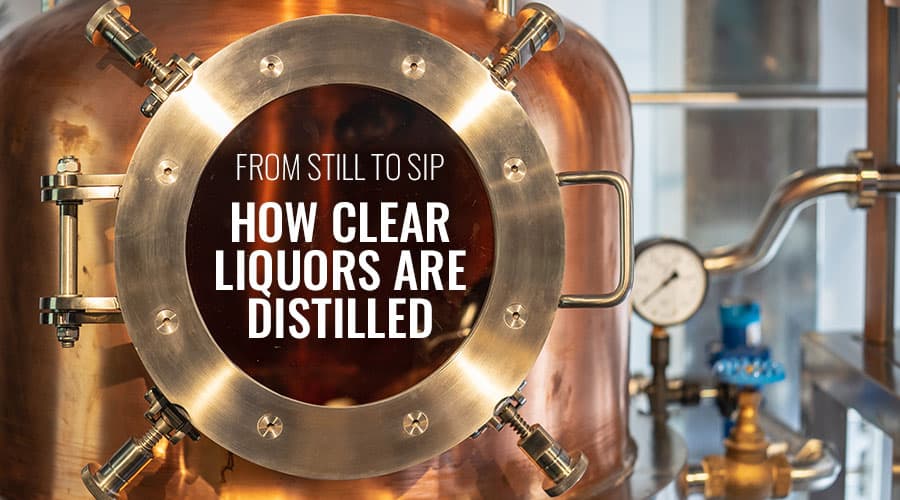
Sleek and shimmering, clear liquors like vodka, gin, blanco tequila, and white rum are staples on every bar and liquor store shelf. Despite their similar appearance, each bottle holds a spirit with a unique journey—from raw agricultural ingredients to crystal-clear perfection. Whether you're enjoying a gin and tonic, mixing a margarita, or crafting a mojito, understanding the production process certainly deepens your appreciation for the artistry in every glass.
Today on the blog, we'll explore how these clear spirits are distilled, filtered, and crafted, covering everything from pot stills to proof points.
What Are Clear Liquors?
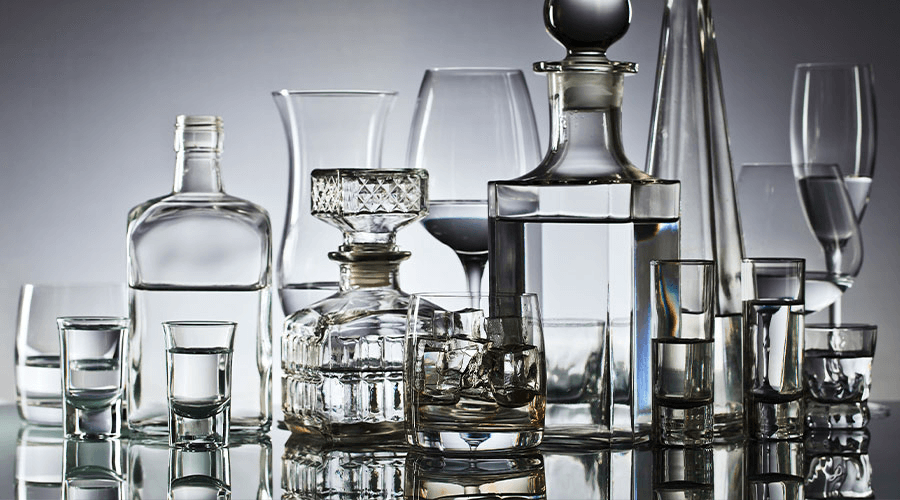
Clear spirits, also known as clear liquors, are distilled alcoholic beverages distinguished by their colorless appearance. Unlike their darker counterparts like whiskey or añejo tequila, they are either unaged or undergo minimal aging followed by filtration to preserve their transparency.
The primary reason clear spirits retain their transparency is that they typically bypass the aging process in wooden barrels. This barrel aging is precisely what imparts the rich amber or golden tones characteristic of dark liquors. Should clear spirits undergo any brief aging, they are subsequently filtered—often through charcoal—to eliminate any resulting coloration.
Distinguishing Clear from Dark Liquors
- Clear liquors: Examples include vodka, gin, blanco tequila, white rum, and soju.
- Dark liquors: This category encompasses whiskey, aged rum, and both reposado and añejo tequila.
The fundamental distinctions between these two types of spirits lie in their aging duration, interaction with barrels, and subsequent flavor development. Clear spirits accentuate the pristine nature of their distillation and the raw materials used, whereas dark spirits derive their intricate complexity from the maturation process.
Understanding Clear Spirits: A Look at Distillation
Distillation is fundamental to producing spirits. It involves heating and separating fermented liquids to concentrate alcohol and flavor. While all spirits undergo this process, the methods and base ingredients vary for each clear liquor.
Vodka: The Neutral Spirit
Vodka production starts with a fermentable base such as wheat, corn, potatoes, or grapes. After fermentation, the resulting low-alcohol liquid is distilled, often to 190 proof (95% ABV), to remove almost all flavor, creating a neutral spirit. It is then typically filtered, often with charcoal, and diluted to 80 proof (40% ABV).
Gin: Aromatic and Distinctive
Gin begins as a neutral spirit, similar to vodka, but is then redistilled with botanicals. Juniper berries are crucial, but other ingredients like citrus peel, coriander, angelica root, or cardamom may also be used. This distillation process infuses the final spirit with complex flavors, making gin notably more aromatic and unique.
Tequila Blanco: Clear and Agave-Forward
Blanco tequila, or silver tequila, is produced from fermented and distilled blue Weber agave. It is either bottled immediately after distillation or aged for a maximum of two months, usually in stainless steel or neutral barrels. This minimal or absent wood aging ensures it retains its clarity and characteristic earthy, peppery agave notes.
White Rum: Light and Versatile
White rum is distilled from molasses or sugarcane juice. Even if briefly aged, it is typically charcoal-filtered to remove any color. The outcome is a light spirit, sometimes exhibiting grassy or sweet notes, making it an ideal base for cocktails like mojitos and daiquiris.
Soju: The Korean Spirit
Traditionally made from rice, soju can also be derived from sweet potatoes, wheat, or tapioca. It is distilled to a lower proof than vodka and usually diluted to 20–25% ABV. This results in a lighter alcohol content and a smoother profile, perfect for sipping or accompanying Korean cuisine.
Vodka, Gin & Blanco Tequila – What Makes Them Unique?
Clear spirits like vodka, gin, and blanco tequila, while all distilled, offer unique characteristics stemming from their diverse ingredients and production methods.
Vodka: The Versatile Canvas
Vodka is crafted for a clean, neutral profile, making it a versatile base for cocktails. Yet, premium vodkas can subtly reveal their origin:
- Potato-based: Creamy texture
- Grain-based: Crisp and clean notes
- Grape-based: A delicate fruity hint
Gin: Aromatic and Complex
Gin stands out for its botanical richness. Juniper berries are essential, but distillers frequently incorporate a blend of 5 to over 15 botanicals, leading to a spectrum of flavors—from citrusy and floral to earthy and spiced. Craft gins, in particular, often feature innovative additions like lavender, rosemary, or tea leaves.
Blanco Tequila: Authentic Agave Expression
Blanco tequila distinctively highlights the blue agave plant. Its distillation process aims to preserve the inherent sweetness, minerality, and peppery spice of the agave. Unlike vodka or gin, blanco tequila boasts a terroir-driven flavor, reflecting the specific climate and soil where the agave was cultivated.
Distillation Techniques: Pot Still vs. Column Still
Different distillation methods significantly influence the flavor and clarity of spirits.
Pot Still
Used for:
- Small-batch gins
- Rums
- Some artisanal vodkas
Function:
- Batch distillation
- Captures more flavorful compounds
Result:
- Richer, more distinctive spirits
Column Still
Used for:
- Vodka
- Large-scale gin production
Function:
- Continuous distillation
- Highly efficient
Result:
- Cleaner, purer spirits with less flavor complexity
Ultimately, the chosen distillation method dictates the final product's desired characteristics, from a complex, botanical-forward gin to an exceptionally smooth vodka.
Filtering and Dilution
Why Filter Spirits?
Filtering plays a crucial role in crafting clear spirits, as it removes impurities, refines rough textures, and enhances the overall smoothness.
- Vodka: Typically undergoes charcoal filtration to achieve optimal smoothness.
- Gin: Lightly filtered to preserve its aromatic essential oils.
- White Rum: Charcoal filtered to remove any color acquired during its brief aging period in barrels.
What Water Is Used?
Distillers often use deionized or natural spring water, frequently sourced from their own wells, to dilute premium, high-proof spirits. The quality of this water plays a significant role in shaping the final product's flavor and texture.
Aging and Maturation
Do Clear Liquors Age?
While not required, some clear spirits—like white rum or tequila blanco—may be aged briefly in stainless steel or neutral barrels and then filtered. This smooths harsh edges while preserving clarity.
How Charcoal Filtering Works
Activated charcoal is key for clear spirits like white rum, which can get a slight tint from brief aging. It works by absorbing impurities and color compounds, ensuring the spirit remains transparent.
Regulations and Varieties
Legal Definitions
Each spirit has legal requirements:
- Vodka: Must be distilled to high purity; flavorings optional
- Gin: Must be redistilled with juniper
- Tequila Blanco: Must be from Mexico, made from 100% agave (if labeled so)
- Rum: Made from sugarcane byproducts; aging and filtration vary
Common ABV
- Vodka, gin, rum, blanco tequila: 35–40% ABV
- Soju: 20–25%
- Navy-strength gin: 57%+
Consumption and Trends
Why Are Clear Spirits So Popular in Cocktails?
In the world of mixology, clear spirits are prized for their adaptability, subtle flavors, and effortless blendability. Their pristine appearance and crisp taste provide an ideal foundation for a wide range of cocktails, enabling other components to stand out without being overshadowed. This quality makes them perfect for concocting both traditional and modern beverages, such as:
- Martinis: The quintessential clear spirit cocktail, highlighting the purity of gin or vodka.
- Margaritas: Tequila, a clear spirit (especially blanco), is the star, allowing the vibrant lime and fruity notes to come through.
- Mojitos: White rum provides a crisp base for the refreshing mint and lime.
- Gimlets: A simple yet elegant cocktail showcasing the botanical complexity of gin or the clean taste of vodka.
- Cosmopolitans: Vodka provides a neutral canvas for the cranberry, lime, and orange liqueur.
What Is Craft Vodka or Gin?
Craft spirits prioritize quality over quantity, a hallmark of the "craft" movement. Craft vodka and gin producers, for instance, often create their spirits in small batches. This meticulous approach allows for greater control throughout production, from ingredient selection to distillation. Key characteristics of craft spirits include:
- Local Ingredients: Many craft distilleries source their raw materials, such as botanicals for gin or grains for vodka, from local farms, contributing to a unique regional character.
- Traditional Methods: While innovation exists, craft distillers frequently employ time-honored distillation techniques, such as using copper pot stills, to enhance flavor and purity.
- Distinct Flavor Profiles: Unlike mass-produced spirits designed for consistency, craft varieties often boast complex and nuanced flavor profiles that reflect their unique production methods and ingredient choices. This allows consumers to explore a wider range of tastes and aromas.
Clear Liquor Trends
The clear spirits market is characterized by continuous evolution, driven by shifting consumer tastes and production advancements. Current notable trends influencing the industry include:
- Diverse Botanical Infusions: Gin distillers are pushing creative boundaries by incorporating a wider variety of botanicals beyond traditional juniper, resulting in unique and complex flavor profiles. Similarly, flavored vodkas are moving away from artificial sweetness towards more natural and refined infusions.
- Emphasis on Sustainable Production: A growing environmental awareness is leading distilleries to adopt sustainable practices such as water conservation, energy efficiency, and waste reduction. This commitment to responsible production resonates with eco-conscious consumers.
- Growth of Low-ABV Options: There is an increasing demand for lower-alcohol alternatives that do not sacrifice flavor. Clear spirits like soju and infused vodkas provide lighter choices for consumers seeking moderated consumption.
- Elevated Status of Blanco Tequila and White Rum: These spirits, traditionally used as mixers, are now being recognized for their intricate flavors and smoothness, encouraging neat sipping or use in sophisticated cocktails. This trend underscores the nuanced characteristics achievable through meticulous distillation and ingredient selection.
So, whether you're savoring the crispness of a classic martini, refreshing yourself with a vibrant mojito, or enjoying the simplicity of a tequila Ranch Water, clear liquors offer a clean slate, brimming with endless possibilities. They represent a journey from the very beginning of their creation in the still, to the moment they become your next satisfying sip. Cheers!