
The delicate drizzle of Frangelico over vanilla ice cream transforms a simple dessert into an extraordinary culinary experience. When the rich sweetness of cream liqueurs meets the decadent texture of chocolate cake, magic happens on your palate. This ancient tradition of pairing sweet spirits with desserts has evolved from European dining customs into a sophisticated art that can elevate any meal from ordinary to absolutely memorable.
Liqueur dessert pairings represent more than just matching flavors – they create harmony between complementary tastes, textures, and aromas that enhance both the drink and the sweet. Whether you’re planning an intimate dinner party or simply want to add a touch of elegance to your everyday desserts, understanding the principles behind successful pairings will transform your approach to ending a meal.
On the blog today, you’ll discover the secrets behind classic combinations, learn how to balance sweetness and alcohol content, and explore seasonal pairings that bring depth and sophistication to your dessert course. From the creamy richness of Baileys with chocolate tortes to the bright notes of limoncello paired with berry tarts, each combination tells a story of flavor harmony that will delight your guests and elevate your hosting skills.

Classic Cream Liqueur and Dessert Pairings
Cream-based liqueurs form the foundation of exceptional dessert pairings, offering rich textures and balanced sweetness that complement rather than compete with your favorite treats. These luxurious spirits bring both flavor and creaminess that can enhance the mouthfeel of desserts while adding depth to every sip.
Baileys Irish Cream: The Ultimate Chocolate Companion
Baileys Irish Cream stands as the most versatile player in liqueur dessert pairings, particularly when paired with chocolate-based treats. The whiskey base provides subtle warmth that complements the bitter notes in dark chocolate, while the cream adds richness that enhances lighter desserts. When serving Baileys with chocolate lava cake, the temperature contrast creates a delightful experience – pour the chilled liqueur over the warm cake to create an instant sauce that elevates both elements.
For tiramisu, Baileys works beautifully both as an ingredient and as a companion drink. The coffee notes in the dessert harmonize with the whiskey undertones, while the mascarpone layers echo the creamy texture of the liqueur. Serve in small cordial glasses alongside individual portions, allowing guests to sip and taste in alternating moments.
Coffee-flavored desserts find their perfect match in Baileys, creating layers of complementary flavors that build upon each other. Espresso granita, coffee ice cream, and mocha-flavored pastries all benefit from the addition of this Irish classic, either drizzled on top or served in a separate glass for alternating sips.
RumChata: Cinnamon-Spiced Perfection
RumChata’s cinnamon and vanilla notes make it an ideal partner for desserts with warm spice profiles, adding depth without overpowering delicate flavors. Its cinnamon notes naturally bridge to seasonal treats.
Perfect Pairings:
- Cinnamon Sugar Donuts: Chilled RumChata elevates these treats, mirroring their spice and balancing sweetness with its creaminess. Serve in shot glasses alongside warm donuts for an elegant touch.
- Churros: RumChata complements churros, especially those dusted with cinnamon sugar. The liqueur’s vanilla notes enhance the fried dough, while the cinnamon creates a seamless flavor transition. Consider warming the RumChata in colder months for an enhanced comfort food experience.
- Spiced Baked Goods: RumChata pairs beautifully with spiced baked goods like snickerdoodles, coffee cake, and apple crisp. Match the spice intensity: bolder desserts can handle room-temperature RumChata, while delicate spicing benefits from chilled RumChata.

Carolans Irish Cream: Vanilla-Forward Elegance
Carolans, with its distinct vanilla notes and lighter texture, is an excellent complement to cream-based desserts. It enhances rather than overwhelms the dessert experience.
Perfect Pairings with Carolans:
- Vanilla Cheesecake: Chilled Carolans elevates vanilla cheesecake. The shared vanilla notes create harmony, while the cheesecake’s slight tang provides a pleasant contrast to the liqueur’s sweetness. Enjoy it drizzled directly on the slice or served alongside in a cordial glass for optimal flavor.
- Bread Pudding with Caramel Sauce: This comfort food classic is transformed when paired with Carolans. The liqueur’s vanilla and cream notes enhance the pudding’s custard-like texture, and the whiskey base adds depth, preventing the combination from becoming overly sweet. Serve the liqueur at cellar temperature to maintain its complexity and complement the warm dessert.
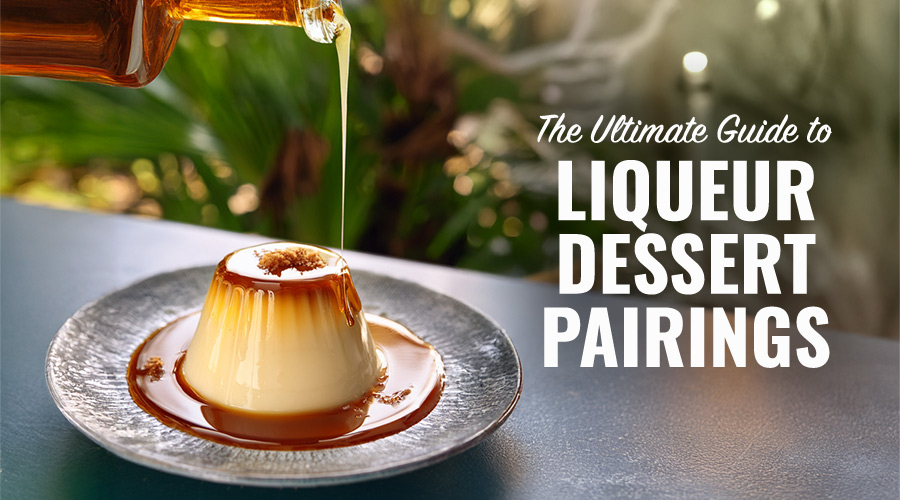
- Caramel Desserts (e.g., Flan, Caramel Apples): Carolans is an ideal partner for caramel desserts. Its vanilla notes bridge the slight bitterness of caramel with the sweet cream base, resulting in a sophisticated flavor profile that enhances both elements without overwhelming the palate.
Amarula: Tropical Sophistication
Amarula brings exotic marula fruit flavors that work exceptionally well with both traditional and tropical desserts. The brandy base provides warmth and complexity, while the fruit notes add brightness that can lighten rich desserts or complement fruit-forward treats.
Amarula, with its bright fruit character and brandy warmth, brings unexpected sophistication to an apple tart. The liqueur’s fruit notes complement the cooked apples, and its brandy base enhances the pastry’s buttery richness. Serve Amarula slightly chilled to best enjoy this pairing.
For tropical fruit desserts like coconut flan, mango sorbet, or pineapple upside-down cake, Amarula offers natural harmony. Its exotic fruit profile creates seamless flavor transitions, and its cream base adds richness to lighter fruit preparations. When pairing, balance the intensity by serving smaller portions of Amarula with intensely flavored tropical desserts.
Amarula’s unique flavor profile elevates cream-based puddings, from vanilla to butterscotch. Its fruit notes add complexity to simple preparations, while its cream base creates textural harmony. Consider incorporating Amarula directly into pudding recipes or serving it alongside for guests to add as desired.
Chocolate and Coffee Liqueur Combinations
The marriage of chocolate and coffee liqueurs with desserts represents some of the most beloved combinations in the culinary world. These spirit categories offer deep, complex flavors that can either complement similar notes in desserts or provide delightful contrast to lighter, fruitier preparations.
Kahlúa: The Coffee Liqueur Classic
Kahlúa, a prominent coffee liqueur, is an exceptional choice for dessert pairings due to its rich coffee essence and subtle sweetness. Its Mexican rum base provides a warm, complex character that enhances both chocolate and vanilla desserts, while its coffee notes naturally complement espresso-flavored treats.
Elevate chocolate cake by pairing it with Kahlúa. The liqueur’s coffee notes deepen the chocolate’s complexity, and its sweetness balances any bitterness in dark chocolate. For optimal tasting, serve Kahlúa at room temperature in small cordial glasses, allowing guests to cleanse and enhance their palates between bites.
Brownies become more refined when paired with Kahlúa. The dense, fudgy texture of premium brownies harmonizes with the liqueur’s richness, and the coffee notes add depth without overpowering the chocolate. Consider drizzling Kahlúa over warm brownies or incorporating it into a Kahlúa whipped cream.
For a simple yet elegant affogato-style dessert, combine coffee ice cream with Kahlúa. Pour the liqueur directly over scoops of quality coffee ice cream; it will create natural sauce pockets while preserving the ice cream’s structure. This temperature contrast enhances both the coffee flavors and the creamy texture.
Mozart Chocolate Liqueur: Luxury in a Glass
Chocolate liqueur brings premium chocolate flavor with a smooth, velvety texture that works beautifully with both contrasting and complementary desserts. The chocolate base provides authentic cocoa notes, while the alcohol content remains gentle enough to highlight rather than mask delicate dessert flavors.
Enhancing Desserts with Chocolate Liqueur: A Perfect Pairing Guide
Chocolate liqueur offers a sophisticated touch to a variety of desserts, creating harmonious flavor profiles and visual appeal.
Vanilla Desserts: The subtle sweetness of vanilla desserts, such as panna cotta, crème brûlée, or vanilla cake, gains unexpected depth when paired with the complex richness of chocolate liqueur. This contrast not only elevates the flavor but also adds a beautiful color distinction.
Berry Tarts: Chocolate undertones from the liqueur enhance the natural tartness of berry tarts. The acidity of the fruit provides a bright counterpoint to the rich chocolate, with the liqueur’s sweetness balancing any overly tart elements. For optimal enjoyment, serve the chocolate liqueur chilled to preserve its silky texture and allow its flavors to shine.
Nut-Based Treats: Nutty desserts like pralines, pecan pie, and hazelnut tortes find a perfect partner in chocolate liqueur. The natural oils in the nuts complement the chocolate’s richness, while the liqueur adds moisture and depth, particularly to drier nut preparations. The key is moderation; a small portion of liqueur will enhance the delicate nut flavors without overwhelming them.

Crème de Cacao: Versatile Chocolate Elegance
Crème de Cacao offers pure chocolate flavor without the cream base found in other chocolate liqueurs, making it incredibly versatile for both light and heavy dessert pairings. Available in both clear and dark varieties, it allows for creative presentation options while maintaining consistent flavor profiles.
Fruit desserts benefit tremendously from Crème de Cacao’s ability to add chocolate notes without heaviness. Strawberry shortcake, pear tart, and even citrus-based desserts gain complexity when accompanied by this liqueur. The clear version maintains visual simplicity while adding flavor depth, perfect for elegant presentations where color coordination matters.
Cookies and biscotti find their ideal liquid companion in Crème de Cacao. The liqueur’s intensity matches the concentrated flavors found in quality cookies, while its lighter texture doesn’t compete with the cookies’ crunch. Consider serving it as a dipping sauce for biscotti or drizzling it over delicate sugar cookies for added sophistication.
Cream puffs and éclairs reach new heights when paired with Crème de Cacao. The pastry’s light, airy texture provides perfect contrast to the liqueur’s intensity, while the cream filling creates harmony with the chocolate notes. For optimal presentation, drizzle the liqueur over the pastry just before serving to maintain textural integrity.
Temperature and Serving Considerations
The temperature at which you serve chocolate and coffee liqueurs significantly impacts their flavor profiles and how they interact with desserts. Coffee liqueurs like Kahlúa generally perform best at cellar temperature, which allows their complex flavors to fully express while maintaining smoothness. Chocolate liqueurs benefit from slight chilling, which enhances their silky texture while preserving their rich chocolate character.
When serving these liqueurs alongside warm desserts, the temperature contrast becomes part of the experience. Cool liqueurs provide refreshing contrast to warm chocolate cake or fresh-from-the-oven brownies, while also preventing the alcohol from becoming too prominent. For cold desserts like ice cream or chilled mousses, bringing the liqueur closer to room temperature can enhance its flavor complexity without shocking the palate.
Consider the season when selecting serving temperatures. During summer months, well-chilled chocolate and coffee liqueurs provide welcome refreshment, while winter entertaining might call for liqueurs served at cellar temperature to enhance their warming qualities. The key is maintaining consistency – serve all liqueurs at the same temperature during a single meal to avoid confusing your guests’ palates.
Nut and Fruit Liqueur Dessert Matches
Nut and fruit liqueurs offer some of the most natural and harmonious dessert pairings available, as their flavors often mirror or complement the primary ingredients found in popular desserts. These liqueurs provide opportunities for both obvious matches and surprising contrasts that can elevate simple desserts to gourmet status.
Frangelico: Hazelnut Sophistication
Frangelico’s distinctive hazelnut flavor and elegant bottle design make it a favorite for both sipping and culinary applications. The Italian liqueur brings authentic nut character with subtle vanilla undertones that work beautifully with chocolate, coffee, and fruit-based desserts.
Brownies achieve gourmet status when paired with Frangelico. The hazelnut notes complement chocolate’s natural affinity for nuts, while the liqueur’s sweetness enhances fudgy textures without overwhelming them. For an elevated presentation, brush warm brownies lightly with Frangelico before serving, allowing the alcohol to enhance the chocolate while the nuts add complexity. Serve additional Frangelico in small glasses for those who want to enhance their experience further.
Praline desserts find their perfect liquid companion in Frangelico. The hazelnut and praline flavors create seamless harmony, while the liqueur’s alcohol content helps cut through rich, buttery praline preparations. Whether served alongside praline ice cream, praline cheesecake, or traditional New Orleans-style pralines, Frangelico enhances the nut experience without competition.
Chocolate-nut combinations reach new heights with Frangelico pairings. Nutella-based desserts, chocolate hazelnut tortes, and nut-crusted chocolate tarts all benefit from the liqueur’s ability to intensify existing flavors while adding liquid sophistication. The key is balancing the nutty elements – desserts with prominent hazelnut flavors can handle generous Frangelico portions, while those with subtle nut notes benefit from lighter applications.
Disaronno Amaretto: Almond Elegance
Disaronno brings the classic taste of amaretto with its distinctive almond-cherry flavor profile that works exceptionally well with both traditional Italian desserts and modern interpretations. The liqueur’s moderate sweetness and complex flavor make it versatile for various pairing styles.
Almond biscotti and amaretto create one of the most traditional and satisfying liqueur dessert pairings. The twice-baked cookies’ concentrated almond flavor harmonizes perfectly with Disaronno’s profile, while the liqueur’s moisture provides pleasant contrast to the cookies’ intentional dryness. Traditional Italian custom involves dipping the biscotti directly into the amaretto, allowing the cookie to absorb just enough liquid to soften slightly while maintaining its structure.
Marzipan desserts reach their full potential when accompanied by amaretto. The almond paste’s intense flavor finds perfect balance in Disaronno’s complexity, while the liqueur’s alcohol content prevents the combination from becoming overly sweet. Marzipan-covered cakes, almond paste cookies, and traditional marzipan candies all benefit from amaretto’s enhancement, whether served alongside or incorporated into the dessert preparation.
Stone fruit tarts, particularly those featuring peaches, apricots, or plums, gain sophisticated depth when paired with amaretto. The liqueur’s almond notes complement the fruits’ natural flavors, while the slight cherry undertones enhance stone fruits’ inherent complexity. Serve amaretto at cellar temperature to allow its full flavor profile to emerge while complementing the fruits’ natural sweetness.

Chambord: Raspberry Luxury
Chambord, with its rich raspberry flavor and cognac base, is a premium liqueur that enhances desserts in both taste and appearance. Its deep purple hue offers a dramatic visual, and its complex flavor profile complements a wide range of dessert combinations, from the obvious to the unexpected.
For chocolate desserts, Chambord provides a bright, fruity contrast. The raspberry notes balance the richness of chocolate preparations, while the cognac base adds warmth and complexity. Dark chocolate mousse, tortes, and truffles all benefit from Chambord’s ability to brighten heavy chocolate flavors without overwhelming them. Serve Chambord slightly chilled to preserve its vibrant fruit character.
Unexpectedly, lemon tarts find harmony with Chambord’s raspberry profile. The citrus acidity and berry tartness create a complementary brightness, with both flavors benefiting from the liqueur’s underlying cognac warmth. This pairing is ideal for spring and summer gatherings, offering a refreshing contrast to heavier meal courses.
Cream-based sweets such as panna cotta, crème brûlée, and cheesecake gain both flavor and visual appeal when paired with Chambord. The raspberry notes cut through rich cream preparations, and the liqueur’s natural color creates beautiful presentation opportunities. Drizzling Chambord over vanilla or white chocolate desserts results in stunning visual contrast and enhanced flavor.
Grand Marnier and Cointreau: Orange Sophistication
Orange liqueurs, such as Grand Marnier and Cointreau, offer versatility in dessert pairings, either complementing fruit-based dishes or providing a refreshing contrast to richer options. Both are premium choices, but their distinct characteristics suit different pairing styles.
Grand Marnier, with its cognac base, offers warmth and complexity, making it an excellent partner for chocolate mousse. Its orange notes brighten the chocolate’s richness, while the cognac adds depth, preventing the combination from becoming too light. The liqueur’s inherent sweetness balances any bitterness from dark chocolate, creating a sophisticated harmony suitable for both casual and formal occasions.
Cointreau’s cleaner orange profile is ideal for citrus desserts where flavor clarity is paramount. Lemon bars, orange tarts, and citrus sorbets all benefit from Cointreau’s ability to intensify existing citrus notes without muddying the flavors. Its clear color maintains visual purity in light-colored desserts, and its concentrated orange flavor enhances rather than competes with the primary citrus elements.
The classic European combination of chocolate and orange is beautifully handled by both liqueurs. Orange-chocolate tarts, chocolate orange mousse, and even simple orange-flavored chocolate gain authenticity and depth when paired with quality orange liqueurs. The choice between Grand Marnier and Cointreau depends on whether you prefer the added complexity of cognac or the pure orange intensity of triple sec.
Limoncello: Italian Sunshine
Limoncello, with its bright lemon flavor and refreshing character, is an ideal choice for lighter desserts and summer entertaining. Its clean citrus profile acts as an excellent palate cleanser or a vibrant counterpoint to richer dishes.
Berry desserts naturally harmonize with limoncello’s citrus brightness. Whether it’s strawberry shortcake, mixed berry tarts, or fresh berry preparations, the lemon enhances fruit flavors and provides acidic balance. The liqueur’s sweetness complements the berries’ tartness, while its bright nature keeps fruit desserts from becoming too heavy.
Vanilla panna cotta is elevated to elegant heights when paired with limoncello. The lemon’s brightness perfectly contrasts the subtle sweetness of vanilla, and the liqueur’s light character doesn’t overshadow the dessert’s delicate texture. For an optimal presentation, serve limoncello in small cordial glasses alongside the panna cotta, allowing guests to alternate between the creamy dessert and the bright liqueur.
Light sponge cakes gain a sophisticated finishing touch when accompanied by limoncello. The citrus notes enhance vanilla or almond-flavored cakes, and the liqueur’s alcohol content provides a gentle warmth that complements the cakes’ airy texture. Consider brushing limoncello directly onto cake layers or serving it on the side for guests to drizzle as they prefer.
Seasonal Holiday Liqueur Pairings
The holiday season brings opportunities to create memorable dessert experiences through thoughtful liqueur pairings that capture the spirit of celebration. Seasonal liqueurs and traditional holiday desserts combine to create comfort, warmth, and festive sophistication that transforms ordinary gatherings into special occasions.
Eggnog Liqueurs: Holiday Tradition in a Bottle
Eggnog liqueurs capture the essence of Christmas morning in liquid form, bringing together cream, spices, and warming spirits that pair naturally with traditional holiday desserts. These seasonal offerings provide convenience and consistency while delivering authentic holiday flavors that enhance rather than compete with favorite holiday treats.
Gingerbread cookies find their perfect liquid companion in eggnog liqueurs. The warming spices in both elements create seamless harmony, while the liqueur’s cream base provides rich contrast to the cookies’ firmer texture. Traditional gingerbread houses, soft gingerbread cake, and even gingerbread ice cream all benefit from eggnog’s ability to intensify holiday spice profiles while adding luxurious richness.
Spice cakes, from traditional fruitcake to modern spiced layer cakes, reach new heights when paired with quality eggnog liqueur. The cinnamon, nutmeg, and vanilla notes in eggnog enhance similar spices in baked goods, while the alcohol content helps carry spice flavors across the palate. For optimal results, serve eggnog liqueur slightly chilled to balance the warming spices while maintaining its creamy character.
Traditional holiday desserts like bread pudding, rice pudding, and holiday trifles gain sophisticated finishing touches through eggnog pairings. The custard-like qualities in eggnog liqueur complement cream-based desserts, while the seasonal spicing adds complexity to simple preparations. Consider incorporating eggnog liqueur directly into dessert recipes or serving it alongside for guests to add according to their holiday spirit.

Peppermint Liqueurs: Winter Refreshment
Peppermint-flavored liqueurs bring cooling refreshment to winter entertaining while providing perfect contrast to rich holiday desserts. These seasonal specialties offer clean, bright flavors that can cleanse the palate or add festive flair to chocolate-based preparations.
RumChata Peppermint Bark represents modern innovation in seasonal liqueur pairing. The combination of cinnamon-vanilla base with peppermint creates complex flavor layering that works beautifully with chocolate desserts. The cooling peppermint provides refreshing contrast to warm chocolate cake, while the underlying spice notes add depth that prevents the combination from becoming too simple.
Chocolate desserts gain festive character when paired with peppermint liqueurs. The cooling menthol provides perfect contrast to chocolate’s richness, while the sweetness in peppermint liqueurs balances any bitterness from quality dark chocolate. Hot chocolate, chocolate mousse, and chocolate cookies all benefit from peppermint’s ability to add brightness without overwhelming chocolate’s complexity.
Candy cane treats and peppermint-flavored desserts create obvious but satisfying combinations with peppermint liqueurs. The key lies in balancing intensity – strong peppermint desserts can handle robust peppermint liqueurs, while subtle mint preparations benefit from lighter applications. Consider using peppermint liqueurs as ingredients in whipped cream or drizzling sauces for added sophistication.
Cinnamon and Apple Liqueurs: Autumn Warmth
Apple and cinnamon liqueurs capture the essence of autumn comfort while providing perfect companions for traditional fall and winter desserts. These warming spirits enhance the season’s favorite flavors while adding sophistication to simple preparations.
Apple pie becomes a gourmet experience when paired with quality apple liqueur. The concentrated apple flavor in the liqueur enhances the pie’s fruit filling, while the alcohol content adds warmth that complements traditional pie spices. For optimal results, warm the apple liqueur slightly before serving to enhance its comforting qualities while allowing the apple character to shine.
Apple crumble and apple crisp gain sophisticated depth when accompanied by cinnamon liqueur. The warming spice enhances the desserts’ natural cinnamon content, while the liqueur’s sweetness balances any tartness from the apples. The alcohol provides gentle warming that makes these desserts perfect for cold winter evenings.
Warm fruit desserts, from poached pears to baked apples, find natural harmony with both apple and cinnamon liqueurs. The fruit’s natural sweetness complements the liqueurs’ profiles, while the warming alcohol enhances the desserts’ comforting qualities. Consider incorporating these liqueurs directly into the cooking process or serving them alongside for guests to add warmth and sophistication.
Brandy and Cognac: Classic Holiday Elegance
Elevate Your Holiday Desserts with Brandy and Cognac
Brandy and cognac are the quintessential holiday spirits, offering complex flavors and a comforting warmth that perfectly complement traditional festive desserts. They provide an elegant finishing touch to any memorable meal.
Enhancing Fruit Desserts:
Quality brandy truly brings out the best in dried fruit desserts. Classic dishes like Christmas pudding, fruitcake, and dried fruit compotes are elevated by brandy’s ability to intensify fruit flavors while adding depth and warmth. The alcohol in brandy helps to distribute these flavors across the palate, creating a sophisticated balance with sweet preparations.
Pairing with Chocolate Truffles:
Chocolate truffles gain an extra layer of luxury when accompanied by cognac. The intricate flavors of a good cognac harmonize with chocolate’s richness, while its warming properties enhance the truffles’ delightful melt-in-your-mouth quality. For an optimal pairing, select a cognac with flavor notes that complement your chocolate: vanilla and caramel notes pair beautifully with milk chocolate, while more complex profiles enhance dark chocolate creations.
Adding European Charm to Festive Puddings:
Traditional holiday desserts such as trifle and syllabub acquire an authentic European character when paired with brandy or cognac. These classic spirits have a long-standing association with holiday entertaining, bringing a sense of tradition and sophistication to special occasion dining. The key is to serve appropriate portions, ensuring the spirits enhance rather than overpower the delicate dessert flavors.
Holiday Presentation Ideas
Creating memorable holiday presentations requires attention to both flavor and visual appeal. Consider serving seasonal liqueurs in appropriate glassware that enhances the festive atmosphere – cut crystal cordial glasses for formal occasions, or colorful glass cups for casual family gatherings.
Temperature plays a crucial role in holiday pairings. Warm apple and cinnamon liqueurs slightly for maximum comfort appeal, while keeping cream-based holiday liqueurs properly chilled to maintain their texture and flavor balance. The contrast between warm desserts and cool liqueurs can enhance both elements when properly executed.
Garnish options for holiday liqueur pairings include fresh herbs like rosemary or thyme, citrus peels, or even edible flowers for special occasions. Cinnamon sticks make excellent stirrers for apple liqueurs, while fresh mint provides a beautiful contrast to chocolate and peppermint combinations.
Consider creating themed flights of holiday liqueurs served alongside complementary desserts. This approach allows guests to explore different combinations while discovering their personal preferences. Provide tasting notes or pairing suggestions to help guests navigate the experience and enhance their appreciation for thoughtful flavor combinations.
Serving Techniques and Presentation Ideas
The way you serve liqueur dessert pairings can dramatically impact both the flavor experience and the overall impression of sophistication at your table. Proper presentation elevates simple combinations into memorable culinary moments that guests will discuss long after the evening ends.
Glassware Selection: The Foundation of Elegance
Choosing appropriate glassware for liqueur service requires understanding how glass shape affects both aroma concentration and portion control. Cordial glasses, with their small bowls and elegant stems, provide perfect portions while concentrating aromatic compounds that enhance the liqueur experience. These traditional glasses typically hold 1-2 ounces, which provides optimal tasting portions without overwhelming the dessert course.
Shot glasses offer casual presentation options that work well for interactive dining experiences where guests might prefer to control their own liqueur portions. The straight sides and wide opening make shot glasses ideal for layered presentations or when serving multiple liqueurs for comparison tasting. Choose quality glass or crystal shot glasses to maintain elegance even in casual presentations.
Dessert spoons provide unique serving opportunities for liqueurs that will be consumed directly with dessert elements. Small silver or stainless steel spoons can hold appropriate liqueur portions for drizzling or sipping, while also serving as elegant table accessories that enhance formal presentation. This approach works particularly well for cream-based liqueurs that complement the dessert’s texture.
Temperature Control: Optimizing Flavor Expression
Understanding optimal serving temperatures for different liqueur categories ensures maximum flavor expression while maintaining proper balance with dessert elements. Cream-based liqueurs perform best when served well-chilled, typically between 35-40°F, which maintains their silky texture while preventing separation that can occur at higher temperatures.
Fruit liqueurs benefit from slight chilling that enhances their bright, fresh character without dulling their natural fruit flavors. Serve berry and citrus liqueurs at cellar temperature (50-55°F) during warm weather, or at room temperature during winter months when their warming qualities provide comfort and depth.
Nut and chocolate liqueurs require careful temperature consideration based on their base spirits and intended pairing style. Lighter nut liqueurs like amaretto perform well when slightly chilled, while richer preparations like Frangelico can handle room temperature service that allows their complex flavors to fully develop. Chocolate liqueurs generally benefit from slight chilling that maintains their smooth texture while preserving their rich chocolate character.
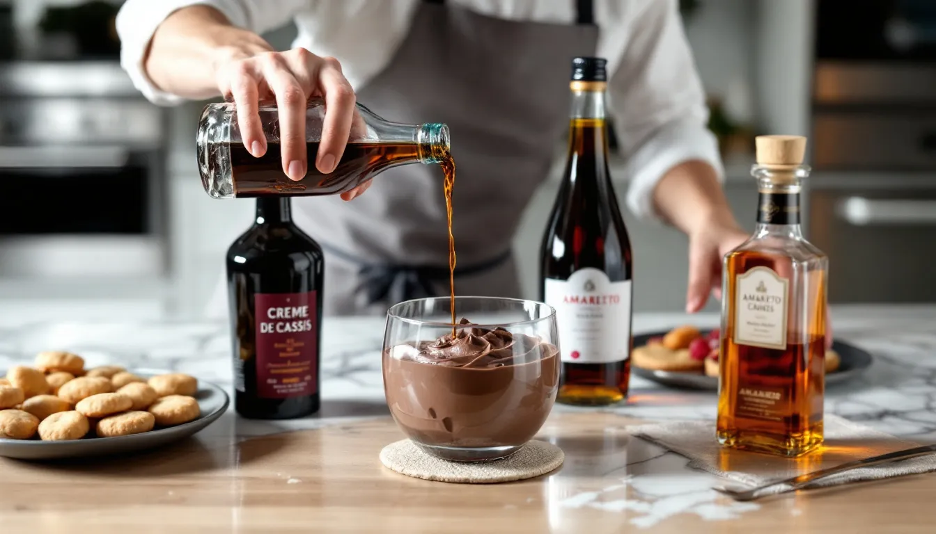
Drizzling Techniques: Artful Application
Mastering liqueur drizzling techniques transforms simple desserts into restaurant-quality presentations that impress guests while enhancing flavor distribution. The key to successful drizzling lies in understanding liqueur viscosity and dessert surface characteristics that affect flow patterns and absorption rates.
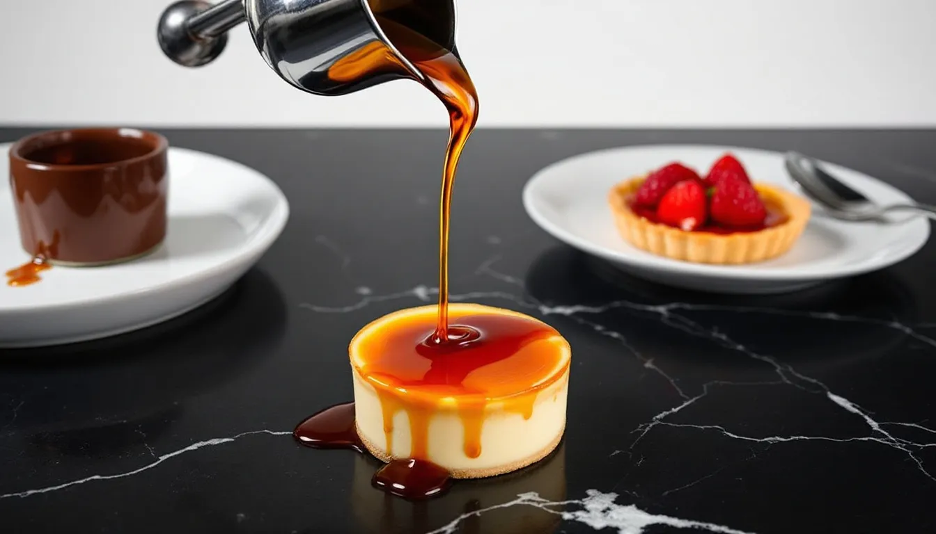
For dense desserts like chocolate cake or brownies, create slow, controlled drizzles that allow the liqueur to soak slightly into the surface while maintaining visual appeal. Hold the bottle or pour spout approximately 6 inches above the dessert and create steady, overlapping patterns that ensure even distribution without oversaturating any single area.
Light desserts like mousses or panna cotta require gentler drizzling techniques that preserve their delicate structure while adding flavor enhancement. Use dessert spoons or small pour spouts to create precise applications that enhance without overwhelming. Consider drizzling liqueurs around the dessert rather than directly on top to maintain textural integrity while providing aromatic enhancement.
Frozen desserts like ice cream or sorbet benefit from immediate service after liqueur application to prevent excessive melting while maximizing flavor impact. Create small pools of liqueur around scoops rather than covering the entire surface, allowing guests to control their flavor experience while maintaining the dessert’s structure and temperature.
Affogato-Style Presentations: Italian-Inspired Elegance
The affogato concept – pouring hot espresso over gelato – translates beautifully to liqueur applications that create similar dramatic presentations with enhanced flavor complexity. This technique works particularly well for premium liqueurs served over quality ice cream or gelato.
Create spectacular presentations by pouring room-temperature liqueurs over frozen desserts at the table, allowing guests to witness the transformation while experiencing the aromatic release that occurs when alcohol meets cold temperatures. This approach works exceptionally well with coffee liqueurs over vanilla ice cream, chocolate liqueurs over hazelnut gelato, or fruit liqueurs over complementary sorbet flavors.
The timing of affogato-style presentation requires coordination between liqueur temperature and serving speed. Bring liqueurs to appropriate serving temperature before beginning dessert service, and have all glasses and serving implements ready to ensure smooth execution. The goal is creating a seamless presentation that maintains both liqueur character and dessert integrity.
Consider offering multiple liqueur options for affogato-style service, allowing guests to choose their preferred combination while experiencing the interactive element of tableside preparation. This approach works particularly well for dinner parties where the presentation becomes part of the entertainment value.
Layered Dessert Shooters: Modern Innovation
Layered dessert shooters represent modern creativity in liqueur presentation, combining multiple elements in tall, narrow glasses that showcase both ingredients and technique. These presentations work well for parties where individual portions and visual appeal matter more than traditional service styles.
Create successful layers by understanding the specific gravity of different liqueurs and dessert components. Heavier, sweeter elements settle at the bottom, while lighter, less dense components float on top. This natural physics creates beautiful visual effects while allowing guests to experience different flavor combinations as they consume each layer.
Popular layered combinations include chocolate liqueur, vanilla ice cream, and whipped cream infused with coffee liqueur. The contrast in colors, textures, and flavors creates both visual appeal and complex taste experiences that evolve as guests consume each layer. Use tall, narrow glasses that showcase the layering while providing appropriate portion sizes.
Timing becomes crucial for layered presentations, as temperature differences can cause unwanted mixing or separation. Prepare components at their optimal temperatures and assemble immediately before service to maintain distinct layers while ensuring proper flavor expression from each element.
Whipped Cream Infusions: Elevated Accompaniments
Incorporating liqueurs into whipped cream creates sophisticated accompaniments that enhance both presentation and flavor while providing textural contrast to various dessert styles. This technique allows for subtle liqueur integration that enhances without overwhelming delicate dessert flavors.
Create liqueur-infused whipped cream by adding 1-2 tablespoons of chosen liqueur to every cup of heavy cream before whipping. The alcohol content will slightly affect the whipping process, so monitor texture carefully to achieve optimal consistency without over-whipping. The resulting cream will carry subtle liqueur flavors while maintaining the light, airy texture that makes whipped cream such a popular dessert accompaniment.
Different liqueurs create distinct flavor profiles in whipped cream applications. Amaretto adds subtle almond notes that complement fruit desserts, while chocolate liqueurs create rich accompaniments for vanilla or coffee-flavored preparations. Fruit liqueurs brighten heavy desserts while adding complexity to simple preparations like pound cake or angel food cake.
Presentation options for liqueur-infused whipped cream include traditional dollops alongside dessert portions, piped rosettes for formal presentations, or even tableside preparation using whipped cream dispensers that allow for interactive service. The key is matching the presentation style to the overall dining experience while ensuring the liqueur enhancement remains subtle and sophisticated.
Incorporating Liqueurs into Dessert Recipes
Beyond serving liqueurs alongside desserts, incorporating these spirits directly into dessert preparations creates deeper flavor integration and more sophisticated final products. Understanding how alcohol behaves in different cooking and preparation methods ensures successful results while maximizing flavor development.
Substitution Techniques: Replacing Traditional Extracts
Liqueurs can successfully replace vanilla extract and other flavoring agents in most dessert recipes, though understanding proper substitution ratios prevents overpowering delicate flavor balances. The general rule involves replacing each teaspoon of vanilla extract with one tablespoon of liqueur, though this ratio requires adjustment based on the liqueur’s alcohol content and flavor intensity.
When substituting amaretto for almond extract, use approximately two tablespoons of liqueur for each teaspoon of extract, as amaretto’s flavor profile is more subtle than concentrated almond extract. This substitution works particularly well in cookies, cakes, and cream-based desserts where the almond flavor can develop throughout the preparation process.
Chocolate liqueurs can replace vanilla extract in chocolate desserts while adding depth and complexity that pure vanilla cannot provide. Use equal volumes when substituting chocolate liqueur for vanilla, but reduce other liquid ingredients slightly to maintain proper consistency. This technique works exceptionally well in brownies, chocolate cakes, and chocolate mousse preparations.
Coffee liqueurs like Kahlúa can replace both vanilla extract and instant coffee in dessert recipes, providing both flavor enhancement and liquid content. Use two tablespoons of coffee liqueur to replace each teaspoon of vanilla extract plus each teaspoon of instant coffee, adjusting other liquid ingredients as necessary to maintain recipe balance.
Soaking Techniques: Moisture and Flavor Enhancement
Soaking cake layers, ladyfingers, and other porous dessert components with liqueurs creates moisture while infusing deep flavors that develop throughout the dessert’s resting period. This technique requires understanding absorption rates and flavor intensities to achieve optimal results without oversaturating delicate preparations.
For tiramisu and similar layered desserts, create soaking solutions by combining coffee with complementary liqueurs like Kahlúa, amaretto, or rum. The ratio should favor coffee for traditional preparations, using approximately one part liqueur to three parts coffee. This balance provides flavor enhancement without overwhelming the coffee character that defines classic tiramisu.
Cake soaking requires lighter applications that enhance without oversaturating. Create simple syrups by combining equal parts water and sugar, then adding liqueur at a ratio of one part liqueur to two parts syrup. This dilution prevents overpowering while ensuring even distribution throughout cake layers. Brush or sprinkle the mixture evenly across cake surfaces, allowing absorption before adding additional layers or frosting.
Ladyfinger cookies and similar dry preparations can handle more concentrated liqueur applications due to their intended purpose as moisture-absorbing components. Dip ladyfingers quickly in undiluted liqueur or liqueur-coffee mixtures, ensuring even coating without complete saturation that could cause structural breakdown.
Sauce and Glaze Preparations: Liquid Enhancement
Creating liqueur-enhanced sauces and glazes provides versatile accompaniments that can transform simple desserts while showcasing premium spirits. These preparations allow for controlled alcohol content while maintaining complex flavors that enhance rather than compete with primary dessert elements.
Caramel sauces gain sophisticated depth when enhanced with bourbon, rum, or brandy. Add liqueur during the final cooking stages to preserve alcohol content while ensuring proper integration. Use approximately two tablespoons of liqueur per cup of finished caramel, adding gradually while stirring to prevent separation or crystallization.
Chocolate ganache benefits tremendously from liqueur addition, which creates silky texture while adding flavor complexity. Add room-temperature liqueur to warm ganache after removing from heat, stirring gently to ensure even distribution. Grand Marnier, Chambord, or amaretto work particularly well, using one to two tablespoons per cup of finished ganache.
Berry sauces made from fresh or frozen fruit can incorporate complementary fruit liqueurs that intensify natural flavors while adding alcohol warmth. Add liqueur after cooking fruit but before final straining, allowing flavors to meld while maintaining bright fruit character. Chambord with raspberry sauce or limoncello with mixed berry preparations create particularly successful combinations.
Alcohol Burn-Off Considerations: Managing Alcohol Content
Understanding how cooking time and temperature affect alcohol retention ensures appropriate alcohol levels in finished desserts while maximizing flavor development. Alcohol evaporation rates depend on cooking method, time, and temperature, with longer cooking times at higher temperatures removing more alcohol content.
Baked desserts like cakes and cookies retain minimal alcohol when cooked at standard baking temperatures (325-375°F) for normal durations. Most alcohol evaporates during the first 15-20 minutes of baking, leaving primarily flavor compounds that enhance the finished product without providing intoxicating effects.
No-bake desserts and cold preparations retain full alcohol content unless specifically treated to reduce it. Mousses, ice creams, and refrigerated desserts will maintain the original liqueur’s alcohol percentage, which should be considered when serving to children or alcohol-sensitive individuals. These preparations require smaller liqueur portions to prevent overwhelming alcohol presence.
Flambéing techniques can dramatically reduce alcohol content while creating spectacular presentation effects. This method burns off much of the alcohol while concentrating flavor compounds, though complete alcohol removal requires sustained burning that may negatively affect texture in delicate desserts.
Storage and Shelf-Life Guidelines: Maintaining Quality
Liqueur-enhanced desserts require specific storage considerations that account for both the alcohol content and the dessert’s base ingredients. Understanding how alcohol affects preservation and texture helps maintain quality while ensuring food security throughout appropriate storage periods.
Cream-based desserts enhanced with liqueurs generally maintain longer freshness than their non-alcoholic counterparts due to alcohol’s preservative properties. However, they still require refrigeration and should be consumed within the same timeframe as similar non-alcoholic preparations. The alcohol content is typically insufficient to significantly extend safe storage periods.
Baked goods with incorporated liqueurs can often be stored at room temperature for slightly longer periods than traditional baked desserts, though this depends more on the base recipe than the alcohol addition. Proper wrapping and storage remain essential for maintaining texture and preventing staleness regardless of alcohol content.
Frozen desserts like ice cream and sorbet enhanced with liqueurs may have slightly softer textures due to alcohol’s effect on freezing points. Store these desserts at consistent temperatures and consume within recommended timeframes to maintain optimal texture and flavor development.
Alcohol-Free Alternatives: Inclusive Options
Creating non-alcoholic versions of liqueur-enhanced desserts ensures inclusive dining experiences while maintaining complex flavor profiles that make these combinations appealing. Understanding flavor extracts and alternative ingredients helps recreate desired tastes without alcohol content.
Almond extract can substitute for amaretto in most applications, though the intensity differs significantly. Use approximately one-quarter teaspoon of almond extract for each tablespoon of amaretto called for in recipes, adjusting to taste preferences. Add additional vanilla extract to compensate for amaretto’s subtle vanilla notes.
Coffee extract or strong espresso can replace coffee liqueurs in most preparations, though additional sweetener may be necessary to match liqueur sweetness levels. Combine strong coffee with simple syrup at a one-to-one ratio to approximate Kahlúa’s flavor and sweetness profile in dessert applications.
Fruit juices concentrated through reduction can approximate fruit liqueur flavors while maintaining natural fruit character. Reduce fresh fruit juices by half through gentle simmering, then add sugar to achieve desired sweetness levels. This technique works particularly well for berry and citrus applications where bright, natural flavors matter more than alcohol complexity.
FAQ
How much liqueur should I serve with each dessert portion?
The ideal serving size for liqueur with desserts typically ranges from 0.5 to 1 ounce per person, depending on the liqueur’s alcohol content and the formality of the occasion. For cream-based liqueurs like Baileys or RumChata, 1 ounce provides optimal flavor enhancement without overwhelming the dessert. Stronger spirits like cognac or high-proof fruit liqueurs work best in 0.5-ounce portions. Consider your guests’ alcohol tolerance and provide smaller portions for casual dining, reserving larger servings for special celebrations where the liqueur pairing is a featured element of the meal.
Can I make liqueur pairings work for guests who don’t drink alcohol?
Absolutely! Create alcohol-free versions using concentrated extracts, fruit reductions, and flavored syrups that capture the essence of liqueur flavors without alcohol content. For amaretto alternatives, combine almond extract with simple syrup and a touch of vanilla. Replace coffee liqueurs with strong espresso mixed with sugar syrup. Fruit liqueurs can be mimicked using reduced fruit juices sweetened to match the original liqueur’s profile. Additionally, consider serving the same desserts with premium hot chocolate, flavored coffees, or dessert teas that provide sophisticated beverage pairings without alcohol.
Which liqueurs work best for baking versus serving alongside desserts?
Liqueurs with lower alcohol content and subtle flavors generally work better for baking, as high heat can concentrate alcohol flavors unpleasantly while delicate flavors may disappear entirely. Amaretto, chocolate liqueurs, and fruit brandies typically bake well and maintain their character through cooking processes. Coffee liqueurs like Kahlúa excel in both applications but provide different experiences – baked preparations offer subtle background notes, while served liqueurs provide more pronounced flavor impact. For maximum versatility, choose medium-intensity liqueurs that can enhance baked goods without overwhelming while still providing satisfying sipping experiences when served alongside desserts.
How do I prevent cream-based liqueurs from curdling when mixed with acidic desserts?
Prevent curdling by controlling temperature differences and acid levels when combining cream liqueurs with citrus or berry desserts. Always bring cream liqueurs to room temperature before combining with acidic elements, and add them gradually while stirring gently. For desserts with high acid content, create a buffer by mixing the liqueur with a small amount of heavy cream before incorporation. When serving alongside rather than mixing with acidic desserts, keep the liqueur properly chilled and serve it separately, allowing guests to control their own combinations. If slight separation occurs, gentle stirring often resolves minor curdling without affecting flavor.
What’s the best way to store opened liqueur bottles for dessert pairing use?
Store opened liqueurs in cool, dark locations away from temperature fluctuations to maintain optimal flavor and prevent deterioration. Cream-based liqueurs require refrigeration after opening and typically maintain quality for 6-8 months when properly stored. Higher-proof liqueurs like brandy and whiskey-based spirits can be stored at room temperature in dark cabinets and remain good for years when sealed properly. Fruit liqueurs benefit from refrigeration after opening, especially during warm months, and should be consumed within 6-12 months for optimal flavor. Always ensure tight closures to prevent oxidation, and consider transferring partially used bottles to smaller containers to minimize air exposure for long-term storage.