

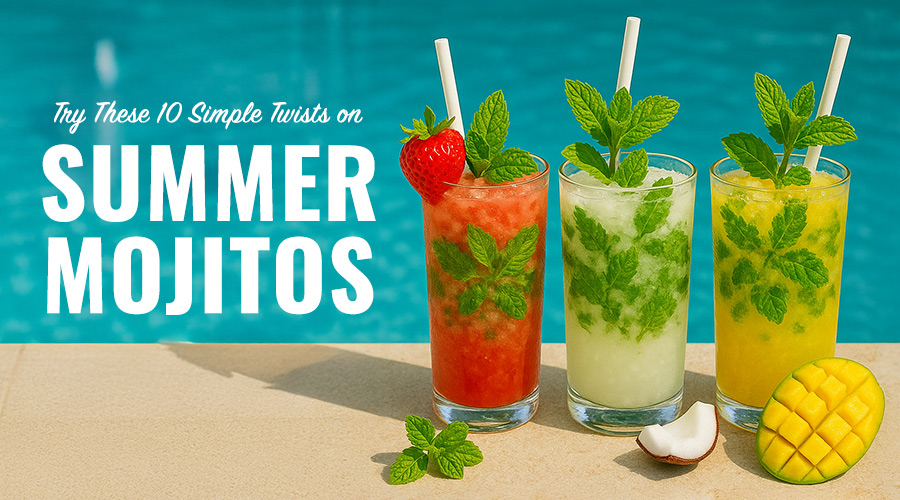
When summer heat calls for a refreshing cocktail, few drinks deliver the cooling satisfaction of a well-crafted mojito. This beloved Cuban classic has captivated drinkers worldwide since Ernest Hemingway popularized it in 1930s Havana, combining the perfect balance of white rum, fresh mint, lime juice, and effervescent club soda. But while the traditional recipe remains timeless, creative bartenders and home enthusiasts have discovered countless ways to reinvent this classic drink.
Whether you’re planning a backyard party, looking to impress guests with premium variations, or simply want to explore new flavor combinations, mojito variations offer endless possibilities for customization. From fruit-forward twists using watermelon and pineapple to spirit swaps with gin and tequila, these creative takes maintain the mojito’s refreshing essence while introducing exciting new dimensions.
Key Takeaways
- Classic mojito foundation uses white rum, fresh mint, lime juice, simple syrup, and club soda
- Fruit variations like watermelon, pineapple, and strawberry add natural sweetness and tropical flavors
- Spirit swaps with gin, tequila, or vodka create unique flavor profiles while maintaining the mojito structure
- Frozen and blended versions offer cooling alternatives perfect for summer entertaining
- Premium variations using aged rum, champagne, or craft ingredients elevate the classic recipe
- Virgin mojito mocktails provide alcohol-free options without sacrificing refreshing mint and lime flavors
Classic Mojito Foundation
Understanding the traditional Cuban recipe forms the essential building block for all successful mojito variations. Dating back to the 1500s with Ernest Hemingway’s 1930s popularization at Havana’s legendary bars, the classic mojito follows precise ratios that create its signature balance.
The International Bartender Association recognizes the official mojito recipe with specific proportions: 1.5 oz white rum, 0.75 oz fresh lime juice, 10 fresh mint leaves, simple syrup to taste, and club soda for the refreshing finish. This classic cocktail requires proper muddling technique to release mint oils without crushing leaves completely, which can introduce bitter flavors.
Serving the original recipe in a highball glass filled with crushed ice allows the ingredients to meld properly while maintaining the drink’s iconic presentation. The fresh mint garnish isn’t just decorative—it provides an aromatic enhancement that makes each sip more enjoyable. Light rum works best for the classic version, as its clean profile allows the mint and lime flavors to shine without interference from heavy barrel aging.
Proper preparation starts with gently muddling fresh mint leaves with sugar in the bottom of your glass. Add freshly squeezed lime juice, then white rum, before topping with club soda and garnishing with a lime wheel and mint sprig. The wooden spoon technique for muddling ensures you extract essential oils without destroying the delicate mint structure.

Fruit-Forward Mojito Variations
Fruit-infused mojito recipes transform the classic drink into a tropical paradise while maintaining its refreshing character. These variations utilize the traditional structure of rum, mint, and lime while introducing natural sweetness and vibrant colors that make them perfect for summer entertaining.
Watermelon Mojito
The watermelon mojito represents one of the most popular fruit variations, combining muddled fresh watermelon chunks with the classic base. This refreshing cocktail works exceptionally well with agave nectar instead of simple syrup, as the agave’s subtle sweetness complements the watermelon’s natural sugars. The prep time increases slightly due to watermelon preparation, but the delicious results justify the extra effort.
Start by muddling 2-3 chunks of fresh watermelon in your highball glass, then add fresh mint leaves and continue muddling gently. The combination creates a beautiful pink hue while the watermelon adds natural sweetness that balances the tart lime perfectly.
Pineapple and Tropical Fruit Mojitos
Pineapple mojitos elevate the tropical experience, especially when using grilled pineapple pieces that add caramelized sweetness and smoky depth. These variations pair exceptionally well with coconut rum or spiced varieties, creating a more complex flavor profile. Adding pineapple juice enhances the tropical character, though fresh muddled fruit provides superior taste and texture.
Mango mojitos offer another tropical twist, with muddled mango providing creamy sweetness that pairs beautifully with a hint of chili for those who enjoy sweet-spicy combinations. The natural sugars in ripe mango often eliminate the need for additional sweetener, making this a naturally balanced variation.
Berry-Based Variations
Strawberry mojitos use fresh strawberry puree or muddled strawberries to create a vibrant red cocktail that’s both visually stunning and deliciously sweet. The key lies in balancing the strawberries’ natural tartness with appropriate sweetener levels—ripe strawberries may need less simple syrup than you’d expect.
Blueberry and blackberry mojitos introduce antioxidant-rich berry flavors while creating gorgeous purple hues. These variations typically require slightly more muddling to release the berry juices, and the natural tartness pairs exceptionally well with the mint and lime combination. The prep time for berry mojitos increases due to fruit preparation, but batch preparation techniques can streamline the process for parties.

Spirit-Swapped Mojito Recipes
Experimenting with different base spirits creates entirely new drinking experiences while preserving the mojito’s mint-citrus structure. These variations demonstrate how the classic mojito recipe can adapt to different flavor profiles and preferences.
Gin Mojito
The gin mojito swaps white rum for London Dry gin, creating a botanical-forward version that highlights juniper and other gin botanicals. This variation works particularly well when topped with ginger beer instead of club soda, adding spicy complexity that complements gin’s herbal character. The preparation follows the classic method, but gin’s stronger flavor profile means the mint and lime need to be perfectly balanced to avoid overwhelming the drink.
Tequila Mojito
Tequila mojitos use reposado tequila and agave nectar for an authentically Mexican twist on the Cuban classic. The tequila’s earthy agave flavors create a completely different drinking experience, while agave nectar provides sweetness that harmonizes with the base spirit. Craft ginger beer as a topper adds extra zest that pairs beautifully with tequila’s natural spice.
This variation represents a perfect fusion of Mexican and Cuban cocktail traditions, creating something entirely new while respecting both cultures’ contributions to mixology.
Vodka and Bourbon Alternatives
Vodka mojitos offer the cleanest flavor profile among spirit swaps, creating a neutral canvas that allows mint and lime to dominate. Premium vodka works best here, as lower-quality spirits can introduce harsh flavors that clash with the delicate herb and citrus balance.
Bourbon mojitos introduce American whiskey’s caramel and vanilla notes, often sweetened with demerara syrup for a robust, richer flavor profile. The bourbon’s complexity requires careful balancing—too much overwhelms the mint, while too little gets lost in the mix. This variation works particularly well in cooler months when heavier flavors are more appealing.
Cachaça Mojito
The cachaça mojito adopts Brazilian sugarcane spirit, adding grassy, vegetal notes reminiscent of a Caipirinha but with mint and soda for enhanced freshness. This variation bridges the gap between Brazil’s national cocktail and Cuba’s most famous export, creating a unique South American interpretation that celebrates both rum’s sugarcane heritage and Brazil’s distilling traditions.
Premium and Elevated Variations
Upscale mojito variations employ luxury spirits, unusual liqueurs, and premium mixers to create sophisticated versions worthy of high-end establishments. These premium interpretations maintain the classic drink’s refreshing character while introducing complexity and elegance.
Champagne-Topped Variations
The Amanyara Mojito substitutes brut champagne for club soda, delivering effervescence with a celebratory feel that elevates any occasion. This premium variation requires careful technique—the champagne should be added last to preserve carbonation, and the proportions need adjustment since champagne contributes its own acidity and complexity.
Sparkling water alternatives using premium mineral waters can also enhance the drinking experience, as different mineral profiles affect both mouthfeel and flavor nuance. The bubbles from quality champagne or sparkling wine create a more refined drinking experience that justifies premium pricing.
Spiced and Liqueur-Enhanced Versions
Spiced mojitos incorporate Licor 43, a Spanish vanilla-citrus liqueur, paired with demerara syrup and aged rum for incredible depth. These variations layer multiple sweetener sources and spice infusions, creating complex flavor profiles that evolve as you drink.
Vanilla pineapple mojitos combine vanilla liqueur with premium agave nectar and fresh pineapple for creamy, tropical richness. The vanilla adds smoothness that balances pineapple’s bright acidity, while premium agave nectar provides clean sweetness without the sometimes cloying character of simple syrup.
Limoncello mojitos introduce Italian lemon liqueur for Mediterranean citrus flavors that complement fresh lime juice beautifully. The limoncello adds both sweetness and intense lemon character, reducing the need for additional simple syrup while creating a more complex citrus profile.
Coconut and Tropical Premium Options
Coconut mojitos use coconut rum and coconut water, resulting in lush tropical character while reducing overall alcohol content. The coconut water provides natural electrolytes and subtle sweetness, making these variations particularly refreshing after outdoor activities. This combination creates a drink that’s both indulgent and somewhat healthier than traditional versions.

Frozen and Blended Mojito Options
Frozen mojito preparations adapt the classic recipe for hot weather entertaining, offering cooling alternatives that maintain the drink’s essential character while providing different textures and presentation options.
Traditional Frozen Preparation
Creating the perfect frozen mojito requires blending white rum, fresh mint, lime juice, and simple syrup with crushed ice until achieving optimal slushie texture. The key lies in ice management—using “wet” slightly melting crushed ice ensures proper blendability without over-dilution. A cocktail shaker can help combine ingredients before blending, ensuring even distribution.
Temperature control becomes critical with frozen preparations. The mixture should be cold enough to maintain frozen texture but not so frozen that it becomes difficult to drink. Most frozen mojitos benefit from a brief settling period after blending to achieve the ideal consistency.
Slush-Style and Granita Variations
Slush-style mojitos perfect for pool parties emphasize semi-frozen consistency that’s easy to serve and drink. These preparations often intensify flavors since controlled water dilution concentrates the taste elements. The granita-inspired approach creates more sophisticated frozen mojitos with crystalline texture that melts pleasantly on the tongue.
Blended fruit mojitos combine frozen preparation techniques with fresh fruit additions, creating colorful, textured drinks perfect for summer entertaining. Frozen strawberries, mango chunks, or watermelon pieces can be blended directly with the other ingredients, creating natural thickness without requiring additional ice.
Serving and Presentation Tips
Frozen mojitos require different glassware considerations—wider glasses accommodate the thicker consistency better than traditional highball glasses. Garnish creativity becomes even more important with frozen versions, as the slushy texture provides an excellent canvas for creative presentations like fruit fans, edible flowers, or coconut flakes.
Batch Preparation and Party Versions
Scaling mojito recipes for groups requires attention to ingredient ratios, freshness preservation, and efficient serving methods. Successful batch preparation maintains the drink’s quality while streamlining service for large gatherings.
Pitcher Recipes and Scaling
A typical pitcher mojito recipe serving eight people maintains core proportions while scaling efficiently. Start with 12 oz white rum, 6 oz freshly squeezed lime juice, and equivalent simple syrup quantities. The key to successful scaling lies in pre-batching the spirit, lime juice, and sweetener components while adding fresh mint and club soda just before serving.
Large batch preparation for wedding receptions and major events requires careful timing. Pre-mixing the alcohol and citrus components can be done hours ahead, but the mint and carbonated elements must be added fresh to prevent wilting and flatness. This approach preserves the cocktail’s integrity while enabling efficient service.
Individual and Mason Jar Servings
Mason jar mojitos allow for individual pre-assembly while maintaining rustic charm perfect for casual outdoor gatherings. Each jar can be prepared with rum, lime juice, simple syrup, and muddled mint, then topped with club soda when ready to serve. This method combines convenience with personalization—guests can adjust their own carbonation levels and garnishes.
The mason jar approach also facilitates easy transportation for picnics and outdoor events where traditional glassware might be impractical. Pre-chilled jars maintain temperature better than thin glasses, keeping drinks cold longer in warm weather.
Garnish and Freshness Management
Batch preparation presents unique challenges for garnish preservation and mint freshness. Preparing mint stems in advance requires storing them in damp paper towels to prevent wilting, while lime wheels should be cut just before service to maintain vibrant appearance and fresh citrus oils.
Creating garnish stations allows guests to customize their drinks while reducing prep work for hosts. Offering various lime cuts, different mint varieties, and optional fruit additions lets people personalize their mojitos while maintaining consistent base preparation.
Virgin Mojito and Mocktail Alternatives
Virgin mojito variations omit alcohol while preserving the drink’s refreshing essence through enhanced mint, fresh lime, and premium mixers. These alcohol-free alternatives cater to non-drinking guests without sacrificing flavor complexity or presentation appeal.
Classic Virgin Preparation
The foundation virgin mojito uses extra fresh mint leaves, fresh lime juice, and premium club soda to create satisfying depth without alcohol. The muddling technique becomes even more important in virgin versions since there’s no spirit to carry flavors—gentle but thorough muddle the mint to release maximum essential oils.
Sparkling water selection significantly impacts virgin mojito quality. Different mineral profiles affect both mouthfeel and flavor nuance, with some brands providing more crisp carbonation while others offer smoother, softer bubbles. Premium sparkling waters justify their cost in virgin applications where they play a larger role in the final flavor profile.
Fruit-Infused Virgin Versions
Fruit-infused virgin mojitos mirror their alcoholic counterparts, using muddled or pureed fruit for natural sweetness and complexity. Watermelon virgin mojitos provide natural sugars that reduce reliance on simple syrup, while berry versions contribute tartness that mimics some of the complexity alcohol typically provides.
The absence of alcohol means fruit flavors can dominate more easily, requiring careful balance to prevent overwhelming the mint and lime elements. Fresh fruit preparation becomes crucial—overripe fruit can create overly sweet drinks, while underripe fruit may require additional sweetener to achieve proper balance.
Innovative Mocktail Approaches
Herbal tea bases offer unique foundations for virgin mojito variations. Mint tea provides concentrated mint flavor that supports fresh mint additions, while chamomile or green tea bases create entirely new flavor profiles. These approaches add complexity that compensates for alcohol’s absence while introducing healthful antioxidants.
Kombucha mojito mocktails represent an innovative approach using fermented tea’s natural acidity and carbonation. The kombucha provides tang and fizz while contributing probiotic benefits, creating drinks that are both refreshing and functional. Ginger kombucha pairs particularly well with mint and lime, adding spicy complexity that enhances the overall drinking experience.

Seasonal and Holiday Mojito Adaptations
Seasonal mojito variations adapt the classic recipe to different times of year, incorporating seasonal ingredients and flavors that make the refreshing cocktail appropriate for any celebration or weather condition.
Winter and Holiday Versions
Winter mojitos transform the traditionally summery drink into cold-weather appropriate cocktails using cranberry juice and rosemary for holiday entertaining. The cranberry adds tart sweetness and festive red color, while rosemary provides piney aromatics that complement winter celebrations. These variations often benefit from slightly less club soda to concentrate flavors.
New Year’s Eve mojitos feature champagne tops and gold rim garnishes for celebratory presentations. Gold sugar rims created by dipping glass edges in simple syrup then gold decorating sugar add visual drama while providing subtle sweetness with each sip. The champagne provides festive bubbles while elevating the drink’s perceived value.
Spring and Summer Adaptations
Spring mojitos incorporate fresh herbs like basil or cucumber for lighter profiles that celebrate the season’s renewal. Basil adds sweet, peppery notes that complement traditional mint, while cucumber provides cooling freshness perfect for warming weather. These variations often use less simple syrup since spring flavors tend to be naturally bright and don’t require heavy sweetening.
Summer solstice mojitos maximize peak mint and citrus seasonality when these ingredients are at their absolute best. Late summer versions might incorporate stone fruits like peaches or plums, taking advantage of their peak ripeness and natural sweetness. The seasonal approach ensures ingredients are both highest quality and most affordable.
Fall Adaptations
Fall mojitos integrate apple cider and warming spices like cinnamon, creating bridge drinks that maintain mojito structure while incorporating autumnal flavors. Apple cider provides natural sweetness and seasonal character, while cinnamon adds warmth that makes the drink appropriate for cooler weather.
These adaptations might use aged rum instead of light rum to provide additional depth that complements fall flavors. The combination creates drinks that feel appropriate for harvest celebrations while maintaining enough refreshing character to satisfy mojito lovers.
Expert Tips for Perfect Mojito Variations
Mastering mojito variations requires attention to ingredient selection, preparation techniques, and presentation details that separate good drinks from exceptional ones. These expert tips ensure consistent results regardless of which variation you choose to create.
Mint Selection and Storage
Choosing the right mint variety significantly impacts your mojito’s final flavor. Spearmint provides the classic sweet, mild character that works best for traditional preparations, while peppermint offers stronger, more intense flavor that can overpower delicate fruit additions. Fresh mint storage requires keeping stem ends in water with leaves loosely covered to prevent wilting.
Mint quality assessment involves examining leaves for brown spots, checking for strong aromatic character when gently rubbed, and ensuring stems appear fresh and green. Poor quality mint can introduce bitter or musty flavors that ruin even perfectly balanced recipes.
Lime and Citrus Management
Fresh lime juice remains non-negotiable for quality mojitos—bottled lime juice lacks the bright acidity and essential oils that make the drink special. Freshly squeezed lime juice should be strained to remove pulp that can create bitter flavors, and juice should be used within a few hours of extraction for optimal flavor.
Lime selection involves choosing fruits that feel heavy for their size and give slightly to pressure, indicating juiciness. Rolling limes on a hard surface before cutting helps break down internal membranes and increases juice yield.
Ice and Temperature Control
Ice quality and type dramatically affect mojito variations. Crushed ice chills rapidly and helps dissolve sugar while providing proper dilution, making it ideal for traditional preparations. Larger cubes work better for stirred premium versions where slower dilution is preferred. The quality of ice matters—cloudy ice can introduce off-flavors while crystal-clear ice provides the cleanest taste.
Temperature management extends beyond ice selection. Chilled ingredients create better final drinks, so storing rum, mixers, and glassware in refrigeration before preparation improves results. Pre-chilling glasses also helps maintain drink temperature longer.
Glassware and Presentation
Glassware selection should match the specific variation being prepared. Traditional highball glasses work perfectly for classic mojitos, while coupe glasses suit champagne-topped premium versions. Frozen variations require wider glasses that accommodate thicker consistency.
Garnish creativity enhances both visual appeal and aromatic impact. Fresh mint sprigs should be slapped gently between palms before garnishing to release aromatic oils. Fruit garnishes should complement the featured ingredients—citrus wheels with fruit-forward versions, herb sprigs with herbal variations.
Balance and Adjustment Techniques
Tasting and adjusting represents the most critical skill for successful mojito variations. Start with conservative sweetener amounts and add incrementally, as it’s easier to add sweetness than remove it. Fruit ripeness affects natural sugar content, so adjustment requirements vary with seasonal ingredients.
Understanding how different ingredients interact helps predict necessary adjustments. Tart fruits require more sweetener, while very sweet fruits might need additional lime juice for balance. Spirit swaps affect overall flavor intensity, requiring proportional adjustments to other components.
Conclusion
Mojito variations offer endless possibilities for creativity while maintaining the refreshing character that has made this classic cocktail beloved worldwide. Whether you’re crafting fruit-forward versions for summer parties, exploring premium variations for sophisticated entertaining, or preparing virgin versions for inclusive gatherings, these adaptations prove that the mojito’s foundation provides an excellent canvas for innovation.
The beauty of mojito variations lies in their flexibility—seasonal ingredients keep the drinks interesting year-round, while different preparation techniques suit various occasions from intimate dinners to large celebrations. Start with the classic foundation, then experiment with fruits, spirits, and garnishes that appeal to your taste preferences and seasonal availability.
Ready to start experimenting with your own mojito creations? Begin with one fruit-forward variation using seasonal ingredients, then gradually explore spirit swaps and premium techniques as your confidence grows. Remember that the best mojito variation is the one that brings joy to you and your guests while capturing that perfect balance of refreshing mint and lime flavors that makes every sip a taste of paradise.
FAQ
A strawberry mojito includes muddled fresh strawberries or strawberry puree, giving it a fruity sweetness and pink color.
Yes, that’s called a “vodka mojito” (or sometimes “vodkito”). It’s lighter on molasses notes since vodka is more neutral.
A coconut mojito typically adds coconut cream or coconut rum (like Malibu) to give it tropical flavor.
By adding fresh mango chunks or mango puree, plus the usual mint, lime, rum, and soda.
Pineapple juice or muddled pineapple replaces some of the lime juice, paired with rum, mint, sugar, and soda.
Yes, honey syrup (honey dissolved in a bit of warm water) works well and gives a richer sweetness.
Absolutely. Agave syrup is great in mojitos, adding a light caramel-like sweetness.
Instead of mint (or combined with it), use fresh basil for an herbal twist.
You can, but it’s less aromatic than muddling fresh mint. Still, it adds mint flavor.
It adds fresh grated ginger or ginger syrup for a spicy kick.
Yes. It becomes a tequila mojito — kind of a cross between a mojito and a margarita.
A bourbon mojito (sometimes called a “Mint Julep Mojito”) blends mojito style with julep tradition.
A blended drink using ice, making it like a mojito slushie.
Definitely. Mix mint, sugar, and lime in a pitcher, add rum, and top with club soda when serving.
Yes, that’s called a “nojito.” Just leave out the rum.
Strawberries, raspberries, blueberries, blackberries, watermelon, mango, passionfruit, and pineapple are all popular.
Yes — prosecco mojitos are popular for a festive twist.
It gives a cooling, spa-like freshness to the drink.
Muddled jalapeño slices add heat — a spicy mojito.
Coconut, mango, or lime-flavored rums deepen the flavor profile.
Made with dark rum and sometimes brown sugar or blackberries.
Yes, it makes a richer, more caramel-like mojito.
A mojito topped with champagne or cava instead of soda.
Add a bit of matcha powder for earthy notes and a green tea lift.
Lavender simple syrup adds a floral element.
You can muddle mint, lime, and sugar, add rum, and chill. Add ice & soda right before serving.
Slapping releases mint oils without tearing leaves, avoiding bitterness.
Traditionally a highball or Collins glass.
Don’t over-muddle, and serve right away. Gently press the leaves.
Yes — use a sugar substitute like erythritol or stevia.