
Tequila vs Mezcal vs Sotol: Key Differences Between Mexico’s Signature Spirits
If you’ve ever stood in front of an agave spirits section feeling overwhelmed, you’re not alone. The world of Mexican spirits has exploded beyond the familiar tequila bottle, bringing mezcal and the lesser-known sotol into the spotlight. Understanding these three distilled spirits isn’t just a drink—it’s a journey through centuries of tradition, diverse landscapes, and production methods that shape every sip.
On today’s blog, we’ll breaks down everything you need to know about tequila vs mezcal vs sotol, from the plants they come from to how they taste in your glass.
Origins and Denominations of Origin
All three spirits share deep roots in Mexican culture, but their legal identities are tied to specific places and traditions that set them apart.
Tequila’s Colonial Roots
The story of tequila begins in the 16th and 17th centuries when Spanish conquistadors brought distillation techniques to the agave-rich region around the town of Tequila in Jalisco. Before their arrival, indigenous peoples had long fermented agave nectar into pulque, a milky, slightly sweet sap-based alcoholic drink. The Spanish simply took it further.
Tequila received its official denomination of origin in 1974, making it a legally protected Mexican drink. Today, tequila production is authorized in:
- Jalisco (the heartland)
- Parts of Guanajuato
- Michoacán
- Nayarit
- Tamaulipas
Mezcal’s Ancient Legacy
Here’s something that surprises many people: tequila is technically a type of mezcal. The name “mezcal” comes from the Nahuatl word mexcalli, meaning “cooked agave.” Before tequila became its own category, all agave distillates were simply called mezcal.
The mezcal DO was established in 1994, formalizing production across multiple Mexican states. Oaxaca dominates production, but the designation also covers Durango, Guerrero, Puebla, San Luis Potosí, Zacatecas, and others.
Related spirits like raicilla (granted its own DO in 2019) and bacanora share this rich history but fall outside our main three.
Sotol’s Northern Heritage
Sotol’s story goes back even further. Indigenous peoples in what is now northern Mexico were producing fermented drinks from the sotol plant long before European contact. This tradition survived in the remote mountains and deserts of the region.
The sotol denomination of origin came in 2002, covering Chihuahua, Durango, and Coahuila—the northern Mexican states where the desert spoon grows wild. Interestingly, because Dasylirion also grows wild in west Texas and New Mexico, American producers have started making their own versions. These can’t carry the Mexican DO, but brands like Desert Door in Texas have brought attention to this unique spirit.
Plants and Raw Materials: Agave vs Desert Spoon
The flavor of any spirit starts with its source material. Understanding the plants behind these spirits explains why they taste so different.
Tequila: Blue Weber Agave Only
Tequila is made exclusively from one species: blue Weber agave. This tall, blue-grey agave plant takes 6-10 years to reach maturity in the volcanic soils of Jalisco.
The agave family is vast, but only this single variety is legally permitted for anything called tequila. Location matters too:
- Highland agaves (Los Altos region) grow in higher elevations with cooler temperatures, producing larger piñas with softer, fruitier flavors
- Lowland agaves (Tequila Valley) develop more peppery, mineral, and earthy characteristics
This is why two 100% blue agave tequilas from different producers can taste remarkably different—terroir matters even for spirits.
Mezcal: Dozens of Agave Species
Where tequila is restrictive, mezcal celebrates diversity. Over two dozen agave varieties can legally become mezcal, each contributing unique flavors:
- Espadín – The workhorse, accounting for roughly 90% of mezcal production. Reliable, balanced, and versatile.
- Tobalá – A small, wild agave that produces fruity, floral, complex spirits. Expensive due to scarcity.
- Madrecuishe – Known for herbal, minty notes and a long finish.
- Tepeztate – Wild, often growing on rocky hillsides for 25+ years before harvest. Mineral-heavy and intense.
Wild agaves can take 15-30 years to reach maturity, making some mezcals exceptionally rare and costly. This is why most mezcal comes from cultivated espadín, while wild varietals command premium prices.
Sotol: The Desert Spoon (Not Agave at All)
Here’s the key distinction: sotol comes from a different plant entirely. The desert spoon plant (Dasylirion, commonly called desert spoon or cucharilla) belongs to the asparagus family, not the agave family.
The Dasylirion plant grows wild across the Chihuahuan desert, taking 12-15 years to reach maturity. Unlike farmed agave, sotol is almost exclusively hand harvested from wild populations. Each desert spoon plant yields just one bottle of sotol—compared to multiple bottles from a single large agave piña.
This plant’s lower sugar content and fibrous heart create sotol’s distinctive lean, savory, herbal profile. The flavor is closer to the scrubby desert landscape where it grows wild than to the lush agave fields of Jalisco.
Production Methods: From Roasting to Distillation
All three spirits follow the same basic path: cook the plant hearts, ferment the sugars, and distill the result. But how producers execute each step creates dramatically different final products.
Tequila Production: Steam and Precision
Tequila production begins with skilled workers called jimadores who harvest the agave using a curved blade called a coa. They strip away the spiky pencas (leaves) to reveal the piña—the heart that looks like a giant pineapple and can weigh 30-70 kg or more.
The cooking step is where tequila diverges from its cousins. Most modern tequila is made using:
- Brick ovens (hornos) – Traditional method, slow-cooking piñas for 24-48 hours with steam
- Autoclaves – Pressurized steel containers that cook faster (8-12 hours)
Both methods use steam rather than direct fire or smoke. This produces the clean, bright flavors tequila is known for—no smoky character from the cooking process.
After cooking releases the honey water (aguamiel) from the fibers, the piñas are shredded and pressed. The sweet juice is naturally fermented in tanks for 3-7 days, then double distilled in copper or stainless steel stills to around 40% ABV.
Mezcal Production: Fire and Tradition
Mezcal’s production technique is where that famous smoky character originates. Traditional production methods have remained largely unchanged for centuries:
Roasting: Piñas are cooked in earthen pits—conical holes dug into the ground, filled with hot rocks, and covered with agave fibers and earth. They roast for 3-5 days, with smoke from the wood and charcoal penetrating the agave. This step makes all the difference.
Crushing: Many producers still use a tahona—a massive stone wheel traditionally pulled by a horse or mule—to crush the roasted agave. Others use mechanical shredders.
Fermentation: The mash ferments in open wooden vats, stone tanks, or even animal hides. Wild, ambient yeasts drive fermentation, contributing to mezcal’s complex flavor profile. Some producers include agave fibers in the ferment for additional texture and flavor.
Distillation: Most mezcal undergoes double distillation in copper pot stills. Ancestral mezcal uses clay pot stills, which impart their own subtle character. Final proof typically lands between 45-55% ABV—higher than most tequilas.
Sotol Production: A Balance of Methods
Sotol production shares more with mezcal than tequila, though with its own regional variations. Producers in Chihuahua, Durango, and Coahuila follow similar traditional paths:
Hearts of the desert spoon are roasted in conical pits or above-ground ovens. The roasting tends to be shorter than mezcal, producing lighter smoke that complements rather than dominates the spirit’s herbal character.
After crushing (by hand tools or mechanical mills), the mash undergoes open-air fermentation. Double distillation in copper stills yields spirits around 40-48% ABV.
Some American producers, like those in Texas, use more modern whiskey-style equipment, creating cleaner profiles that emphasize the plant’s natural grassiness over smoke.
The quick comparison: Tequila’s steaming = clean and bright. Mezcal’s pit-roasting = intense smoke. Sotol’s methods = subtle smoke with herbal dominance.
Legal Categories and Styles (Blanco, Reposado, Joven & More)
Beyond the base spirit, aging and official classifications affect what ends up in your bottle. These categories influence color, flavor, and price.
Tequila Categories
Mexican law defines strict aging categories for tequila:
- Blanco (Silver) – Unaged or rested up to 2 months in stainless steel. The purest expression of agave character—fresh, vegetal, slightly sweet with citrus and pepper.
- Reposado – Aged 2-12 months in oak barrels. Develops vanilla and caramel notes while softening the agave’s edges. A great middle ground.
- Añejo – Aged 1-3 years in small oak barrels. Deeper amber color, pronounced oak spice, and a sipping-focused character.
- Extra Añejo – Aged 3+ years. Complex, often whiskey-like, and commands premium prices.
- Cristalino – A filtered añejo that removes color while retaining some aged flavors. Trendy but controversial among purists.
Also important: “100% agave” versus “mixto.” Only tequilas made entirely from blue Weber agave can carry the “100% agave” label. Mixtos use at least 51% blue agave with other sugars—fine for mixing, but you’ll taste the difference.
Mezcal Categories
Most mezcal is bottled as joven (young/unaged), preserving the pure agave and production character. However, you’ll also find:
- Reposado – Rested 2-12 months in oak
- Añejo – Aged 1-3 years
These aged styles are growing more common for export markets, though traditionalists argue oak obscures mezcal’s distinctive flavors.
The mezcal DO also defines three production designations:
- Mezcal – Allows industrial methods (autoclaves, diffusers, column stills)
- Mezcal Artesanal – Requires pit or stone ovens, allows mechanical crushing, uses copper or clay pot stills
- Mezcal Ancestral – Most traditional: earthen pits only, hand-milling or tahona, fermentation with fibers, clay pot distillation
When shopping, “artesanal” or “ancestral” on the label signals traditional production methods and typically higher quality.
Sotol Categories
Sotol follows similar aging terminology:
- Plata/Blanco – Unaged, showcasing the plant’s natural character
- Reposado – A few months in oak
- Añejo – One year or more in barrels
Flavor Profiles: How They Taste Side by Side
Imagine setting up a tasting flight: three small glasses, each holding an unaged expression of these spirits. Here’s what you’d experience.
Tequila Flavor Notes
Quality blanco tequila hits your palate with brightness. Expect:
- Fresh agave sweetness—vegetal but not bitter
- Citrus notes, particularly lime and grapefruit
- White pepper spice on the finish
- Clean, slightly sweet mouthfeel
Move into reposado and añejo territory, and oak aging introduces vanilla, caramel, baking spices, and subtle tannins. Aged tequilas share DNA with lighter bourbons or aged rums—approachable for whiskey drinkers.
Mezcal Flavor Notes
First, let’s address the elephant in the room: not all mezcal is intensely smoky. Smoke levels vary dramatically based on pit size, wood type, roasting time, and producer style. Some mezcals are barely smoky; others taste like a campfire in liquid form.
Common descriptors include:
- Smoke (from pit roasting)—the signature note
- Roasted agave sweetness, like roasted peppers
- Earth and minerality
- Dried tropical fruits
- Herbs and leather
Different agave varieties bring their own character. Espadín offers balanced, versatile flavors—a good entry point. Tobalá delivers floral, fruity complexity. Tepeztate brings intense minerality and vegetal notes. The unique flavor of each varietal explains why mezcal enthusiasts become obsessive collectors.
Sotol Flavor Notes
Sotol sits in fascinating territory between its cousins. The flavor profile is:
- Herbal and grassy, like fresh-cut hay after desert rain
- Piney, with eucalyptus or juniper hints
- Sometimes olive-like or peppery
- Lighter body than mezcal
- Subtle smoke—more like distant campfire than fire pit
Many describe sotol’s character as gin-adjacent, making it appealing to fans of botanical spirits who find mezcal too aggressive. It’s drier and leaner than both tequila and mezcal.
If you like gin: Start with sotol. If you like peated Scotch: Explore smoky mezcals. If you like vodka or rum cocktails: Quality blanco tequila is your friend.
How to Drink Them: Neat, Cocktails, and Food Pairings
These spirits deserve respect—slow sipping reveals complexity that shots and bad mixers hide. But they also shine in cocktails.
Drinking Tequila
Neat: Serve quality tequila at cool room temperature in a copita or small tulip glass. Swirl, smell, sip slowly. Blanco reveals pure agave; aged expressions show oak integration.
Cocktails: Tequila anchors some of the world’s best known drinks:
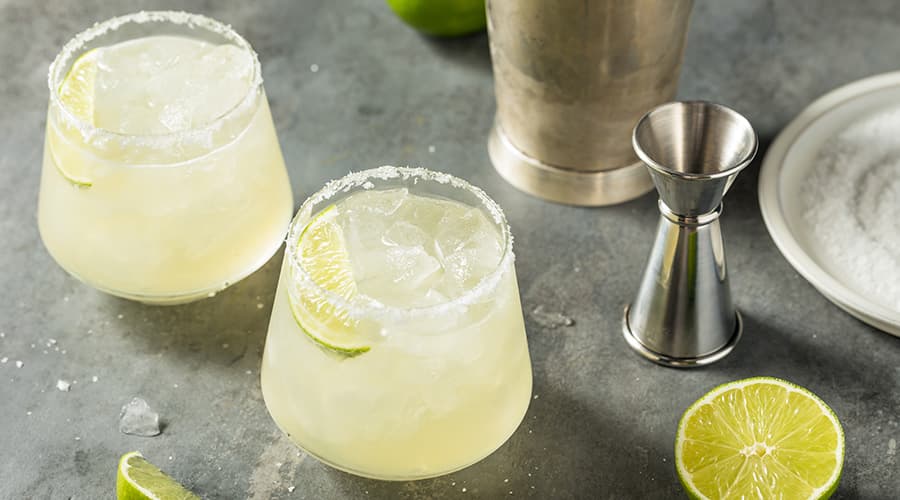
- Margarita – Blanco tequila, fresh lime juice, orange liqueur, salt rim
- Paloma – Tequila, grapefruit soda, lime, salt
- Tequila Sunrise – Tequila, orange juice, grenadine
Blanco generally works best in citrus-forward cocktails where fresh flavors should shine.
Food pairings: Tacos al pastor, ceviche, grilled seafood, fresh salsas, guacamole—anything bright and acidic complements tequila’s character.
Drinking Mezcal
Neat: The traditional way—sip slowly, sometimes accompanied by orange slices and sal de gusano (worm salt). Let each sip open on your palate; mezcal rewards patience.
Cocktails: Mezcal has taken over craft cocktail menus:
- Mezcal Margarita – Swap mezcal for tequila for a smoky twist
- Oaxaca Old Fashioned – Mezcal, tequila, agave nectar, bitters
- Mezcal Negroni – Mezcal replacing gin adds depth and smoke
Even a half-ounce of mezcal can transform a cocktail, adding complexity without overwhelming other spirits.
Food pairings: Roasted meats, barbacoa, mole sauces, smoked vegetables, grilled peppers—anything with char or depth matches mezcal’s smoky character.
Drinking Sotol
Neat: Start here to appreciate the herbal profile before adding anything. Serve at room temperature or with a single ice cube. Sotol makes a compelling case for slow sipping.
Cocktails: Sotol’s botanical character makes it surprisingly versatile:
- Swap into margaritas or palomas for an herbal twist
- Use in martini-style drinks where its gin-like notes shine
- Try in highballs with tonic or sparkling water
Food pairings: Goat or lamb dishes, grilled nopal (cactus), aged cheeses, charcuterie, herb-forward dishes—sotol’s savory notes complement rustic, earthy foods.
| Spirit | Best Neat | Best Cocktail Style | Food Pairing Ideas |
| Tequila | Blanco in copita | Citrusy (margarita, paloma) | Seafood, tacos, fresh salsa |
| Mezcal | Joven, with orange/sal de gusano | Smoky twists, old fashioneds | Barbacoa, mole, grilled meats |
| Sotol | Plata, room temp or one cube | Herbal, martini-style | Lamb, aged cheese, charcuterie |
Price, Popularity, and Global Trends
The 21st century has transformed agave based spirits from regional Mexican beverages into global phenomena. This boom brings both excitement and challenges.
Tequila’s Explosive Growth
Tequila has become the darling of the spirits world. In recent years, it surpassed American whiskey by value in US sales—a remarkable achievement driven by premium positioning and celebrity-backed tequila brands.
What’s driving prices up:
- Agave shortages from years of underplanting followed by demand spikes
- Consumer shift toward 100% agave over cheaper mixtos
- Celebrity brands (from Clooney to Kendall Jenner) driving awareness
- Premium and ultra-premium categories growing fastest
Widely known brands like Don Julio, Patrón, and Casa Dragones have positioned tequila as a luxury spirit, not just a drink for shots and spring break.
Mezcal’s Rise from Niche to Mainstream
Fifteen years ago, finding mezcal outside Mexico required serious effort. Today, most decent bars stock multiple options. US and European markets have driven double-digit annual growth.
However, this popularity creates tension:
- Artisanal production limits scale
- Wild agave harvesting strains ecosystems
- Long maturation times (sometimes 20+ years for wild species) mean supply can’t quickly respond to demand
Sustainability concerns are real. Responsible drinkers should look for producers who practice ethical harvesting and support replanting initiatives.
Sotol: The Emerging Category
Sotol remains the smallest of the three but is gaining ground. Since the late 2010s, visibility in craft bars and specialty shops has increased significantly.
Key trends:
- US-produced sotol (especially from Texas) is expanding, though it can’t carry the Mexican DO
- Prices are comparable to mid-range mezcal
- Availability remains limited outside North America
- Positioned as the sustainable alternative—wild harvesting encourages ecosystem regeneration when done responsibly
Industry projections suggest continued double-digit growth for agave-type spirits through the late 2020s. Consumers increasingly care about terroir, transparency, and environmental impact—exactly what craft sotol and artisanal mezcal producers offer.
Choosing Between Tequila, Mezcal, and Sotol
With all this information, how do you decide what to buy? Here’s a practical framework.
If you want classic cocktails and approachable flavor: Start with quality blanco or reposado tequila. Look for “100% agave” on the label. It’s the most versatile of the three and easiest to find at various price points.
If you enjoy smoke and complexity: Explore joven mezcal from transparent producers. Look for “mezcal artesanal” or “mezcal ancestral” on the label. Espadín is the best starting point before venturing into wild agave varieties.
If you like herbal, botanical spirits: Sotol is your match. It shares territory with gin and vermouth while offering something distinctly its own. Start with an unaged bottling to appreciate the pure desert spoon character.
Your First Tasting Flight
Set up three small pours—all unaged expressions:
- Blanco tequila – Note the brightness, pepper, citrus
- Joven mezcal (espadín) – Notice the smoke, earth, roasted sweetness
- Plata sotol – Feel the herbal notes, lighter body, subtle smoke
Taste in that order, from lightest to most intense. Take notes on what appeals to you. Your preferences will guide future purchases.
Label cues to look for:
- Tequila: “100% agave” or “100% de agave”
- Mezcal: “Artesanal” or “Ancestral,” specific agave variety named
- Sotol: Origin state (Chihuahua, Durango, Coahuila), wild-harvested claims
Mexico’s spirits tradition runs deeper than the margarita—each bottle represents centuries of culture, specific landscapes, and distinctive production techniques. Whether you’re drawn to tequila’s polished brightness, mezcal’s bold smoke, or sotol’s herbal mystique, you’re drinking history and terroir.
These spirits aren’t just a drink. They’re invitations to explore one of the world’s richest distilling traditions. Start with what sounds appealing, sip slowly, and don’t be afraid to venture beyond the familiar. The world of agave spirits—and their Dasylirion cousin—rewards the curious.