
Best Wine Types for Turkey
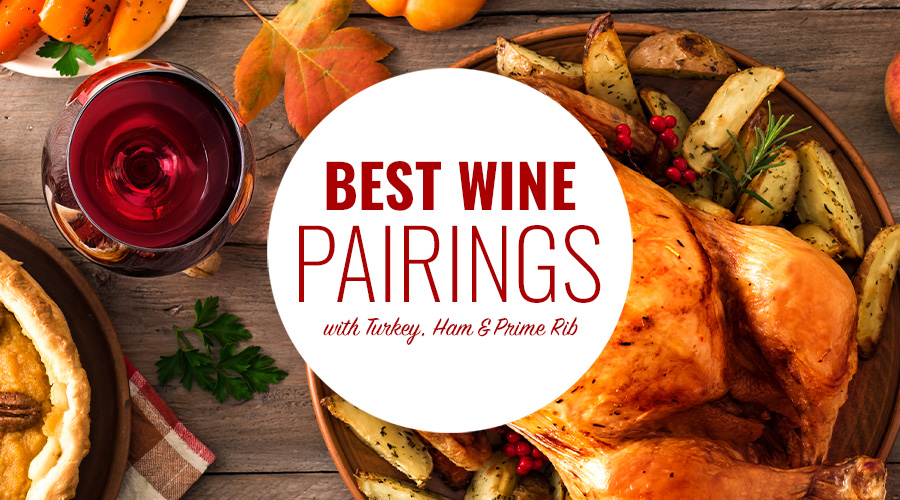
Turkey’s mild, delicate flavor profile makes it incredibly versatile for wine pairing, working beautifully with both red and white wines. The key is selecting wines that complement rather than compete with the meat’s subtle taste.
The top wine varieties for turkey include:
- Pinot Noir – Light-bodied with bright acidity and earthy undertones
- Beaujolais – Fruit forward with low tannins and food-friendly character
- Chenin Blanc – Versatile with crisp acidity and balanced sweetness
- Pinot Grigio – Clean, crisp profile that won’t overpower delicate turkey
- Riesling – Off-dry style balances turkey’s richness while pairing with sweet side dishes
The fundamental principle for pairing wine with turkey centers on choosing light to medium-bodied wines with good acidity. These characteristics ensure the wine enhances the dining experience without overwhelming the turkey’s gentle flavors. Your final wine selection can vary significantly based on your turkey preparation method and the range of accompanying dishes on your thanksgiving table.

Why These Wines Work with Turkey
Understanding why certain wines pair exceptionally well with turkey requires examining both the meat’s characteristics and the principles of successful wine pairing. Turkey offers a mild, lean protein with delicate flavors that can easily be overshadowed by wines with too much boldness or intensity.
The importance of acidity in wine becomes particularly crucial when pairing with turkey. High acidity wines help cleanse the palate between bites, cutting through any richness from turkey skin, gravy, or buttery side dishes. This refreshing quality allows each bite to taste as vibrant as the first, enhancing the overall meal experience.
Tannin levels play an equally important role in successful turkey wine pairings. Low to medium tannins work best because they provide structure without creating an overwhelming drying sensation that can clash with turkey’s tender texture. High-tannin wines tend to dominate the pairing, making the turkey taste bland by comparison.
The versatility required for thanksgiving wine pairings extends beyond just the turkey itself. Your wine selections must harmonize with a diverse array of side dishes, from sweet cranberry sauce to savory stuffing and rich gravy. This need for adaptability makes medium-bodied wines with balanced fruit and acidity the ideal choice for most thanksgiving dinners.
Wine drinkers should also consider how different cooking methods affect the turkey’s final flavor profile. Roasted turkey develops different characteristics compared to smoked or herb-crusted preparations, requiring slight adjustments to wine selections to achieve the perfect pairing.
Best White Wines for Turkey
White wines offer exceptional versatility for turkey pairings, providing fresh acidity and clean flavors that complement the meat without overwhelming its delicate character. Here are the top white wine recommendations for your thanksgiving dinner:
Chenin Blancstands out as perhaps the most food-friendly white wine for turkey. These wines typically feature bright acidity balanced with subtle fruit flavors and a hint of sweetness that pairs beautifully with both the turkey and sweeter side dishes. Look for bottles from producers in Vouvray or Saumur for exceptional quality and value.
Pinot Grigio delivers the crisp, clean profile that makes it a reliable choice for turkey dinners. Italian versions tend toward more mineral-driven character, while Oregon Pinot Gris offers more fruit forward expressions. Both styles provide the high acidity needed to cut through rich thanksgiving foods while maintaining enough body to stand up to the turkey.
Rieslingexcels at bridging the gap between savory turkey and sweet side dishes. German Rieslings from the Mosel or Rheingau regions offer exceptional balance, while domestic options from Washington State and New York provide excellent value. The natural acidity in Riesling makes it particularly effective at cleansing the palate throughout the meal.
When selecting white wines for turkey, focus on unoaked or lightly oaked options rather than heavily oaked Chardonnays. The oak flavors can dominate the pairing and clash with the subtle seasonings typically used in turkey preparation. Save those bold, buttery Chardonnays for richer dishes where they won’t overpower the main course.

Best Red Wines for Turkey
Red wine enthusiasts need not feel left out when it comes to turkey pairings. Several red wine styles offer the perfect balance of flavor and structure to complement turkey beautifully:
Pinot Noir reigns supreme among red wines for turkey, particularly expressions from Burgundy, Oregon, and California’s Russian River Valley. These wines showcase the earthiness and light-bodied character that makes them ideal turkey companions. Burgundy Pinot Noirs offer complex mineral undertones, while Oregon versions provide more fruit forward profiles with notes of cherry and spice. California Pinot Noir from cooler climate regions delivers consistent quality with balanced acidity.
Beaujolais and Beaujolais-Villages represent exceptional value in turkey wine pairings. These Gamay-based wines from France feature low tannins and bright fruit flavors that won’t compete with turkey’s delicate taste. The food-friendly nature of Beaujolais makes it particularly suitable for family gatherings where wine preferences vary widely.
Grenache-based wines from the Rhône Valley offer a medium body with distinctive herbal notes that complement turkey seasonings beautifully. Look for Côtes du Rhône blends that incorporate Grenache for wines with enough structure to pair with turkey while maintaining the fresh character needed for lighter preparations.
Barbera brings high acidity and medium body with prominent cherry flavors. These wines from the Piedmont region excel at cutting through rich thanksgiving side dishes while maintaining enough elegance to enhance the turkey itself. The natural acidity makes Barbera particularly effective for longer meals with multiple courses.
Zinfandel serves as the quintessential American choice for thanksgiving wine pairings. Domestic Zinfandel offers bold fruit character balanced with spice notes that echo traditional thanksgiving seasonings. Choose medium-bodied expressions rather than high alcohol versions to maintain balance with the turkey.
Sangiovese provides a medium body with savory characteristics that work exceptionally well with herb-crusted turkey preparations. These wines offer dried herbs and cherry notes that enhance rather than mask the turkey’s natural flavors.
Wines to Avoid with Turkey
While many wines pair beautifully with turkey, certain styles can clash with the meat’s delicate character or overpower the overall thanksgiving meal experience:
High-tannin red wines like bold Cabernet Sauvignon can completely dominate turkey’s subtle flavors. These powerful wines work better with heartier meats like beef or lamb, where they won’t overshadow the main course. The aggressive tannin structure creates an unbalanced pairing that leaves the turkey tasting bland.
High alcohol wines exceeding 14.5% alcohol content can make the entire meal feel heavy and overwhelming. These wines often lack the finesse needed for turkey pairings and can create a burning sensation that interferes with food appreciation. This is particularly problematic during longer thanksgiving dinners where guests consume multiple glasses.
Heavily oaked Chardonnay presents another problematic pairing due to dominant oak flavors that clash with turkey seasonings. The butter and vanilla notes from extensive oak aging can overpower the meat’s delicate character while competing with traditional Thanksgiving side dishes.
Very light wines like Portuguese Vinho Verde may get completely lost against the richer flavors typically found in thanksgiving meals. While these wines work well as aperitifs, they lack the body needed to stand up to gravy, stuffing, and other substantial thanksgiving foods.
Understanding these limitations helps ensure your wine selections enhance rather than detract from the dining experience.
Pairing by Turkey Preparation Method
The cooking method you choose for your turkey significantly influences the ideal wine pairing, as different preparations create distinct flavor profiles that call for specific wine characteristics:
Roasted turkey represents the classic preparation that pairs beautifully with traditional thanksgiving wines like Pinot Noir and Chardonnay. The roasting process develops rich, savory flavors in the turkey skin while keeping the meat tender and mild. This preparation works exceptionally well with medium-bodied wines that can complement both the crispy skin and delicate meat.
Herb-crusted turkey calls for wines with complementary herbal notes, making Rhône red blends or Sauvignon Blanc excellent choices. The dried herbs used in the crust create more complex flavors that benefit from wines with similar earthy or herbaceous characteristics. These pairings create harmonious flavor echoes that enhance both the wine and the food.
Smoked turkey develops bold, smoky flavors that require wines with enough intensity to stand up to the preparation method. Grenache blends or Viognier offer the body and complexity needed to complement smoked turkey without being overwhelmed. The smoking process adds richness that calls for wines with more fruit and structure.
Deep-fried turkey presents the richest preparation method, requiring wines with excellent acidity to cut through the oil and provide palate cleansing between bites. High acidity wines like Sauvignon Blanc or Pinot Noir work particularly well, as they refresh the palate and prevent the meal from feeling too heavy.
Consider your cooking method when making wine selections to ensure optimal pairing results.

Considering Thanksgiving Side Dishes
Successful thanksgiving wine pairings must account for the full range of side dishes that accompany the turkey, as these foods significantly influence the overall flavor profile of the meal:
Cranberry sauce adds tartness and sweetness that pairs exceptionally well with wines offering good acidity like Pinot Noir or off-dry Riesling. The wine’s acidity helps balance the cranberry’s natural tartness while complementing its sweet and salty richness.
Stuffing with herbs benefits from wines with earthy characteristics, making Burgundy or herbaceous Sauvignon Blanc ideal choices. The complex flavors in traditional stuffing require wines with enough complexity to enhance rather than compete with the dish’s savory elements.
Sweet potato dishes call for wines that can bridge sweet and savory flavors effectively. Off-dry Riesling or Gewürztraminer provide the sweetness balance needed while maintaining enough acidity to cleanse the palate. These wines enhance the sweet potato’s natural flavors without creating cloying combinations.
Green bean casserole pairs well with crisp white wines like Pinot Grigio that can cut through the dish’s creamy texture while providing refreshing contrast. The clean profile of these wines prevents the meal from feeling too heavy while enhancing the vegetables’ fresh flavors.
Gravy requires wines with enough body to stand up to its rich, savory character. Medium-bodied wines provide the structure needed to complement gravy without being overwhelmed, ensuring the wine remains noticeable throughout the meal.
Plan your wine selections with the complete meal in mind to achieve the best overall pairing experience.
Regional Wine Pairing Approaches
Different wine regions offer unique approaches to turkey pairing, each reflecting local traditions and grape varieties that can enhance your thanksgiving dinner:
American wines represent the natural choice for American thanksgiving celebrations, with Oregon Pinot Noir and California Zinfandel leading the way. These domestic options showcase the fruit forward character and food-friendly nature that makes them ideal for holiday gatherings. Supporting American wineries adds patriotic significance to your thanksgiving celebration.
French approach emphasizes the classic elegance of Burgundy reds and whites alongside Loire Valley Chenin Blanc. French wines typically offer more restrained fruit expression with greater emphasis on terroir, creating sophisticated pairings that highlight both the wine and food’s natural characteristics.
Italian options provide excellent value through wines like Sangiovese, Barbera, and Pinot Grigio that offer food-friendly profiles perfect for family gatherings. Italian wine culture emphasizes food pairing, making these wines particularly suitable for multi-course thanksgiving meals.
Value considerations become particularly important for large gatherings where multiple bottles are needed. Focus on regions known for quality value wines like Portugal, Spain, and domestic producers to provide excellent pairing options without breaking the budget.
Consider exploring wines from specific bottles and winery recommendations within these regions to discover new favorites for your thanksgiving table.

Frequently Asked Questions
Both red and white wines can pair beautifully with turkey, making this largely a matter of personal preference and the rest of your meal components. White wines like Chenin Blanc and Pinot Grigio offer crisp acidity that complements turkey’s delicate flavors, while red wines like Pinot Noir provide earthiness that enhances the meat’s savory characteristics. The most important thing is choosing wines with appropriate body and acidity levels regardless of color.
Plan for approximately half a bottle per adult for thanksgiving dinner, though this can vary based on your guests’ drinking preferences and the meal’s duration. For a gathering of eight adults, consider purchasing 4-5 bottles total, offering both red and white options to accommodate different taste preferences. Having slightly more wine than needed ensures you won’t run out during the meal and provides options for guests with varying wine preferences.
The wines that pair well with your original turkey dinner can work for leftovers, but consider how you’re preparing the leftover turkey. Turkey sandwiches might call for lighter wines like Pinot Grigio, while turkey pot pie or other rich preparations could handle more substantial wines. The cooking method and additional ingredients in your leftover dishes should guide your wine selection just as they do for the original meal.
Beaujolais offers exceptional value for turkey pairings, providing the low-tannin, fruit-forward character that works beautifully with the meat at reasonable prices. Portuguese wines and domestic Pinot Grigio also deliver excellent quality-to-price ratios for thanksgiving wine pairings. Look for wines in the $12-18 range from these categories to find great wine that won’t strain your budget.
Light red wines like Pinot Noir and Beaujolais typically don’t require decanting, as they’re designed to be approachable upon opening. However, decanting can enhance the presentation of your thanksgiving table and allow the wine to breathe slightly, which may improve its flavors. If you choose to decant, do so 30-60 minutes before serving to allow the wine to reach optimal drinking temperature and expression.