

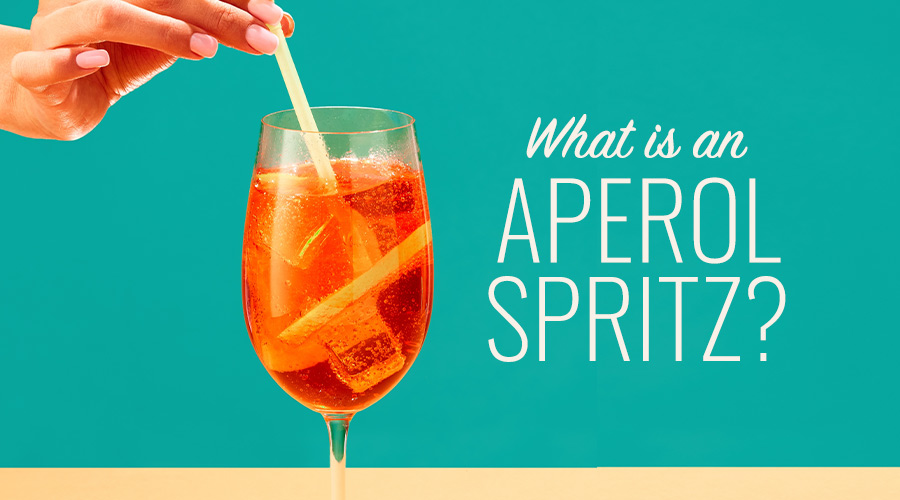
Picture a vibrant orange cocktail glistening in a wine glass filled with ice, garnished with a fresh orange slice and sparkling with effervescent bubbles. This refreshing drink has become synonymous with summer afternoons, rooftop bars, and the elegant Italian lifestyle. But what is an Aperol Spritz, exactly?
An Aperol Spritz is a classic Italian cocktail that has captured hearts worldwide with its perfect balance of bitter and sweet flavors. This bubbly drink represents more than just a cocktail – it’s a gateway to understanding Italian aperitivo culture and the art of leisurely pre-dinner socializing. Whether you’ve spotted these orange-hued drinks on social media or tasted one at your favorite restaurant, understanding what makes an Aperol Spritz special will help you appreciate why it’s become such a beloved favorite cocktail.
In today’s blog, we’ll explore everything about this iconic spritz, from its fascinating origins in Venice to the perfect recipe that makes it such a great summer drink.
Definition and Overview
What is an Aperol Spritz? At its core, it’s an Italian aperitif cocktail renowned for its signature vibrant orange color and refreshingly bittersweet flavor. This classic Italian cocktail belongs to the family of spritz cocktails and is commonly served as an aperitivo – a pre-dinner drink designed to stimulate the appetite and encourage social conversation.
The Aperol Spritz stands out among cocktails for several reasons. Its striking orange hue makes it instantly recognizable, while its low alcohol content of approximately 11% makes it a perfect drink for extended social gatherings. Unlike stronger cocktails that might overwhelm the palate, this refreshing drink offers a harmonious blend of bitter, sweet, and herbal notes that complement rather than compete with food.
In Italy, this drink is often called Spritz Veneziano, honoring its Venetian roots. The cocktail has evolved from a regional Italian specialty to a global phenomenon, appearing on menus from New York to Tokyo. Its popularity stems not just from its delicious taste, but from what it represents – the Italian philosophy of savoring life’s simple pleasures.
The beauty of an Aperol Spritz lies in its simplicity. Made with just three ingredients and requiring no special bartending skills, it embodies the Italian approach to elegance through simplicity. This accessibility has contributed significantly to its worldwide appeal, making it a go-to choice for both experienced cocktail enthusiasts and casual drinkers.
Origins and History
The story of what is an Aperol Spritz begins in 19th-century Northern Italy, particularly in the Veneto region around Venice. During this period, the area was part of the Austro-Hungarian Empire, and Austrian soldiers stationed there found the local Italian wines too strong for their taste. To make the wine more palatable, they began diluting it with water – a practice that gave birth to the term “spritz,” derived from the German word “spritzen,” meaning to spray or splash.
This simple act of dilution evolved over time as locals began experimenting with different additions to enhance the basic wine-and-water combination. The addition of bitters and liqueurs transformed the humble spritz into something more sophisticated and flavorful.
The modern Aperol Spritz as we know it today crystallized in 1919 when the Barbieri brothers created Aperol in Padua, Italy. This orange-colored bitter liqueur, with its unique blend of herbs, roots, and citrus, provided the perfect complement to sparkling wine and soda water. The combination created a drink that was both refreshing and complex, bitter yet approachable.
Throughout the 1950s and 1960s, as Italy’s aperitivo culture flourished, the Aperol Spritz gained popularity throughout Venice and the broader Veneto region. The drink became intertwined with the Italian tradition of aperitivo hour – that magical time between work and dinner when friends gather to unwind with light drinks and small bites.
The global explosion of Aperol Spritz popularity began in earnest during the 2010s, driven by social media, strategic marketing by Gruppo Campari (which owns Aperol), and the worldwide appreciation for Italian lifestyle and cuisine. Today, this once-regional drink has become a symbol of Italian sophistication and the perfect embodiment of la dolce vita.

Essential Ingredients
Understanding what is an Aperol Spritz requires knowing its three essential components, each playing a crucial role in creating the perfect balance that makes this drink so beloved.
Aperol
Aperol is the star ingredient that gives this cocktail its distinctive character and vibrant orange color. This Italian bitter liqueur was created in 1919 and features a complex flavor profile that combines zesty orange with herbal notes and a subtle touch of vanilla. The result is a bittersweet flavor that’s both sophisticated and approachable.
With an alcohol content of just 11% ABV, Aperol is significantly lighter than many other spirits used in cocktails. This lower alcohol content contributes to the drink’s sessionable nature – you can enjoy multiple aperol spritzes without feeling overwhelmed. You’ll typically find Aperol in the liqueur or amaro section of liquor stores, and its distinctive orange bottle makes it easy to spot.
The herbal complexity of Aperol comes from a secret blend of botanicals, including bitter and sweet oranges, herbs, and roots. This carefully crafted combination provides the foundation for the spritz’s signature taste – bitter enough to be interesting, sweet enough to be approachable.
Prosecco
Prosecco serves as the bubbly foundation of any aperol spritz, providing effervescence and crisp, dry flavors that perfectly complement Aperol’s bittersweet profile. This Italian sparkling wine, produced primarily in the Veneto and Friuli Venezia Giulia regions, is crucial for achieving the authentic taste.
When selecting prosecco for your spritz, opt for a dry or brut variety rather than sweet versions. The dryness prevents the cocktail from becoming overly sweet and maintains the delicate balance that makes this drink so refreshing. Quality prosecco for home use typically ranges from $12 to $18 per bottle, making it an accessible ingredient for regular enjoyment.
The bubbles in prosecco don’t just add texture – they’re essential to the drink’s character. Those tiny bubbles carry the aromatic compounds that enhance both the smell and taste of the cocktail, while the effervescence provides a lively, celebratory feeling with each sip.
Soda Water
The third component, soda water or club soda, might seem simple, but it plays a vital role in perfecting the aperol spritz. This addition provides extra fizz and subtle dilution that lightens the overall drink, making it even more refreshing and extending the drinking experience.
Any unflavored sparkling water works well – whether it’s club soda, seltzer, or plain sparkling water. The key is ensuring it’s well-chilled and maintains its carbonation. Many home bartenders keep canned sparkling water on hand for convenience, as it’s pre-portioned and stays fresh longer than opened bottles.
The soda water serves multiple purposes: it adds volume to make the drink more substantial, provides additional bubbles for texture, and offers just the right amount of dilution to balance the flavors without overwhelming the delicate interplay between Aperol and prosecco.
Classic Recipe and Preparation
Creating the perfect aperol spritz is refreshingly simple, requiring no special equipment or advanced bartending techniques. The classic recipe follows a time-tested 3-2-1 ratio that ensures optimal flavor balance every time.
The Classic Aperol Spritz Recipe:
- 3 parts Prosecco (90ml or 3 oz)
- 2 parts Aperol (60ml or 2 oz)
- 1 part soda water (30ml or 1 oz)
- Fresh orange slice for garnish
- Ice cubes
Preparation Steps:
- Prepare your glass: Fill a large wine glass generously with ice cubes. The glass should be well-chilled if possible – this helps maintain the drink’s refreshing temperature.
- Add the Prosecco first: Pour the prosecco over the ice. Adding it first helps preserve the bubbles, which are crucial to the drink’s character and mouthfeel.
- Pour the Aperol: Add the Aperol slowly, watching as it creates beautiful orange swirls through the sparkling wine.
- Top with soda water: Add the soda water gently to maintain carbonation and provide that final touch of effervescence.
- Gently stir: Give the mixture a brief, gentle stir to combine the ingredients without losing too many bubbles.
- Garnish: Complete your spritz with a slice of orange, either floating on top or perched on the rim of the glass.
The beauty of this recipe lies in its flexibility while maintaining the essential character of the drink. The prep time is minimal – just a few minutes from start to finish – making it perfect for entertaining or quick preparation during aperitivo hour.

Serving and Presentation
The presentation of an aperol spritz is almost as important as its taste. This classic Italian cocktail deserves proper service that honors both its visual appeal and cultural significance.
Glassware: The traditional choice is a large wine glass or balloon glass. The wide bowl allows for generous ice and provides space for the drink’s aromatics to develop. Some establishments serve aperol spritzes in rocks glasses, but the wine glass remains the preferred vessel for authentic presentation.
Ice and Temperature: Fill your glass with ice cubes generously – the drink should be served very cold. Well-chilled ingredients are essential; store your prosecco and soda water in the refrigerator, and consider chilling the glass beforehand for optimal results.
Visual Appeal: The aperol spritz’s vibrant orange color is its calling card. When properly prepared, the drink displays beautiful color gradation as the orange Aperol mingles with the pale prosecco. This visual spectacle is part of the drink’s charm and Instagram-worthy appeal.
Garnishing: The traditional garnish is a slice of orange, which serves both aesthetic and aromatic purposes. The orange oils from the peel enhance the drink’s citrus notes when the rim is gently rubbed with the peel before adding it to the glass. Some variations include orange wheels or even a twist of orange peel for a more elegant presentation.
Timing: Aperol spritzes are best consumed immediately after preparation to enjoy maximum carbonation and optimal temperature. This immediacy aligns perfectly with aperitivo culture, where drinks are prepared fresh and consumed as part of social gatherings.
Flavor Profile and Characteristics
Understanding what an aperol spritz tastes like helps explain why this cocktail has achieved such widespread popularity. The flavor profile represents a masterful balance of contrasting elements that somehow work in perfect harmony.
Primary Flavors: The dominant taste is bittersweet, with the initial sip revealing Aperol’s characteristic orange bitterness followed by subtle sweetness. This interplay between bitter and sweet creates complexity without overwhelming the palate.
Secondary Notes: Herbal undertones emerge as you continue sipping, thanks to Aperol’s botanical blend. These herbal notes are complemented by bright citrus flavors from both the Aperol and the orange garnish. A hint of vanilla rounds out the flavor profile, adding depth and smoothness.
Texture and Mouthfeel: The abundant bubbles from both prosecco and soda water create a lively, effervescent texture that enhances the drinking experience. The carbonation also helps carry the aromatic compounds, intensifying both smell and taste.
Alcohol Content: With approximately 11% alcohol content, an aperol spritz provides a gentle warmth without the burn associated with stronger cocktails. This moderate alcohol level makes it perfect for extended social drinking and aligns with its purpose as an aperitif.
Temperature and Refreshment: When properly chilled and served over ice, the aperol spritz delivers exceptional refreshment. The cold temperature enhances its crisp, clean finish and makes it an ideal choice for hot days or outdoor gatherings.
Aftertaste: The finish is clean and slightly bitter, with lingering orange and herbal notes that encourage another sip. This pleasant aftertaste is one reason why aperol spritzes pair so well with food – they cleanse the palate rather than overwhelming it.
Customization and Variations
While the classic aperol spritz recipe is perfection in its simplicity, understanding how to customize it allows you to tailor the drink to different preferences while maintaining its essential character.
Adjusting Bitterness: If you find the standard recipe too bitter, reduce the Aperol slightly while maintaining the prosecco and soda water proportions. Start with 1.5 parts Aperol instead of 2, and adjust to taste. This creates a lighter, more approachable version perfect for those new to bitter flavors.
Modifying Alcohol Content: To create a lighter drink with lower alcohol content, increase the soda water portion to 1.5 or even 2 parts. This dilution makes the spritz even more refreshing and suitable for daytime consumption. Conversely, reducing soda water creates a more wine-forward version.
Alternative Garnishes: While the orange slice remains traditional, experiment with different citrus. Grapefruit wheels add a slight tartness, while lemon slices provide brighter acidity. Fresh herbs like mint or basil can add aromatic complexity, though use them sparingly to avoid overwhelming the drink’s delicate balance.
Seasonal Variations: Some bartenders add blood orange soda instead of regular soda water during winter months, intensifying the citrus character. Summer variations might include a splash of elderflower liqueur for floral notes.
Related Spritz Cocktails: The Hugo Spritz substitutes elderflower liqueur and mint for Aperol, creating a different but equally refreshing drink. For those who prefer more intensity, a Campari Spritz uses Campari instead of Aperol, resulting in a deeper red color and more pronounced bitterness.
Remember that while experimentation is encouraged, the goal is to enhance rather than mask the fundamental character that makes an aperol spritz so appealing.

Aperitivo Culture and Food Pairings
To truly understand what is an aperol spritz, you must appreciate its role in Italian aperitivo culture. This tradition represents much more than simply having a drink – it’s a social ritual that embodies the Italian approach to leisure and community.
Aperitivo Hour: Traditionally occurring between 6 and 8 PM, aperitivo hour serves as a bridge between the workday and dinner. During this time, Italians gather at bars, cafes, or homes to enjoy light alcoholic beverages accompanied by small bites. The aperol spritz, with its appetite-stimulating properties and moderate alcohol content, is perfectly designed for this purpose.
Social Aspects: The aperitivo tradition emphasizes conversation and relaxation. The low alcohol content of aperol spritzes allows for extended socializing without intoxication, while the drink’s refreshing nature keeps the atmosphere light and convivial. This social element explains why aperol spritzes are rarely consumed alone – they’re designed for sharing experiences.
Food Pairings: The aperol spritz’s bittersweet profile complements a wide range of Italian antipasti. Classic pairings include:
- Charcuterie and cheese: The drink’s acidity cuts through rich meats and creamy cheeses
- Olives: The brine and salt enhance the spritz’s herbal notes
- Bruschetta: Tomato-based toppings echo the drink’s Italian heritage
- Seafood appetizers: Light preparations that don’t compete with the drink’s delicate flavors
- Nuts and crackers: Simple, salty accompaniments that cleanse the palate
Cultural Significance: Consuming an aperol spritz connects you to centuries of Italian tradition. The drink represents the Italian philosophy of taking time to appreciate life’s pleasures – a stark contrast to rushed, utilitarian drinking. This cultural context adds depth to every sip and explains why the experience feels different from simply having a cocktail.
Conclusion
Now that you understand what an aperol spritz truly is – from its Venetian origins to its perfect 3-2-1 recipe – you can appreciate why this vibrant orange cocktail has captured hearts worldwide. More than just a refreshing drink, the aperol spritz represents a philosophy of savoring life’s simple pleasures and connecting with others over well-crafted, thoughtful beverages.
Whether you’re planning to serve aperol spritzes at your next gathering or simply want to bring a taste of Italian aperitivo culture to your home, remember that the best cocktails combine quality ingredients with good company. The beauty of this classic Italian cocktail lies not just in its balanced flavors and stunning presentation, but in its ability to transform any moment into a celebration of leisure and friendship.
Ready to experience authentic Italian aperitivo culture? Gather your ingredients, invite some friends, and discover why the aperol spritz has become the perfect drink for those who appreciate the art of living well.
FAQ
It’s a popular Italian cocktail made with Aperol (a bittersweet orange aperitivo), Prosecco, and a splash of soda water.
In Northern Italy, particularly the Veneto region. The modern version became popular after Aperol was created in Padua in 1919.
It’s bittersweet with strong orange and herbal notes, and a slightly rhubarb finish.
It’s moderately bitter—less so than Campari—making it approachable for people new to bitter aperitifs.
Aperol is 11% ABV (alcohol by volume).
- 3 parts Prosecco
- 2 parts Aperol
- 1 splash of soda water
- Served over ice with an orange slice.
You could substitute with other sparkling wines like Cava or Champagne, but Prosecco is traditional.
A dry (Brut) Prosecco complements Aperol’s sweetness well.
A large wine glass or a balloon glass, to allow room for ice and garnish.
Yes, a gentle stir helps mix the ingredients evenly.
Yes, chilling Aperol and the Prosecco helps maintain the drink’s crispness.
Traditionally, a slice of orange. Some people also add a green olive in parts of Northern Italy.
Yes—mix Aperol and Prosecco in advance and add soda water and ice just before serving.
Fill the glass generously with ice to keep the drink cool and slightly dilute the strong flavors.
Typically after, to preserve some carbonation.
Campari Spritz is made the same way but with Campari instead of Aperol. It’s more bitter and has a deeper red color.
Use more Prosecco or a sweeter sparkling wine, or add a splash of orange juice.
Yes, but it will be stronger and slightly less refreshing.
Yes—use non-alcoholic aperitif products or combine orange juice and soda for a spritz-like experience.
Yes, but it will add quinine bitterness, changing the flavor profile.
Yes, it’s one of Italy’s most popular pre-dinner drinks.
Olives, nuts, chips, cheese plates, or light seafood dishes.
Late afternoon to early evening, before dinner (aperitivo time).
From the German “spritzen,” meaning to splash—dating back to Austrians adding water to Italian wine.
Yes! It has become hugely popular worldwide, especially in summer.
Not quickly—its alcohol content preserves it. But for best taste, use within a year of opening.
It’s optional. Storing in a cool, dark place is sufficient, but refrigerating can keep it crisp.
About 1–3 days with a sparkling wine stopper.
For parties, yes, but it’s best consumed the same day to avoid losing carbonation.
It rarely spoils, but changes in color, cloudiness, or off smells can indicate it’s time to discard.