

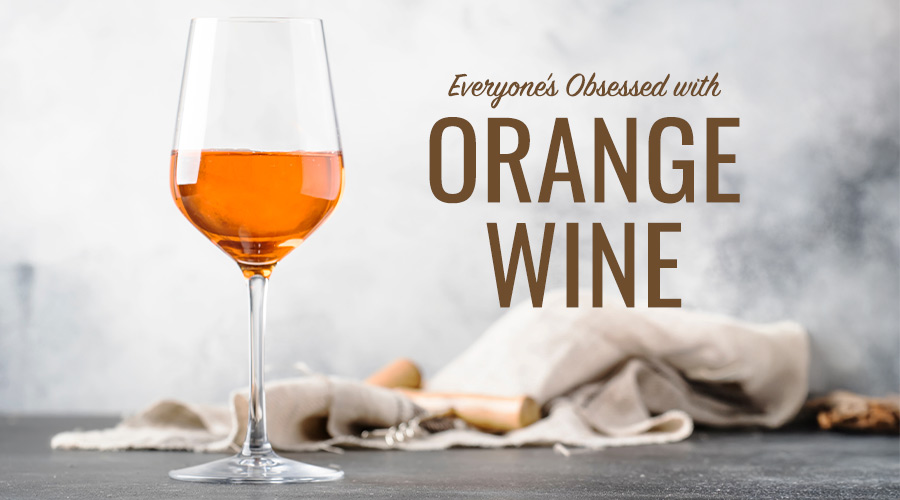
Despite its name, orange wine contains no oranges whatsoever. This unique category of wine gets its distinctive amber hue from an ancient winemaking technique that predates modern white wine production by thousands of years. Orange wines represent a fascinating bridge between traditional red and white wines, offering wine drinkers a completely different sensory experience through extended skin contact during fermentation.
The story of orange wine is one of rediscovery. While this winemaking method originated 5,000 years ago in Georgia, the modern wine world has only recently embraced its complex flavors and unique characteristics. Today, orange wines offer casual wine drinkers and wine enthusiasts alike an opportunity to explore one of humanity’s oldest fermentation techniques while enjoying bold flavors that pair exceptionally well with contemporary cuisine.
Key Takeaways
- Orange wine is white wine made with extended skin contact, creating amber-colored wine with tannins
- This ancient winemaking technique dates back 5,000 years to Georgia
- Orange wines offer complex flavors ranging from honeyed and nutty to earthy and tannic
- They pair exceptionally well with spicy cuisines, fermented foods, and bold flavors
- Any white grape variety can be used, including Pinot Grigio, Chardonnay, and Sauvignon Blanc
- Modern orange wine movement began 30 years ago in Italy, Slovenia, and Georgia
What is Orange Wine?
Orange wine represents a unique category that challenges traditional wine classifications. Essentially, it’s white wine made using red wine techniques. Instead of quickly separating white grapes from their grape skins after crushing—as done with typical white wines—orange wine undergoes extended skin contact during fermentation.
This skin contact wine process, also known as maceration, allows the grape skins and seeds to remain in contact with the fermenting juice for days, weeks, or even months. The result is a wine that bridges the sensory gap between white wines and red wines, offering the aromatic complexity of whites with the tannic structure typically found in reds.
The orange color develops naturally from compounds in the grape skins, particularly lignin from grape seeds and phenolic compounds that create the characteristic amber hue. This winemaking process produces wines with higher tannins and phenolics than conventional white wines, creating a completely different mouthfeel and flavor profile.
Unlike rosé wine, which uses red grapes with minimal skin contact to achieve a pink color, orange wine uses white wine grape varieties with extensive skin contact. This fundamental difference creates wines that are structurally more complex than pink wines while maintaining the aromatic qualities of fermenting white grapes.

The Ancient Origins and History
The technique of skin fermenting white wines represents one of humanity’s oldest winemaking methods. Archaeological evidence places its origins in Georgia approximately 5,000 years ago, making it older than recorded history. Georgian winemakers developed this method using traditional earthenware vessels called qvevri, which were buried underground to maintain consistent fermentation temperatures.
These ancient clay amphorae created the perfect environment for extended skin contact, allowing natural wines to develop complex fermented flavors without added sulfites or modern interventions. The minimal intervention approach that characterizes many orange wines today directly reflects these ancient Georgian traditions.
For millennia, this winemaking style remained largely confined to Georgia and surrounding regions in Eastern Europe. However, the global wine industry’s shift toward “technically correct” white wines in the 1950s nearly caused orange wine to disappear from most wine regions outside its traditional homeland.
The modern revival began approximately 30 years ago in northeastern Italy, particularly in the Friuli-Venezia Giulia region. Italian winemakers, often working alongside Slovenian producers in the neighboring Brda region, began rediscovering these ancient techniques. Many even traveled to Georgia to study traditional qvevri methods, sometimes importing these vessels to experiment with amber wine production in their own vineyards.
This renaissance coincided with the growing natural wine movement, as many orange wines embrace organic practices and minimal winemaking intervention that appeals to contemporary wine drinkers seeking authentic, traditional experiences.
How Orange Wine is Made
The production of orange wine follows a fundamentally different winemaking process than conventional white wine production. After harvesting, white grapes undergo crushing while keeping the skins and seeds in contact with the juice, similar to red wine production methods.
The fermentation typically occurs at higher temperatures than standard white wine fermentation, promoting the extraction of phenolic compounds, tannins, and pigments from the grape skins. This extended skin contact can last anywhere from several days to six months, depending on the winemaker’s style and regional traditions.
Traditional Georgian producers use qvevri vessels buried in the ground, which provide natural temperature control and allow for extended maceration periods. Modern producers might use clay amphorae, oak barrels, or even stainless steel tanks, though many prefer vessels that allow some oxygen exposure during the fermentation process.
The higher oxygen contact during fermentation contributes to the wine’s distinctive oxidative characteristics, creating flavors reminiscent of bruised apple, nuts, and honey rather than the fresh, reductive fruit flavors found in typical white wines. Malolactic fermentation is rarely prevented, adding textural complexity and softening the wine’s acidity.
Most orange wines are bottled unfined and unfiltered, preserving their natural character and contributing to their appeal within the natural wine category. This approach maintains the wine’s unique flavors and textural complexity while honoring traditional winemaking methods.
Flavor Profile and Tasting Notes
The orange wine taste profile offers remarkable complexity that distinguishes it from any other wine style. The flavor spectrum ranges from honeyed and nutty to earthy and profoundly tannic, creating a tasting experience that surprises even experienced wine drinkers.
Common aromatic characteristics include dried orange rind, bruised apple, hazelnut, and honey, often accompanied by floral notes and dried herbs. The palate typically shows firm tannic structure unusual for wines made from white grapes, combined with lively acidity and sometimes a slight sourness reminiscent of sour beer or fermented flavors.
Orange wines often display complex flavors spanning multiple categories:
Fruit Notes: Ripe stone fruit, citrus, tropical fruit, dried fruits Nutty Elements: Almonds, hazelnuts, walnuts
Oxidative Qualities: Wood varnish, tea, sherry-like characteristics Earthy Components: Herbs, spices, mineral notes
The wine taste can vary dramatically depending on the grape variety, length of skin contact, and winemaking approach. Some orange wines show pronounced oxidative qualities with nutty, almost sherry-like characteristics, while others maintain more fresh fruit character with subtle tannin structure.
Most orange wines develop additional complexity with breathing time in the glass, as the extended skin contact creates wines with significant depth and evolving aromatics. The unique flavors often challenge preconceptions about what white wine can be, offering wine enthusiasts an entirely new category to explore.

Grape Varieties Used
Any white wine grape variety can theoretically produce orange wine, but certain grape varieties have proven particularly well-suited to extended skin contact techniques. The choice of grape variety significantly influences the final wine’s character, with some grapes producing more robust, tannic orange wines while others create more delicate, aromatic expressions.
Pinot Grigio holds special significance in orange wine production, particularly in Italy where skin-fermented Pinot Grigio is called “Ramato” (meaning copper-colored). This grape variety naturally contains more phenolic compounds in its skins than many other white grapes, making it ideal for creating structured orange wines with beautiful amber color.
Chardonnay and Sauvignon Blanc produce robust orange wines with pronounced tannin structure and complex flavor development. These internationally recognized varieties help introduce wine drinkers to the orange wine category through familiar grape characteristics expressed in an unfamiliar style.
Georgian indigenous varieties like Rkatsiteli and Mtsvane represent the historical foundation of orange wine production. These ancient grape varieties evolved specifically for extended skin contact winemaking and produce some of the world’s most authentic amber wines.
Ribolla Gialla has become a signature grape variety for orange wine production in both northeastern Italy and Slovenia. This variety responds exceptionally well to long skin contact periods, developing complex aromatics and substantial structure while maintaining elegance.
Other varieties gaining popularity include Pinot Gris (the pink-skinned mutation of Pinot Noir), Gewürztraminer, and various regional specialties that each contribute unique characteristics to the diverse world of orange wines.
Perfect Food Pairings
Orange wines excel in food pairings where typical white wines might struggle, thanks to their tannic structure and complex flavor profiles. Their ability to handle bold flavors makes them exceptional companions for challenging cuisines and ingredients that often overwhelm conventional wines.
The combination of acidity, tannins, and complex flavors allows orange wines to complement spicy Asian and Indian cuisines remarkably well. The wine’s structure stands up to intense spices and heat while its unique characteristics complement rather than compete with fermented flavors common in these food traditions.
Spicy and Bold Cuisines:
- Thai curry dishes with complex spice profiles
- Indian tandoori meats and vegetarian curries
- Korean kimchi and fermented vegetable dishes
- Mexican mole and other complex sauce preparations
Orange wines show particular affinity for fermented foods, creating harmonious pairings with pickled vegetables, aged cheeses, and cured meats. The wine’s own fermented characteristics create natural bridges with these preservation-based flavors.
Cheese and Charcuterie
The tannic structure of orange wines makes them ideal partners for rich, aged cheeses where the tannins help cut through fat and balance umami flavors. Blue cheeses, aged cheddar, and gouda all pair beautifully with orange wine’s complex profile.
Charcuterie boards benefit enormously from orange wine’s ability to handle salty, fatty cured meats while complementing the diverse flavors and textures typical of these presentations. The wine’s acidity cuts through richness while its complexity matches the varied flavors.
Hearty Vegetables
Orange wines pair exceptionally well with roasted root vegetables, mushrooms, and squash preparations. The earthy notes in many orange wines reinforce the natural umami and sweetness found in these vegetables, creating harmonious flavor combinations.
Vegetarian dishes often benefit from orange wine’s substantial structure, which provides the weight and complexity that plant-based meals sometimes lack when paired with lighter white wines.
Orange Wine Regions Around the World
Georgia remains the spiritual homeland of orange wine, where traditional qvevri methods continue unchanged after millennia. Georgian producers create some of the world’s most authentic amber wines using indigenous grape varieties and time-honored techniques that define the category’s character.
Italy, particularly the Friuli-Venezia Giulia region, leads the modern orange wine renaissance. Italian producers have successfully bridged ancient Georgian techniques with contemporary winemaking knowledge, creating orange wines that appeal to international palates while respecting traditional methods.
Slovenia, especially the Brda region that borders Friuli, has become synonymous with high-quality orange wine production. Slovenian winemakers often work closely with their Italian neighbors, sharing knowledge and techniques while developing their own distinctive styles.
The United States has embraced orange wine production, with notable examples emerging from California, Oregon, and other wine regions. American producers often experiment with different grape varieties and techniques, contributing innovation to this ancient wine style.
Australia and Chile represent emerging orange wine regions where producers experiment with local grape varieties and adapt traditional techniques to their unique terroir and climate conditions. These regions often focus on natural wine approaches that align with orange wine philosophy.
Each region contributes unique characteristics based on local grape varieties, climate conditions, and winemaking traditions, creating a diverse global landscape of orange wine styles.

Serving and Storage
Proper serving enhances the orange wine experience significantly. These wines benefit from serving in wide-bowled red wine glasses that allow maximum aromatic expression, similar to how red wines are presented. The larger glass surface area helps concentrate the complex aromatics that define orange wine character.
Temperature plays a crucial role in orange wine service. Serve these wines lightly chilled, warmer than typical white wines but cooler than room temperature—ideally between 12-16°C (54-61°F). This temperature range allows the wine’s complexity to emerge while maintaining refreshing qualities.
Orange wines often benefit from breathing time, either in the glass or through decanting. The extended skin contact creates wines with significant depth that opens up with air exposure. Allow 15-30 minutes of breathing time for optimal flavor development.
Serving Guidelines:
- Use large, wide-bowled glasses
- Serve at 12-16°C (54-61°F)
- Allow 15-30 minutes breathing time
- Consider decanting for older or more structured examples
Most orange wines range from 11-15% alcohol by volume, though some robust examples can reach 17% ABV. The higher alcohol content, combined with the wine’s structure, contributes to their ability to pair with rich, bold foods.
Storage should follow standard wine protocols, with bottles kept on their sides in cool, dark conditions. Many orange wines develop additional complexity with proper aging, making them worthy of cellar consideration for wine enthusiasts.
Price and Availability
Orange wines typically command higher prices than conventional white wines due to their labor-intensive production methods and limited availability. The extended fermentation periods, specialized vessels, and often low-intervention approaches require more time and attention than standard white wine production.
Expect to pay $20-30 per bottle for quality orange wines, with premium examples and traditional Georgian qvevri wines commanding significantly higher prices. The artisanal nature of most orange wine production, combined with relatively small production volumes, contributes to their premium positioning in the wine market.
Availability remains limited compared to mainstream wine styles, though growing popularity has increased distribution in major wine markets. Wine enthusiasts typically find the best selection at specialized natural wine shops, progressive restaurants, and online retailers focusing on unique wine categories.
The investment in orange wine reflects both the labor-intensive production methods and the unique experience these wines provide. For wine drinkers seeking something completely different from typical white wines, the price premium often proves worthwhile for the distinctive tasting experience.
Orange wine represents both ancient tradition and modern innovation in the wine world. This unique category offers wine drinkers an opportunity to experience one of humanity’s oldest winemaking techniques while enjoying complex flavors that challenge conventional wine expectations. Whether you’re a casual wine drinker curious about new styles or a wine enthusiast seeking unique experiences, orange wine provides a fascinating journey through taste, history, and tradition that connects us to thousands of years of winemaking heritage.
FAQ
Orange wine is a white wine made by fermenting white grape juice with the grape skins and seeds, like how red wine is made. This skin contact gives it an amber or orange color and unique tannic structure.A
No. It’s made from white grapes, not citrus. The “orange” refers to the color from skin contact.
Many white varieties can be used. Common ones include Pinot Grigio, Ribolla Gialla, Sauvignon Blanc, Trebbiano, and Chardonnay.
Because the juice is left in contact with the grape skins, it extracts tannins, phenolics, and a deeper color, giving more complex, sometimes savory, and textured flavors.
Not exactly. Many orange wines are made in a low-intervention, “natural” style, but orange wine simply means skin-contact white wine, regardless of whether it’s certified organic, biodynamic, or natural.
Most orange wines are dry. The skin contact can give an impression of fruitiness but they generally finish dry.
Many producers don’t fine or filter orange wine, resulting in a hazy appearance. This is natural and not a flaw.
Aromatic notes vary but can include dried fruits, orange peel, nuts, tea, herbs, honey, and florals.
Not usually. Alcohol levels depend on the grapes and climate, like any wine. Typical range: 12-14% ABV.
This method goes back thousands of years to Georgia (the country). It’s still a big tradition there, often made in clay vessels called qvevri.
Slightly chilled, around 50-55°F (10-13°C). Too cold and you’ll mute its flavors, too warm and the tannins can be harsh.
Use a white wine or even a light red wine glass with a larger bowl to let aromas open up.
Good examples can age beautifully, developing more nutty, honeyed, or oxidative notes, but many are meant to be enjoyed young.
Because of the skin and sometimes seed contact, orange wines can have tannins like a red wine.
Some styles are intentionally oxidative (aged with air contact), while others are made reductively to preserve freshness. Always check producer style.
Its tannins and savory qualities let it stand up to richer foods that might overpower typical whites.
Cheese and charcuterie, especially aged cheeses, salami, and prosciutto.
Yes! Its texture and phenolics make it a good match for curries, Moroccan tagines, or spicy Korean dishes.
Heavier seafood like octopus, grilled swordfish, or fish stew works better than delicate white fish.
Absolutely — it pairs wonderfully with roasted root vegetables, mushrooms, lentils, and chickpea stews.
Try it with rich pasta dishes like pappardelle with wild mushrooms, or pasta with sage brown butter.
Yes. Its structure lets it handle smoky grilled meats and veggies.
It loves dishes with thyme, rosemary, cumin, saffron, turmeric, coriander, and paprika.
If the sushi is richer, like toro, unagi, or spicy rolls, yes. For delicate nigiri, stick with crisp white.
Usually orange wine is too tannic for dessert, but try it with a cheese plate with nuts and dried fruits
Because of its phenolics, orange wine can last 3-5 days, sometimes longer. Always recap tightly and refrigerate.
It has flavors (tea, nutty, dried herbs) and textures (tannin) unusual for white wines, so it can surprise people used to crisp Sauvignon Blancs.
There’s a wide range. Many start around $20-30, with artisanal or amphora-aged examples higher.
Ask a local wine shop for recommendations — many carry unique skin-contact selections. Look for labels from Georgia, Italy’s Friuli, Slovenia, Austria, or California natural producers.
Yes! Some producers make skin-contact pét-nat (pétillant naturel) wines, which are lightly sparkling and great with brunch foods.