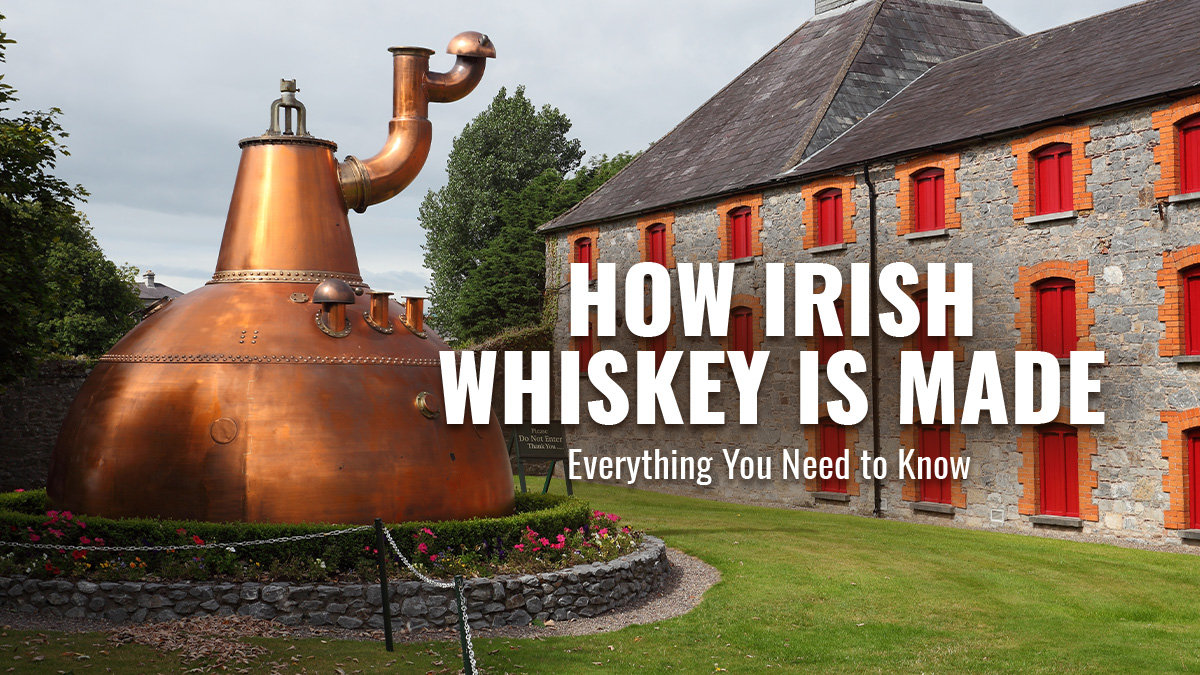


Rye whiskey belongs to a family of grain whiskeys where rye grain serves as the dominant flavor driver. Unlike bourbon, which relies on corn for its sweetness, rye brings a distinctly dry and spicy profile that has defined American cocktail culture for over two centuries.
The term “rye whiskey” typically refers to legally defined categories in the United States and Canada, though rye-based whiskeys are also produced in Ireland, Germany, and other European countries. Each region applies different rules, which means a bottle labeled “rye” can vary dramatically depending on where it was made.
American Rye Whiskey
American rye whiskey operates under precise federal standards that distinguish it from other spirits. These regulations ensure that when you purchase a bottle labeled “rye whiskey” in the United States, you’re getting a product with specific characteristics.
The U.S. Code of Federal Regulations establishes these requirements:
- Mash bill: At least 51% rye grain
- Distillation proof: No more than 160 proof (80% ABV)
- Barrel entry proof: No more than 125 proof (62.5% ABV) into new charred oak barrels
- Bottling proof: Minimum 80 proof (40% ABV)
Straight rye whiskey carries additional requirements. To earn the “straight” designation, rye must be aged at least 2 years in new charred oak with no added flavoring or coloring. If aged less than 4 years, the age statement must appear on the label.
Historically, American rye whiskey production centered in Pennsylvania’s Monongahela region and Maryland during the 18th and 19th centuries. Virginia, New York, and early Kentucky also contributed to the category. Prohibition (1920–1933) devastated the industry, and the post-war shift toward lighter spirits and bourbon’s Kentucky-based marketing dominance nearly eliminated rye from American shelves by the late 20th century.
Producers that fueled the modern revival:
- Jim Beam —maintained production through the lean years
- Wild Turkey Rye—a Kentucky stalwart with consistent quality
- Rittenhouse Rye —a bartender favorite at bottled-in-bond strength
Differences Between Rye and Bourbon
The fundamental difference between rye and bourbon comes down to which grain dominates the mash bill. Rye whiskey must contain at least 51% rye grain, while bourbon must contain at least 51% corn. This grain swap creates dramatically different flavor profiles despite similar aging requirements.
| Characteristic | Rye Whiskey | Bourbon |
| Primary grain | At least 51% rye | At least 51% corn |
| Flavor profile | Pepper, baking spice, herbs, dry finish | Caramel, vanilla, corn sweetness, softer finish |
| Barrel requirements | New charred oak | New charred oak |
| Common secondary grains | Corn, malted barley | Rye, malted barley, wheat |
High rye bourbon occupies a middle ground, using 51% corn but incorporating 25-35% rye for added spice. A high rye mash bill in bourbon approaches rye character while maintaining corn’s sweetness.
Concrete comparisons:
- Kentucky-style rye (51-55% rye) often tastes like a spicier bourbon with less sweetness
- High-rye expressions from Midwest Grain Products (90-95% rye) deliver intense spice and a dry, herbal finish
- Four Roses Single Barrel (a high rye bourbon) shows balanced spice and caramel
- Bulleit Rye (historically sourced from Indiana) leans sharply toward pepper and baking spice
Regional American Rye Styles
Before Prohibition, distinct regional styles of American rye whiskey emerged based on local grain availability and distilling traditions. While these categories were never codified in law, contemporary distillers increasingly reference them to position their products.
Pennsylvania / Monongahela style: Often 70-95% rye with little or no corn, producing a robust character with dried fruit notes and intense spice. Many pre-Prohibition brands disappeared, but producers in western Pennsylvania are actively reviving this approach. The monongahela rye tradition represents American whiskey making at its most assertive.
Maryland style: Typically 60-70% rye with a noticeable corn component, yielding a slightly softer, sweeter profile than Pennsylvania expressions. George Washington’s late-1700s distillery at Mount Vernon produced a Maryland style rye mash bill combining rye with corn and malted barley. Maryland rye offered a bridge between the intensity of Pennsylvania rye and the sweetness of southern corn whiskey.
Kentucky style: Close to the 51% rye legal minimum, sometimes tasting like very spicy bourbon. Brands like Wild Turkey Rye exemplify this approach, where bourbon-like richness meets rye’s characteristic bite.
Canadian Rye Whisky
Canadian rye whisky operates under fundamentally different rules than American rye whiskey. Canadian law allows the term “rye whisky” on labels even when rye grain is a minor component, as long as the whisky exhibits rye-like aroma and flavor characteristics.
The typical Canadian production model involves blending a high-proof “base whisky” (often mostly corn or wheat, distilled in large columns) with smaller amounts of lower proof “flavoring whisky” made from rye or other grains. This blending approach can result in corn-to-rye ratios as high as 9:1 in some products.
Canadian whisky legal requirements:
- Must be mashed, distilled, and aged in Canada
- Minimum 3 years aging in wooden barrels of 700 liters or less
- Minimum 40% ABV at bottling
- Barrels do not have to be new or charred (used barrels are common)
- Added colorings are permitted
Notable Canadian rye-labeled brands:
- Crown Royal—smooth, approachable, widely available
- Canadian Club—a classic blended Canadian whisky
- Alberta Premium—uses 100% rye grain, satisfying enthusiasts seeking true rye character
Canadian rye is often lighter, smoother, and more blended than robust American straight rye whiskey, making it popular in highballs and easy-drinking mixed drinks. The style contrasts sharply with the intense, spicy notes of high-rye American expressions.
How Rye Whiskey Is Made: From Grain to Glass
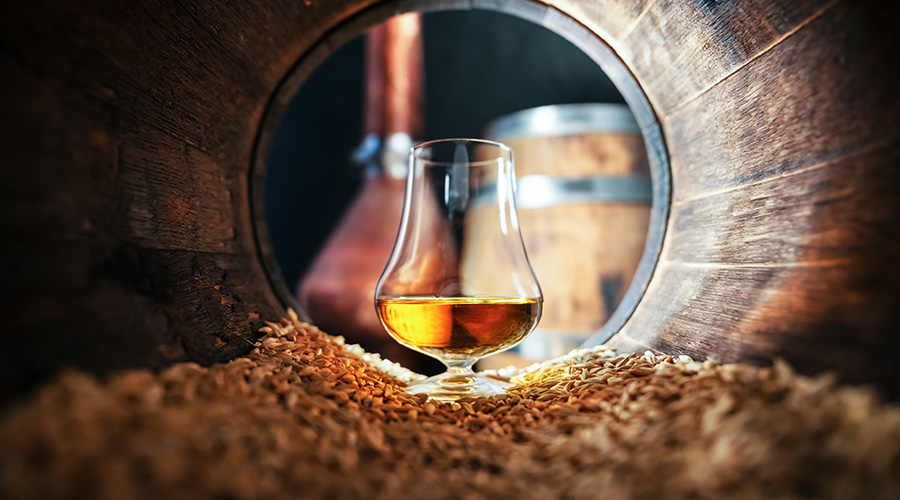
Rye whiskey follows the same fundamental steps as other whiskeys—mashing, fermentation, distillation, barrel aging, and bottling—but rye grain introduces specific handling challenges and contributes distinctive flavors that separate it from corn-based spirits.
The process begins with grain selection and milling, proceeds through cooking and fermentation to create a rye-heavy “beer,” then moves to distillation where alcohol and flavor compounds are concentrated. The clear new-make spirit enters oak barrels for aging, where it develops color, complexity, and the vanilla and caramel notes associated with charred oak. Finally, the aged whiskey is filtered, diluted to bottling strength, and packaged.
Rye-specific production considerations:
- Rye grain is notoriously sticky and gummy, requiring careful temperature control and sometimes enzymes for workable mashes
- Many American rye brands use continuous column stills with a doubler, while some craft distilleries prefer pot stills for heavier flavor
- Barrels are typically 53-gallon (200-liter) new American white oak, charred to levels such as #3 or #4
- Rickhouse conditions in Kentucky or Pennsylvania climates encourage seasonal expansion and contraction of spirit in wood
- Aging commonly ranges from 3 to 10 years, with younger expressions showing bright spice and older releases developing leather and tobacco notes
The Grain Selection
Grain selection establishes the foundation of any whiskey’s character. For rye whiskey, this means deciding not just how much rye to include, but which rye varieties and supporting grains will shape the final product.
U.S. rye whiskey typically uses 51-95% rye, with the balance often corn and malted barley. Corn contributes sweetness and body, while malted barley provides the enzymes necessary to convert grain starches into fermentable sugars. Some producers create 100% rye mash bills using malted rye for enzyme activity instead of barley.
Grain selection factors:
- Distillers may choose different rye varieties to tweak spice levels, yields, and mouthfeel
- Some craft distilleries source local or estate-grown rye to emphasize terroir, with New York and Midwestern “farm-to-glass” operations leading this approach
- Non-GMO corn and sustainably grown rye are increasingly used as selling points
- The balance between rye and other grains directly impacts both processing difficulty and flavor intensity
Mashing and Fermentation
Mashing converts grain starches into fermentable sugars that yeast can transform into alcohol. For rye whiskey, this stage presents unique challenges due to rye’s high content of complex polysaccharides.
Grains are milled and cooked with water at controlled temperatures to gelatinize starches. Rye’s tendency to become thick and sticky means distillers often cook corn first, then slowly add dry rye grain to prevent clumping. Enzymes from malted barley or commercial additions break down starches into sugars, creating a sweet liquid called wort.
Fermentation details:
- Fermentation in American rye typically lasts 3-5 days in large stainless steel or cypress fermenters
- Proprietary yeast strains produce fruity esters and spicy congeners that contribute to rye’s distinctive profile
- The resulting “beer” or “wash” reaches approximately 12% ABV before distillation
- Many distilleries practice “sour mash” by reusing part of a previous mash to stabilize pH and maintain flavor consistency
- Rye’s sticky nature can cause foaming and management challenges in fermenters, requiring careful monitoring
Distillation and Aging
Distillation concentrates the alcohol and refines the flavor compounds developed during fermentation. For rye whiskey, the goal is to preserve grain character while removing unwanted congeners.
Most large rye producers—including Wild Turkey, Jim Beam, and Heaven Hill—use column stills plus a doubler for efficiency. Some craft producers and historic-style operations prefer pot stills to retain heavier oils and more intense spice character. Regardless of still type, U.S. regulations cap distillation at 160 proof (80% ABV), ensuring significant grain-derived flavor remains in the spirit.
Aging variables:
- Spirit enters barrels at 110-125 proof depending on distillery preference
- Lower entry proof can yield richer mouthfeel and stronger oak sweetness after aging
- Aging warehouses in Kentucky, Indiana, and Pennsylvania experience temperature swings from below freezing to above 100°F (38°C)
- These seasonal cycles cause the spirit to expand into and contract from the wood, accelerating extraction and oxidation
- Single barrel releases draw from specific warehouse locations—top floors for more intense maturation, lower floors for gentler aging
Bottling and Styles
After aging, rye whiskey is prepared for bottling through filtration and dilution. Most products are chill-filtered to prevent cloudiness and diluted with water to reach the desired bottling strength of at least 80 proof. Some specialty releases skip filtration and bottle at barrel proof for maximum intensity.
Key style terms:
| Term | Definition |
| Straight rye whiskey | Minimum 2 years in new charred oak, no additives |
| Bottled in Bond | 100 proof, single distiller, single season, at least 4 years old |
| Single barrel | Bottled from one specific barrel |
| Small batch | Blended from a limited number of barrels |
| Cask strength/barrel proof | Bottled at warehouse strength without dilution |
Flavor Profile: What Does Rye Whiskey Taste Like?
Rye whiskey delivers a flavor experience defined by spice, herbs, and a distinctly dry finish. While bourbon coats the palate with sweetness, rye cuts through with assertive grain character and aromatic complexity.
Typical American rye tasting notes include cracked black pepper, cinnamon, clove, nutmeg, allspice, toasted grain, mint, dill, and dry herbal notes. Underneath these grain-derived flavors, oak aging contributes vanilla, caramel, and toasted wood character. The interplay between spicy rye grain and sweet oak creates the spirit’s signature balance.
How rye percentage affects flavor:
- Higher rye percentages (80-95%) push intense spice and herbal character to the forefront
- Lower rye mash bills (51-60%) feel rounder and closer to bourbon, with more caramel and sweetness
- Younger ryes (3-4 years) show bright spice and green grain notes
- Older ryes (8-12+ years) add leather, tobacco leaf, dried fruit, and polished oak complexity
Concrete tasting examples:
- A Manhattan made with Rittenhouse Rye emphasizes cocoa, baking spice, and dark cherry
- A neat pour of Alberta Premium 100% Rye leans sharply spicy and grassy
- Aged expressions from High West or WhistlePig display layered complexity with dried fruit and oak tannins
How Rye Compares in Cocktails
Rye’s drier, spicier profile cuts through sugar and vermouth more effectively than sweeter bourbons, making it the preferred base for many classic cocktails. Pre-Prohibition recipes from New York and New Orleans often specified rye rather than bourbon, which is why contemporary bartenders return to rye for historically accurate versions.
Classic cocktails where rye excels:
- Manhattan: Rye, sweet vermouth, and bitters—rye’s spice balances the vermouth’s sweetness
- Sazerac: Rye, absinthe rinse, sugar, and Peychaud’s bitters—originated in New Orleans with rye as the original base
- Old Fashioned: Rye, sugar, and bitters—drier and more complex than bourbon versions
- Vieux Carré: Rye, cognac, sweet vermouth, and bitters—a New Orleans classic requiring rye’s structure
High-proof ryes (100 proof and above) are especially valued in busy cocktail bars because their robust character stands up after dilution from ice melt. Bartenders often reach for bottled-in-bond options like Rittenhouse or Wild Turkey 101 Rye for consistent results in high-volume service.
The Rise, Fall, and Revival of Rye Whiskey
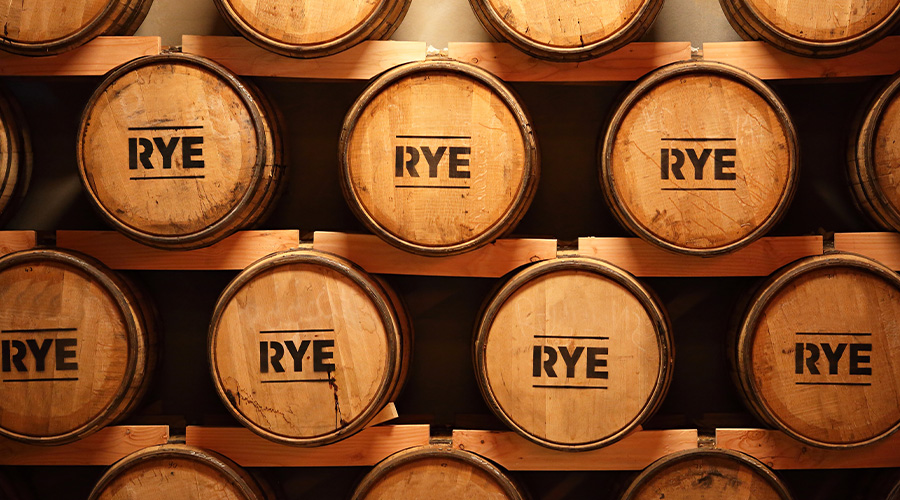
Rye whiskey’s history mirrors the story of American alcohol production itself—from colonial necessity to industrial powerhouse to near extinction to modern renaissance.
Colonists in 17th-century New England and Pennsylvania turned to rye because it thrived in the rocky, cold soils where other grains struggled. When the British blockade during the Revolutionary War cut off molasses supplies from the West Indies and colonial ports, dried grain whiskey production accelerated. By the late 1700s, rye whiskey was a widespread regional staple.
Historical milestones:
- 1791: The Whiskey Excise Tax under George Washington sparked resistance among small distillers
- 1794: The Whiskey Rebellion saw farmers in western Pennsylvania resist federal tax collectors
- Late 1800s-early 1900s: Rye’s pre-Prohibition peak, with Pittsburgh and Baltimore famous for regional brands shipped nationally
- 1920-1933: Prohibition devastated production; legitimate rye nearly disappeared
- Post-World War II: Consumer shift toward lighter Scotch, Canadian whisky, and vodka left just a handful of labels like Old Overholt surviving
- Early 2000s: The craft cocktail renaissance in New York, San Francisco, and other cities revived interest in rye
The modern comeback accelerated as bartenders sought historically accurate recipes and discovered that rye gave many drinks more definition and less cloying sweetness than bourbon.
Rye Whiskey in Today’s Market
The rye whiskey market has transformed from a forgotten category to a vibrant, growing segment of American spirits. This resurgence reflects broader trends toward premiumization, authenticity, and cocktail culture.
The role of Lawrenceburg Distillers Indiana—now operating under Ross & Squibb Distilling (previously Midwest Grain Products)—cannot be overstated. Their 95% rye mash bill has supplied numerous brands, creating a recognizable “Indiana rye” style found under many labels. This contract distilling model allowed craft distillers and major distillers alike to enter the rye market without building their own production capacity.
Current market trends:
- Growth in U.S. rye stocks through the 2010s enabled more aged releases and premium single barrel offerings
- Rye production has expanded outside traditional heartlands to Texas, New York, Colorado, and the Pacific Northwest
- International producers in Ireland, Germany, and Scandinavia are experimenting with rye-forward whiskeys
- Younger drinkers appreciate rye’s authenticity narrative, transparent labeling, and small-batch positioning
- Premium and limited releases command higher prices as the category gains popularity
- Every major bourbon producer now offers at least one rye expression
Rye Whiskey, Health, and Myths
Rye whiskey carries a long history of medicinal claims—from 19th-century prescriptions for colds to Prohibition-era “medicinal whiskey” sold legally with doctor’s notes. While charming as a historical footnote, these claims require a modern perspective.
Whiskey does contain small amounts of antioxidants from barrel aging, including ellagic acid and other polyphenols. However, concentrations are modest and do not justify treating rye as a health product. The grain nutrition present in rye—fiber, vitamins, minerals—does not survive distillation in meaningful amounts.
Modern health guidance:
| Recommendation | Details |
| Moderate consumption | Up to 1 standard drink per day for women; up to 2 for men |
| Health risks of excess | Liver disease, certain cancers, addiction, impaired judgment |
| Calories per 1.5 oz pour | Approximately 100-120 calories depending on proof |
Rye whiskey is not uniquely “cleaner” or significantly healthier than other spirits simply because it uses rye grain. Alcohol is alcohol, regardless of the grain bill or production quality.
Moderation, Enjoyment, and Responsible Drinking
The best approach to rye whiskey—or any spirit—combines appreciation with responsibility. Quality spirits deserve mindful consumption, not rushed drinking.
Practical tips:
- Sip slowly and pay attention to flavors as they evolve in the glass
- Pair rye whiskey with food—cheese, charcuterie, or dark chocolate complement its spicy notes
- Alternate with water to stay hydrated and extend enjoyment
- Avoid binge drinking even with high-quality or “craft” products
- Rye’s strong, spicy character naturally encourages savoring rather than gulping
Anyone with health concerns, taking medications, or pregnant should consult a healthcare professional before drinking alcohol. This guidance applies regardless of spirit type or quality.
How to Explore and Choose Rye Whiskey
Building rye knowledge starts with tasting strategically. Rather than grabbing random bottles from the liquor store, follow a progression that teaches you the category’s range.
For newcomers—start here:
- Old Forester Rye—approachable, affordable, widely available
- Rittenhouse Rye Bottled-in-Bond—a bartender standard with excellent value
- Bulleit Rye—introduces the spicy Indiana rye profile
Intermediate exploration:
- Wild Turkey 101 Rye—higher proof brings concentrated spice and oak
- Knob Creek Single Barrel Rye—experience barrel variation within a consistent brand
- High West Double Rye—a blend showcasing different rye styles
Comparative tasting:
- Try Canadian rye (Crown Royal Northern Harvest Rye or Alberta Premium) alongside American straight rye to understand national style contrasts
- Compare a Kentucky-style rye (Wild Turkey) against an Indiana-style rye (Bulleit or Redemption) to taste mash bill differences
Tasting contexts:
- Neat in a proper glass to evaluate full flavor
- With a splash of water to open aromatics and soften heat
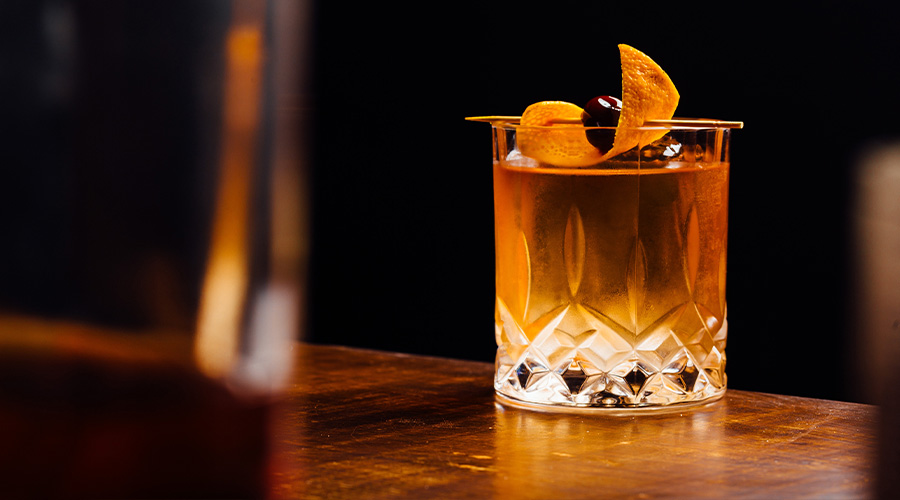
- In a classic cocktail (Manhattan, Old Fashioned, Sazerac) to see how rye behaves with other ingredients
Storing and Serving Rye Whiskey
Proper storage and serving maximize your investment in quality rye whiskey. Unlike wine, whiskey doesn’t improve in the bottle—but it can certainly deteriorate with poor handling.
Storage guidelines:
- Store unopened bottles upright in a cool, dark place away from direct sunlight and heat
- Cork stays moist from alcohol vapors; horizontal storage isn’t necessary and risks leakage
- Opened bottles are best consumed within 1-3 years depending on fill level
- More air in the bottle accelerates oxidation; consider transferring to smaller bottles as you drink
Serving recommendations:
| Method | Best For |
| Neat at room temperature | Evaluating full flavor profile |
| Glencairn or tulip glass | Concentrating aromatics for tasting |
| Large ice cube | Slow dilution without over-chilling |
| Splash of cool water | Opening aromatics while maintaining body |
Avoid long-term storage in decanters with loose stoppers, as increased air contact and potential leaching from non-crystal glass can subtly affect quality over time. The original bottle, stored properly, remains the best vessel for aging whiskey.
Rye whiskey rewards curiosity. From its colonial American roots through near-extinction and modern revival, this spicy spirit has earned its place at the center of cocktail culture. Whether you’re mixing a Manhattan, sipping a single barrel expression neat, or exploring the differences between Pennsylvania style and Kentucky style, rye offers complexity that bourbon simply cannot replicate.
The best way to understand rye whiskey is to taste it. Pick up a bottle of straight rye at your local Spec’s, pour it neat, then try it in an Old Fashioned. Pay attention to the pepper, the baking spice, and the dry finish. That’s rye doing what it does best—making you think about what you’re drinking.