
The World’s Oldest Cocktails: A Journey Through 400+ Years of Mixology History
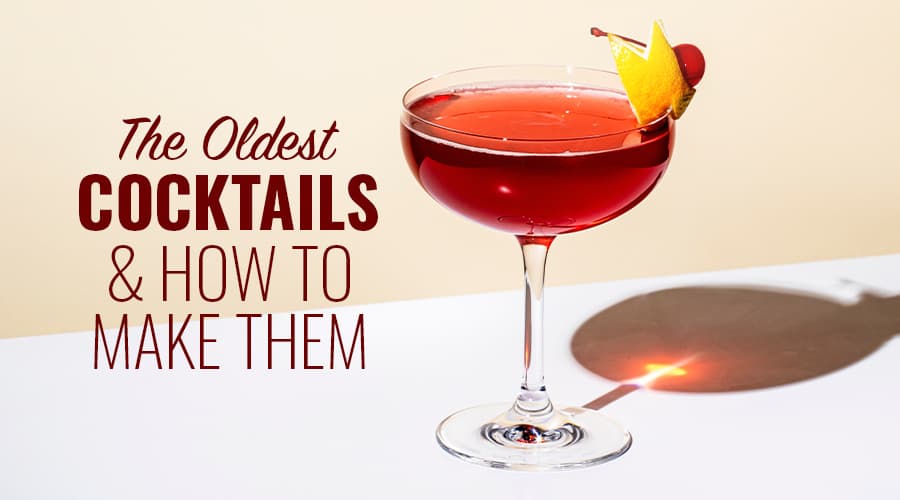
Long before craft cocktail bars and mixology transformed drink making into an art form, sailors battling scurvy in 1586 Havana created what would become the world’s oldest cocktail. These early mixed drinks emerged from necessity rather than luxury, combining medicinal ingredients with alcohol to create both remedies and refreshing drinks that would evolve over centuries into the classic cocktails we cherish today.
The journey from pirate remedies to prohibition-era speakeasies reveals how cocktail culture developed alongside global trade, technological advances, and social movements. Each era brought innovations that shaped modern bartending, from the theatrical Blue Blazer performances of the Gold Rush to the sophisticated Manhattan that established whiskey as the foundation for countless iconic drinks.
The Ancient Origins: El Draque (1586)
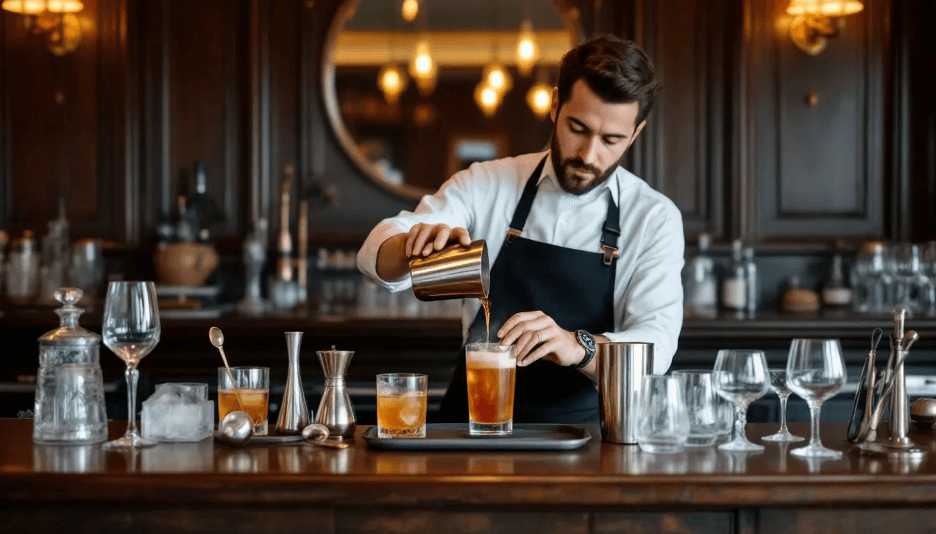
The story of the oldest cocktail begins not in an elegant saloon, but aboard ships in the Caribbean where Sir Francis Drake’s crew faced a deadly enemy: scurvy. In 1586, near Havana, Cuba, these sailors created El Draque, mixing local aguardiente (an early rum), sugar cane juice, fresh lime, mint leaves, and crucially, chuchuhuasi bark for its medicinal properties.
This proto-cocktail served a vital purpose beyond refreshment. The 16th century presented sailors with a dangerous dilemma: water supplies on long voyages became contaminated with deadly bacteria, making alcohol-based drinks safer alternatives. The lime juice provided essential vitamin C to prevent scurvy, while the chuchuhuasi bark offered additional medicinal benefits that Spanish colonists had learned from indigenous populations.
El Draque’s recipe would evolve dramatically over the centuries. The medicinal bark gradually disappeared from the mixture, and the aguardiente was replaced with refined white rum. Sugar cane juice gave way to simple syrup, creating what we now recognize as the classic daiquiri’s ancestor and the mojito’s direct predecessor. This transformation illustrates how the oldest cocktail evolved from a practical remedy into a refreshing drink that became central to Cuban cocktail culture.
The drink originated during an era when alcohol served multiple functions: preserving water, providing calories, and delivering medicine. This practical foundation explains why so many classic cocktails incorporate ingredients like bitters, which originally served medicinal purposes before becoming essential flavor components in modern mixology.
Early American Cocktail Pioneers (1838-1870)
The Sazerac (1838)
New Orleans pharmacist Antoine Peychaud created the Sazerac in 1838, establishing what many consider the first cocktail in American cocktail culture. Originally crafted with Sazerac de Forge et Fils cognac, Peychaud’s Bitters, sugar, and an absinthe rinse, this drink originated served in small eggcups called “coquetiers”—possibly the source of the word “cocktail” itself.
The Sazerac’s evolution reflects broader historical changes in American drinking culture. When the phylloxera epidemic devastated European vineyards in the 1870s, cognac became scarce and expensive. Bartenders adapted by substituting rye whiskey, creating the version that became Louisiana’s official cocktail and a symbol of French Creole culture in the American South.
Peychaud’s creation established several principles that define classic cocktails today. The precise balance of spirit, sweetener, and bitters, combined with the aromatic absinthe rinse, demonstrated how complex flavors could be achieved through careful technique rather than numerous ingredients. This approach influenced countless cocktails that followed.
The Sazerac also introduced the concept of the cocktail glass as we know it today. Peychaud’s use of the coquetier established the tradition of serving potent mixed drinks in small, elegant vessels rather than large mugs or tankards, elevating the drinking experience and emphasizing quality over quantity.
The Blue Blazer (1862)
Legendary bartender Jerry Thomas invented the Blue Blazer during the California Gold Rush, creating not just a drink but a spectacular performance that elevated bartending from service to entertainment. This theatrical cocktail combined Scotch whisky and Demerara sugar, but its defining characteristic was the dramatic flaming presentation between two mugs that captivated audiences in frontier saloons.
Thomas’s innovation occurred during a pivotal moment in American cocktail history. As miners flooded California seeking gold, they brought diverse drinking traditions that blended with local customs and available ingredients. The Blue Blazer represented this cultural mixing, combining Scottish whisky with Caribbean sugar and American showmanship.
The drink’s theatrical nature served practical purposes beyond entertainment. The flame helped dissolve the sugar more effectively than simple stirring, while the dramatic presentation justified premium pricing in establishments where expensive imported spirits commanded high prices. This performance aspect established bartending as skilled craft work rather than mere alcohol service.
Jerry Thomas’s influence extended far beyond this single creation. His 1862 publication “How to Mix Drinks” became the first comprehensive bartending guide, documenting cocktail recipes and techniques that standardized American cocktail culture. The Blue Blazer exemplified his philosophy that exceptional drinks required both technical skill and showmanship.
The Golden Age Foundation (1870s-1890s)
The Manhattan (1870s)
Industry experts often recognize the Manhattan as the first modern cocktail, establishing the template for sophisticated whiskey-based mixed drinks that define contemporary cocktail culture. Created at either the Manhattan Club or Manhattan Inn in New York City during the 1870s, this combination of rye whiskey, sweet vermouth, and Angostura bitters represented a new level of complexity in American mixology.
The Manhattan’s significance extends beyond its recipe to its cultural impact. Unlike earlier drinks that often masked poor-quality spirits with heavy sweeteners, the Manhattan celebrated the whiskey’s character while enhancing it with complementary flavors. This approach required higher-quality ingredients and more skilled preparation, elevating both bartending standards and customer expectations.
The drink’s popularity coincided with the rise of elegant hotel bars and gentleman’s clubs in major American cities. These establishments demanded sophisticated beverages that reflected their clientele’s refined tastes, and the Manhattan delivered with its complex flavor profile and elegant presentation in a cocktail glass garnished with a cocktail cherry.
The Manhattan also established the foundation for countless variations that followed. By demonstrating how vermouth could perfectly complement whiskey, it inspired drinks like the Boulevardier, the Brooklyn, and countless other whiskey-based classics. This influence makes it arguably one of the most important contributions to modern cocktail culture.
The Gin Rickey (1880s)
Named after Colonel Joe Rickey, a prominent figure in Washington D.C. political circles, the Gin Rickey represented a revolutionary approach to cocktail creation. This combination of gin, fresh lime juice, and club soda broke from the prevailing trend toward sweet cocktails, offering a refreshing drink that contained no added sugar or syrup.
The Gin Rickey’s popularity among politicians and its appearance in F. Scott Fitzgerald’s “The Great Gatsby” cemented its status as a sophisticated choice for discerning drinkers. Its zero-sugar profile appealed to health-conscious consumers even in the 1880s, while its refreshing character made it ideal for warm weather consumption.
This cocktail demonstrated how simplicity could create sophistication. By using only three ingredients and relying on the quality of each component, the Gin Rickey established that great cocktails didn’t require complex recipes or exotic ingredients. This philosophy influenced the development of other minimalist classics like the gin and tonic and the whiskey highball.
The drink’s legacy extends to modern cocktail culture, where craft bartenders appreciate its emphasis on ingredient quality and balance. Contemporary variations substitute different spirits or add small amounts of simple syrup, but the original gin rickey remains a testament to the power of perfect proportions.
The Old Fashioned (1881)
Ironically named even when it was new, the Old Fashioned emerged at Louisville’s Pendennis Club as a reaction against increasingly complex cocktail trends. Patrons requested drinks made “the old-fashioned way,” seeking simpler preparations that highlighted whiskey’s natural character rather than masking it with elaborate additions.
The Old Fashioned’s recipe—whiskey, sugar, Angostura bitters, and water—represents cocktail minimalism at its finest. This combination demonstrates how the right balance of basic ingredients can create depth and complexity without requiring exotic components or complicated techniques. The drink became a symbol of cocktail traditionalism and a benchmark for measuring bartending skill.
The preparation method requires careful attention to technique. Muddling the sugar with bitters and a small amount of water creates a syrup that integrates smoothly with the whiskey, while the lemon peel garnish adds essential oils that enhance the aroma. These details matter significantly in such a simple drink, making the Old Fashioned a test of bartending fundamentals.
The Old Fashioned’s enduring popularity proves that great cocktails transcend trends. From its 1881 origins through Prohibition, the cocktail revival of the 1990s, and today’s craft cocktail movement, it remains a staple served in rocks glasses at establishments worldwide. Its influence on modern mixology continues as bartenders use its template to showcase premium spirits and artisanal ingredients.
Turn of the Century Classics (1888-1920)
The Gin Fizz (1888)
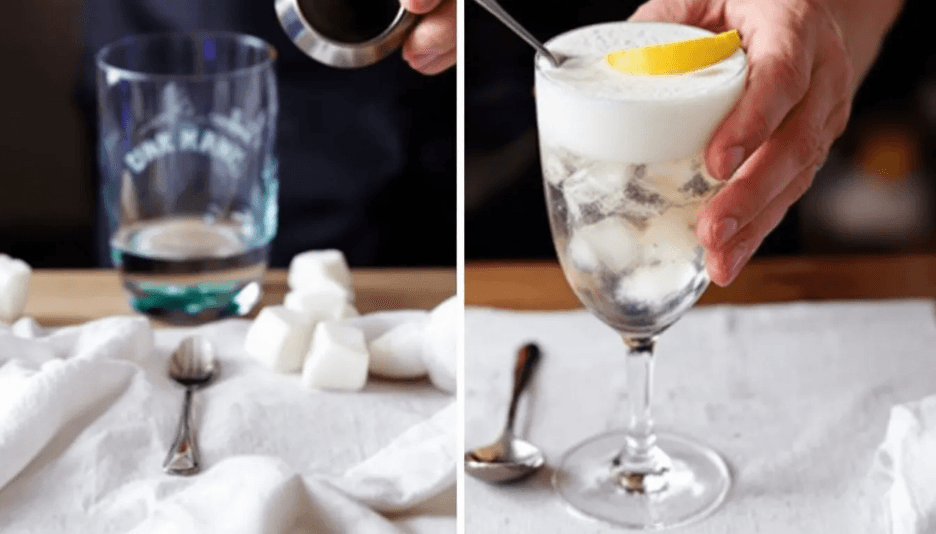
Henry Ramos created the original gin fizz in New Orleans, establishing a cocktail that required unprecedented attention to technique and timing. The classic preparation demanded twelve minutes of continuous shaking to achieve the proper texture, creating a light, frothy drink that became legendary among bartenders and customers alike.
The gin fizz reached peak popularity when one establishment reportedly served 40 gin fizzes in a single 24-hour period, demonstrating both the drink’s appeal and the physical demands it placed on bartenders. This popularity led to the evolution of the Ramos Gin Fizz, which added cream and egg white to create an even more luxurious texture and appearance.
The technique requirements made the gin fizz a showcase for bartending skill. The extended shaking necessary to properly incorporate the egg white and create the signature foam required both physical stamina and technical precision. This attention to method elevated cocktail preparation from simple mixing to skilled craftsmanship.
The drink’s cultural significance extended beyond New Orleans, influencing cocktail development across America and establishing the importance of texture in mixed drinks. Modern bartenders still study Ramos’s techniques, though many now use electric mixers or specialized tools to achieve similar results without the marathon shaking sessions.
The Daiquiri (1898)
American mining engineer Jennings Cox invented the classic daiquiri while working in Cuba, creating a simple three-ingredient masterpiece that would become one of the most influential cocktails in history. The original combination of white rum, fresh lime juice, and sugar achieved perfect balance through careful proportions rather than complex ingredients.
The daiquiri’s popularity grew significantly among American expatriates in Cuba before spreading to the United States. Its simple elegance appealed to drinkers who appreciated rum’s character enhanced by citrus brightness and balanced with sweetness. This combination created a template that influenced countless rum-based cocktails.
The drink evolved dramatically with technological advances, particularly after the 1937 introduction of the Miracle Mixer, which enabled the creation of frozen daiquiri variations. While the frozen version became popular in casual establishments, the classic daiquiri maintained its status among serious cocktail enthusiasts who valued its original simplicity and balance.
Ernest Hemingway’s association with the daiquiri further elevated its cultural status. His preference for variations like the Papa Doble, which eliminated sugar and added grapefruit juice, demonstrated how the basic template could accommodate personal tastes while maintaining its essential character. This adaptability contributed to the daiquiri’s enduring popularity.
Aviation and Sidecar (1916-1920)
The Aviation cocktail debuted in 1916, showcasing the growing sophistication of cocktail recipes through its use of crème de violette, a delicate liqueur that created complex floral notes when combined with gin, fresh lemon juice, and maraschino liqueur. This combination represented the pinnacle of pre-Prohibition cocktail development.
The Aviation nearly disappeared due to crème de violette’s unavailability for decades, demonstrating how cocktail culture depends on ingredient accessibility. Many bartenders created variations without the violet liqueur, but these versions lacked the original’s distinctive character. The cocktail’s revival during the 2000s craft cocktail movement required sourcing authentic crème de violette to recreate the authentic experience.
The Sidecar emerged during World War I, with various stories connecting its creation to motorcycle transport used by military officers. Whether invented in London or Paris, the combination of cognac, orange liqueur, and fresh lemon juice created a template that influenced numerous brandy-based cocktails, including the popular Brandy Alexander.
Both cocktails demonstrate the increasing complexity of mixology as bartenders gained access to diverse ingredients through global trade. The Aviation’s four-ingredient complexity and the Sidecar’s refined balance showed how cocktail culture had evolved from simple mixed drinks to sophisticated creations requiring specialized knowledge and technique.
The Prohibition Era and Global Influence
Prohibition dramatically affected American cocktail culture, forcing innovation through ingredient substitutions and driving many bartenders to international destinations. The era’s challenges led to creative adaptations using available spirits like bathtub gin, while many classic recipes evolved to accommodate lower-quality alcohol through increased emphasis on mixers and flavorings.
International cocktail development continued during this period, with drinks like the Pisco Sour emerging in Peru around 1903 and the Margarita appearing in Mexico by 1942. These creations demonstrated how cocktail culture had become global, with different regions developing signature drinks using local spirits and ingredients.
The survival of classic cocktails during Prohibition required adaptation and resourcefulness. Bartenders modified recipes to work with available spirits, often increasing proportions of fruit juices, simple syrup, and other mixers to mask the harsh flavors of illegally produced alcohol. These modifications sometimes became permanent parts of cocktail evolution.
Post-Prohibition revival brought standardization efforts as legitimate establishments sought to restore quality and consistency to cocktail preparation. This period saw the documentation and preservation of classic recipes, ensuring that traditional formulations would survive for future generations while allowing for continued innovation within established frameworks.
Legacy and Modern Revival
The 2000s craft cocktail movement sparked renewed interest in these oldest cocktails, with bartenders researching historical recipes and techniques to recreate authentic experiences. This revival emphasized ingredient quality, traditional preparation methods, and respect for cocktail history while allowing for contemporary interpretations and improvements.
Modern mixology owes its foundation to these historic drinks, which established fundamental principles of balance, technique, and presentation that continue to guide contemporary bartending. The emphasis on fresh ingredients, proper dilution, and careful measurement traces directly back to these early cocktail pioneers.
The transformation of bartending from service work to skilled profession began with the creators of these classic cocktails. Figures like Jerry Thomas, Henry Ramos, and Antoine Peychaud elevated cocktail preparation through technical innovation, theatrical presentation, and unwavering attention to quality that established bartending as a respected craft.
Contemporary bars worldwide continue serving many of these oldest cocktails in forms remarkably similar to their original recipes. The Old Fashioned, Manhattan, and Daiquiri remain menu staples, while revived drinks like the Aviation and Sazerac have found new audiences among cocktail enthusiasts who appreciate their historical significance and complex flavors.
The influence of these classic drinks extends beyond their individual recipes to the broader culture of cocktail appreciation. They established traditions of garnishing with cocktail cherries, serving specific drinks in designated glassware, and maintaining consistent preparation standards that define professional bartending today.
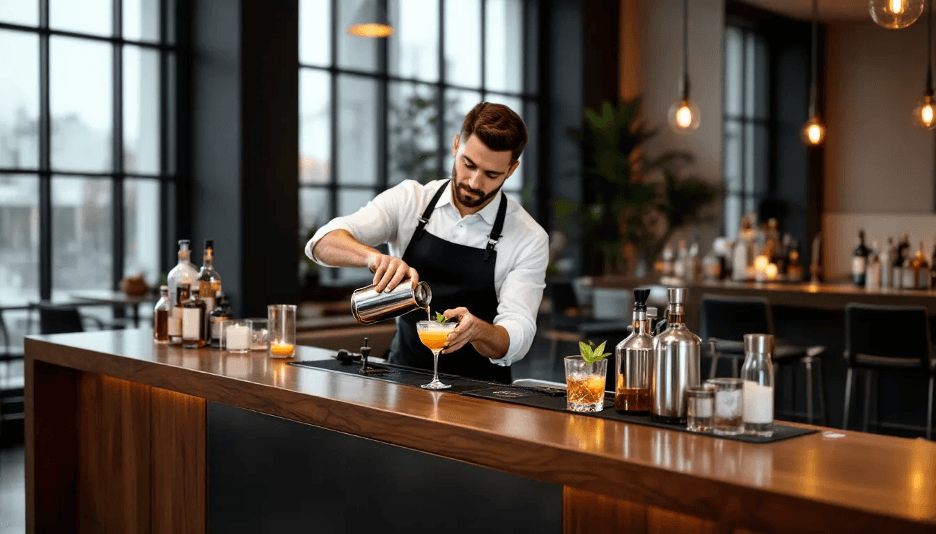
The oldest cocktails created templates that continue inspiring new creations. Modern variations like the Paper Plane or the Naked and Famous use the same structural principles established by the Aviation and Last Word, demonstrating how classic formulations provide frameworks for ongoing innovation.
These historic drinks also established cocktail culture as a social institution, transforming bars from simple drinking establishments into gathering places where skilled bartenders create experiences that combine craftsmanship, hospitality, and cultural tradition. This legacy continues in contemporary cocktail culture, where appreciation for these classics often serves as an entry point for deeper exploration of mixology.
The educational value of studying these oldest cocktails provides insight into broader historical, cultural, and technological developments. Understanding how ingredient availability, trade routes, medical knowledge, and social customs influenced cocktail creation offers perspectives on how human innovation adapts to circumstances while creating lasting cultural contributions.
Modern home bartenders increasingly seek to recreate these classics, driving demand for quality ingredients like rye whiskey, dry vermouth, and proper bitters that enable authentic preparation. This trend has improved ingredient availability while fostering appreciation for the skill and knowledge required to execute these seemingly simple recipes properly.
The sustainability of these oldest cocktails through changing tastes, social movements, and technological advances demonstrates their fundamental appeal and adaptability. Their continued popularity suggests that great cocktails transcend temporary trends by achieving balance, complexity, and satisfaction that remains relevant regardless of contemporary fashion.
FAQ
What ingredients were used in the world’s oldest cocktail El Draque, and why were they chosen?
El Draque combined aguardiente (early rum), sugar cane juice, fresh lime, mint leaves, and chuchuhuasi bark. These ingredients were chosen for both medicinal and practical purposes: the lime provided vitamin C to prevent scurvy, the chuchuhuasi bark offered additional medicinal benefits learned from indigenous populations, and the alcohol made the mixture safer to drink than contaminated water supplies common on 16th-century ships.
How did Prohibition affect the recipes and availability of these classic cocktails?
Prohibition forced significant adaptations in classic cocktail recipes as bartenders had to work with lower-quality, illegally produced spirits. Many recipes were modified to include more fruit juices, simple syrup, and other mixers to mask harsh flavors of bathtub gin and other bootleg alcohol. Some cocktails like the Aviation nearly disappeared due to ingredient unavailability, while others evolved permanently to accommodate the limitations of available spirits.
Which of these oldest cocktails are still served in their original form today?
The Old Fashioned, Manhattan, Sazerac, and Daiquiri remain largely unchanged from their original recipes and are widely served in contemporary bars. The Gin Rickey and basic gin fizz also maintain their original formulations. However, drinks like El Draque evolved into the modern mojito, losing the medicinal chuchuhuasi bark, while the Aviation was recreated only after crème de violette became available again during the 2000s craft cocktail revival.
What role did medicinal purposes play in the creation of early cocktails?
Many early cocktails originated as medicinal remedies before becoming recreational drinks. El Draque treated scurvy and provided safer drinking alternatives to contaminated water. Bitters in drinks like the Sazerac and Old Fashioned originally served digestive and general health purposes. The hot toddy functioned as a cold remedy, while punch recipes often included spices believed to have therapeutic properties. This medicinal foundation explains why many classic cocktails incorporate ingredients that originally served health-related functions.
How can home bartenders accurately recreate these historic cocktails with modern ingredients?
Home bartenders should focus on sourcing quality base spirits appropriate to each recipe’s era - rye whiskey for pre-Prohibition American cocktails, cognac for early international drinks, and proper rum for Caribbean-influenced cocktails. Using traditional bitters like Angostura and Peychaud’s, real simple syrup instead of artificial sweeteners, and fresh citrus juices rather than bottled versions will create more authentic flavors. Proper technique matters significantly - stirring vs. shaking, appropriate dilution, and correct garnishes all contribute to recreating these classics as their creators intended.