
Serving wine at the wrong temperature can completely transform its taste – and not in a good way. Whether you’re hosting unexpected guests or simply want to enjoy that bottle you just picked up, knowing how to chill wine properly makes the difference between a mediocre glass and an exceptional wine experience.
The science is clear: temperature dramatically affects how we perceive wine’s aromas, flavors, and overall character. Serve a red wine too warm, and the alcohol becomes harsh and overwhelming. Chill a white wine too much, and you’ll miss out on its complex aromatics and nuanced flavors.
Today’s blog will teach you the fastest wine chilling methods, ideal serving temperatures for every wine style, and professional techniques that ensure perfect wine service every time.
Key Takeaways
- Ice water bath with salt chills wine bottles in 15-20 minutes, faster than any other method
- White wines should be served at 45-55°F, red wines at 55-65°F, and sparkling wines at 43-47°F
- Pre-chilling wine glasses in the freezer speeds up the cooling process for immediate serving
- Wet towel wrapping works best in freezers with good air circulation
- Wine thermometers ensure precise temperature control for optimal flavor
- Never add ice cubes directly to wine as it dilutes the flavor
Fast Wine Chilling Methods
When you need to chill wine quickly, several proven methods can bring your bottle to the perfect serving temperature in minutes rather than hours. The key lies in understanding heat transfer principles and maximizing surface contact between your wine bottle and the cooling medium.
The Salted Ice Water Method
The fastest way to chill wine involves creating a salted ice water bath that can reach temperatures below freezing without actually freezing. This method leverages salt’s ability to lower water’s freezing point, creating a super-cooled environment that rapidly draws heat from your wine bottle.
What you’ll need:
- Large ice bucket or mixing bowl
- Ice (about ⅔ of your container)
- Cold water (⅓ of your container)
- Kosher salt (generous handful)
Step-by-step process:
- Fill your container with ⅔ ice and ⅓ cold water
- Add a generous handful of kosher salt and stir
- Submerge the wine bottle completely
- Gently agitate the bottle every few minutes by spinning it
- Check temperature after 10-15 minutes
This method can chill a wine bottle from room temperature to ideal serving temperature in just 15-20 minutes. The agitation is crucial – it exposes different parts of the wine to the cooler glass surfaces, accelerating the cooling process.
Wet Towel Technique
The wet towel method works by increasing the surface area for heat transfer and utilizing evaporative cooling. This technique is particularly effective in freezers with strong air circulation.
How it works:
- Soak a clean kitchen towel in cold water
- Wrap the towel around your wine bottle
- Place the wrapped bottle in your freezer
- Set a timer for 30 minutes maximum
The wet towel creates additional surface area and the water’s evaporation helps draw heat away from the bottle more efficiently than placing a bare bottle in the freezer. However, this method requires good freezer airflow to be effective and won’t work well in crowded freezers.
Pre-Chilling Glasses Method
Don’t overlook the power of pre-chilled glasses. This simple technique can immediately drop your wine’s temperature by several degrees the moment you pour.
Place your wine glasses in the freezer for 10-15 minutes before serving. When you pour wine into ice cold glasses, the immediate heat transfer can lower the wine’s temperature by 3-5 degrees instantly – perfect for fine-tuning temperature or handling emergency situations.
Emergency Chilling Techniques
For truly desperate situations, you can pour wine into a sealed plastic bag and submerge it in ice water. The dramatically increased surface area can achieve up to 20 degrees of cooling in just 30 minutes. While this method works, it’s generally reserved for very casual occasions.
Chilling Time Comparison:
- Salted ice water bath: 15-20 minutes
- Wet towel in freezer: 30 minutes
- Standard refrigerator: 2-3 hours for whites, 30 minutes for reds
- Plain ice water (no salt): 25-30 minutes

Ideal Wine Serving Temperatures
Understanding wine serving temperatures is crucial for maximizing your wine’s potential. Temperature affects everything from aroma release to how we perceive sweetness, acidity, and tannins. Here’s your comprehensive guide to ideal serving temperatures for different wine styles.
Temperature Effects on Wine
Temperature directly influences the volatility of aromatic compounds in wine. Warmer temperatures increase volatility, releasing more aromas but potentially making alcohol seem harsh. Cooler temperatures preserve structure and acidity but can suppress delicate flavors and aromatics.
Comprehensive Wine Temperature Chart:
| Wine Style | Ideal Temperature | Key Benefits |
| Sparkling wines (Champagne, Prosecco) | 43-47°F | Preserves bubbles, prevents rapid frothing |
| Light white wines, Rosé | 45-50°F | Maintains freshness and crisp acidity |
| Full bodied white wines | 50-55°F | Enhances complexity while preserving structure |
| Sweet wines | 43-47°F | Balances sweetness with refreshing finish |
| Light reds (Pinot Noir) | 55-60°F | Highlights delicate fruit, minimizes harsh tannins |
| Medium bodied red wines | 60-65°F | Optimizes balance and aromatic expression |
| Bold red wines | 62-68°F | Softens tannins, enhances bouquet |
Red Wine Temperature Guidelines
The old rule about serving red wine at room temperature is outdated for modern homes. Today’s room temperature typically ranges from 70-75°F, which is too warm for optimal red wine service.
Light-bodied reds like Pinot Noir and Chianti benefit from slight chilling to 55-60°F. This temperature range highlights their delicate fruit characteristics while preventing the alcohol from becoming too prominent. Chill these wines in your refrigerator for 20-30 minutes before serving.
Medium bodied red wines such as Merlot and Sangiovese reach their optimal expression between 60-65°F. At this temperature, you’ll experience the best balance between fruit flavors, acidity, and tannin structure.
Bold red wines including Cabernet Sauvignon and Bordeaux blends should be served between 62-68°F. This slightly warmer range allows their complex aromatics to fully develop while keeping tannins smooth and approachable.
White and Rosé Wine Temperatures
White wines showcase their best characteristics when properly chilled, but over-chilling can mute their complexity and aromatic profile.
Light whites like Sauvignon Blanc and Pinot Grigio shine at 45-50°F. This temperature preserves their characteristic crispness and bright acidity while allowing their fresh fruit flavors to come through clearly.
Full bodied white wines such as Chardonnay and Viognier should be served at 50-55°F. The slightly warmer temperature allows their complex flavors and textures to fully express themselves without losing their refreshing quality.
Sweet wines including Riesling and Moscato benefit from cooler service at 43-47°F. The lower temperature helps balance their natural sweetness with refreshing acidity.
Rosé wines perform best at 45-50°F, similar to light whites. This temperature range preserves their fresh fruit character while maintaining the crisp, refreshing quality that makes rosé so appealing.
Sparkling Wine Chilling
Sparkling wine and Champagne require special attention to temperature because it directly affects carbonation and bubble formation. The ideal temperature range of 43-47°F preserves the wine’s effervescence and prevents rapid foaming when poured.
For vintage Champagne, consider serving at the higher end of this range (around 50°F) to allow the wine’s complex, aged aromas to develop fully. The slightly warmer temperature reveals the nuanced flavors that develop during extended aging.
Proper glassware also matters for sparkling wines. Use tulip-shaped flutes that preserve bubbles and direct aromatics efficiently toward your nose.
Wine Chilling Tools and Equipment
Professional wine service relies on proper tools and equipment to achieve consistent results. Investing in quality wine chilling tools can dramatically improve your wine service and eliminate guesswork.
Wine Thermometers
A wine thermometer is the most reliable way to ensure perfect serving temperatures. Digital probe thermometers offer the highest accuracy (within ±1-2°F), while strip-style thermometers provide quick readings but with slightly less precision.
For serious wine enthusiasts, a digital wine thermometer with multiple temperature settings can store ideal temperatures for different wine styles, making it easy to achieve consistent results.
Ice Buckets and Cooling Solutions
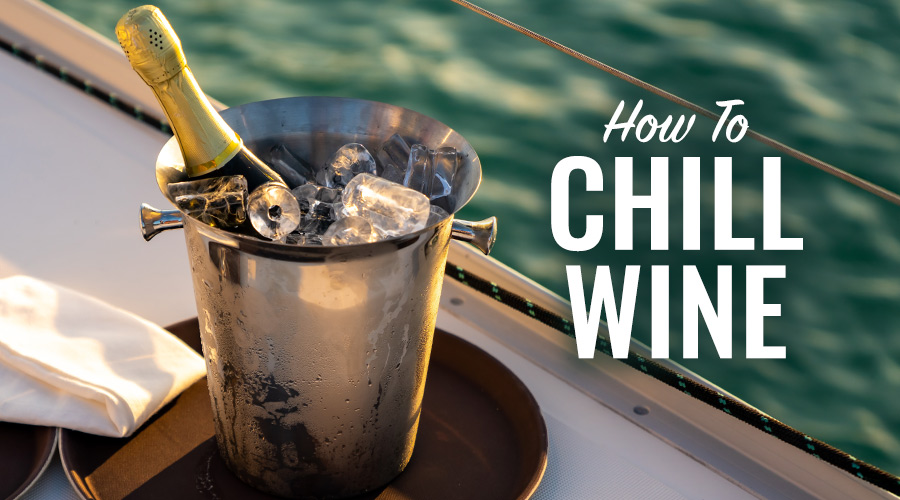
When selecting an ice bucket, metal construction transfers cold most effectively, though glass and acrylic options work well too. Choose wider buckets that accommodate larger bottles and allow better agitation during the chilling process.
Modern wine accessories include gel-filled cooling sleeves that you keep in your freezer. These provide rapid, mess-free cooling and are perfect for outdoor entertaining or travel.
Wine Refrigerator and Storage Solutions
A dedicated wine fridge offers precise temperature control with separate zones for different wine types. Dual-zone wine refrigerators allow you to store red wines at 55°F and white wines at 45°F simultaneously.
For wine storage, maintain a consistent temperature around 55°F with 70-80% humidity to preserve cork integrity. Standard kitchen refrigerators are too cold for long-term wine storage and can dry out corks over time.
Professional Sommelier Tools
Advanced wine service tools include immersion cooling sticks, powered bottle coolers for tableside service, and precision cooling baths used in restaurant wine service. While not necessary for home use, these tools demonstrate the level of precision possible in professional wine service.

Common Wine Chilling Mistakes
Even experienced wine drinkers make temperature-related mistakes that can significantly impact their wine experience. Understanding these common pitfalls helps you avoid them and serve wine at its best.
Over-Chilling White Wines
The most frequent mistake with white wine is serving it too cold. When white wines are over-chilled, their aromatics become muted and their flavors seem flat and one-dimensional. If you’ve over-chilled a white wine, let it rest at room temperature for 10-15 minutes to allow its flavors to open up.
Serving Red Wines Too Warm
Modern room temperature is simply too warm for most red wines. At 70-75°F, red wines can taste flabby, overly alcoholic, and unbalanced. The alcohol becomes harsh and overwhelming, masking the wine’s fruit and structural elements.
If your red wine tastes too warm, place it in the refrigerator for 15-20 minutes or use a quick ice bath to bring it down to the proper temperature range.
Adding Ice Cubes Directly to Wine
While some casual situations might call for ice in wine, this practice dilutes the wine as the ice melts, fundamentally changing its flavor profile and alcohol content. Even renowned winemaker Robert Mondavi occasionally added ice to wine, but experts generally recommend against this practice except in very informal settings.
If you must use ice, add it briefly to cool the wine, then remove it before significant melting occurs.
Freezer Accidents and Damage
Leaving wine in the freezer too long poses serious risks. As wine freezes, the water content expands, potentially cracking the bottle or forcing the cork out. Most experts recommend never leaving glass bottles in the freezer for more than 20-30 minutes.
Set a timer whenever you use the freezer method to avoid accidents that can damage both your wine and your freezer.
Temperature Shock
Rapid temperature changes can “shock” wine, temporarily muting its aromatics and flavors. This is particularly problematic with fine wines that have complex flavor profiles. If you suspect temperature shock, let the wine rest at a stable temperature for 20-30 minutes before serving.
Storage Tips for Easy Chilling
Proper wine storage sets you up for success when it’s time to serve. By maintaining ideal storage conditions and keeping some bottles at serving temperature, you’ll always be ready for any occasion.
Optimal Storage Temperatures
Store wine at a consistent 55°F for long-term aging and flavor development. This temperature promotes slow, controlled development while preventing premature aging or spoilage.
Temperature stability matters more than hitting an exact degree. Fluctuations of more than 10 degrees can cause corks to expand and contract, potentially allowing air into the bottle.
Ready-to-Serve Wine Rotation
Keep a rotation of wines at serving temperature for impromptu occasions. Store 2-3 white wines in your refrigerator and rotate them regularly to ensure freshness. For red wines, remove them from storage 30-45 minutes before serving to reach ideal temperature.
Protecting Wine Quality
Store wine bottles horizontally to keep corks moist and maintain their seal. Protect wine from direct sunlight and vibration, both of which can degrade wine quality over time.
Maintain proper humidity levels (70-80%) to prevent corks from drying out. Most wine refrigerators include humidity control, but home cellars may need additional humidity management.

Troubleshooting Temperature Issues
Even with careful planning, temperature issues can arise. Here’s how to quickly diagnose and fix common wine temperature problems.
Wine Too Cold
Symptoms: Muted aromas, flat flavors, harsh tannins in red wine Solutions:
- Cup the bowl of your wine glass with your hands to gently warm the wine
- Let the bottle rest at room temperature for 10-15 minutes
- Pour small amounts and let them warm in the glass
Wine Too Warm
Symptoms: Prominent alcohol smell, flabby mouthfeel, overpowering heat sensation Solutions:
- Brief ice water bath (5-10 minutes)
- Freezer treatment (10-15 minutes maximum)
- Pre-chilled glassware for immediate temperature drop
Seasonal Adjustments
During hot summer months, serve wine a few degrees cooler than usual to compensate for rapid warming in the glass. For outdoor events, consider serving wine 3-5 degrees below optimal temperature.
In winter, wines can benefit from serving at the higher end of their temperature ranges to enhance mouthfeel and aromatics.
Recovery from Temperature Shock
If wine seems muted or “closed” after rapid temperature changes, let it rest at stable temperature for 20-30 minutes. Gentle swirling can help restore aromatics, but avoid aggressive aeration which might strip delicate flavors.
Conclusion
Perfect wine temperature transforms an ordinary glass into an extraordinary experience. Whether you’re using the rapid salted ice water method for unexpected guests or carefully monitoring your wine refrigerator for optimal storage, understanding temperature control elevates every bottle you open.
Start with these basic chilling methods and gradually invest in better tools as your wine collection grows. Remember that personal preference plays a role – use these guidelines as starting points and adjust based on your taste preferences and the specific characteristics of different wines.
The difference between good wine and great wine often comes down to just a few degrees. Master these temperature techniques, and you’ll unlock the full potential of every bottle in your wine collection.
FAQ
Chilling controls aroma and taste. Proper temperature highlights acidity, freshness, and balances alcohol. Too warm makes wine seem flabby and alcoholic; too cold mutes flavors.
Partly, but it’s also about science. Different wines show their best qualities at specific temperatures.
Yes, but the ideal serving temperatures vary. Whites, Rosés, and Sparkling wines typically benefit most from chilling.
Typically 2–3 hours for White & Rosé, and 3–4 hours for Sparkling. But it depends on starting temp.
Yes — overly cold wine (below ~40°F / 4°C) may lose aromas and taste muted.
Between 40–50°F (4–10°C). Closer to 40°F for fresh styles, 50°F for richer vintage bottles.
Lower temps keep CO₂ dissolved longer, maintaining bubbles and freshness.
Yes, but carefully. 30–45 min max, or risk freezing & exploding.
Absolutely. A bucket with half ice, half water chills bottles to ~45°F in about 20 minutes.
More surface contact with ice/water for faster chilling.
Generally 45–55°F (7–13°C). Lighter styles like Pinot Grigio closer to 45°F, oaked Chardonnays around 55°F.
2–3 hours usually brings it down to the right range.
Yes. Over-chilling masks aromas & complexity.
Leave it on the table for 10–15 min. It will warm a few degrees and release aromas.
Yes, but let it warm slightly before serving.
Around 45–50°F (7–10°C). Similar to light White wines.
Yes. It can taste bland. Slight warming lets fruitiness shine.
Yes, but no more than 30–40 min to avoid freezing.
About 2 hours.
Perfect. 20 min in ice/water mix brings it to ~45°F.
Use an ice & water bucket, spin bottle gently every 5 min. Ready in 15–20 min.
Yes. Salt lowers freezing point, making water colder, chilling wine faster.
It’s fine for short periods (30–45 min max). Longer risks freezing & cork pushing out.
The liquid expands, may push out cork or crack bottle. Even if intact, wine quality suffers.
They help keep a glass cool, but won’t chill a full bottle effectively.
Because overly chilled bottles stay fresh longer and can mask flaws. Let it warm in glass.
Door shelves fluctuate in temp. Better to lay bottles on a middle shelf.
A bit. Very cold temps mute fruit & sweetness. Slightly warmer highlights it.
Not quite. Light reds like Pinot Noir benefit from ~55°F (13°C). Chill briefly (30–40 min in fridge).
Wrap the bottle in a wet towel and place in front of a fan. Evaporation cools it down.