
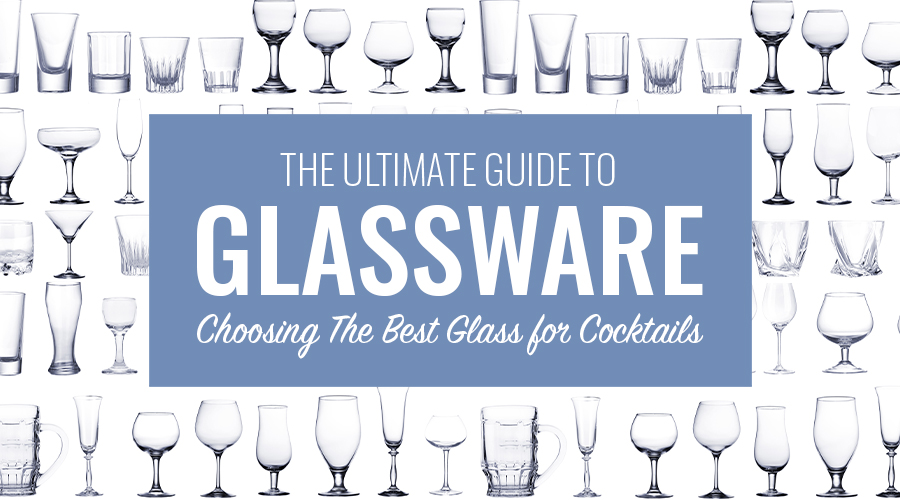
The right cocktail glass can elevate your drinking experience from ordinary to extraordinary. While a skilled head bartender might make any drink taste exceptional, the glassware you choose plays a crucial role in how aromatics reach your nose and palate, how temperature is maintained, and how the overall drinking experience unfolds. Whether you’re hosting a cocktail party or simply want to enjoy better drinks at home, understanding which glass works best for different cocktails will transform your home bar.
Today on the blog, we cut through the confusion of countless glass options to focus on what actually matters: the essential cocktail glasses that will handle 90% of your cocktail needs, plus smart recommendations for when to invest in specialty pieces.
Essential Cocktail Glass Types

The science behind cocktail glassware isn’t just about aesthetics—glass shape directly affects taste, aroma, temperature, and carbonation. Wide mouths on stemmed glasses allow your nose to access aromatics that define the drinking experience of “up” cocktails. Meanwhile, tall narrow profiles in highball glasses preserve carbonation and manage dilution for mixed drinks.
Investing in quality glassware enhances every aspect of your cocktails. Purpose-designed shapes bring out complexities in aroma, temperature, color and flavor that you simply can’t achieve with random drinking glasses from your kitchen cabinet.
The four must-have categories cover virtually every classic and contemporary cocktail:

Coupe Glass: The Bartender’s Favorite
The coupe glass has become the go-to choice for professional bartenders serving cocktails “up” without ice. With its shallow, broad bowl and elegant long stem, the coupe strikes the perfect balance between form and function.
The 5-6 ounce capacity provides an ideal fit for most shaken and stirred classics. This size allows a 3-4.5 ounce finished cocktail to sit with appropriate headspace for aromatics without creating spill risk. The wide bowl captures and concentrates aromas while the stem prevents your hand from warming the chilled drink.

Professional bartenders prefer coupe glasses over martini glasses for most non-martini up drinks because the coupe’s balanced design offers better stability and more elegant foam presentation for egg-white cocktails. The broad bowl showcases the texture of drinks like Whiskey Sours or Gin Fizzes, while the manageable size prevents the top-heavy feel of oversized martini glasses.
Perfect cocktails for coupe service include:
- Daiquiri variants where the lime and rum aromatics shine
- Sidecar with its cognac and orange liqueur complexity
- Aviation cocktails that benefit from the wide aromatic opening
- Any egg white cocktail where foam presentation matters
The coupe’s vintage appeal connects your home bar to cocktail history, but don’t use coupes for champagne cocktails—the wide surface area causes bubbles to dissipate quickly compared to proper champagne flutes.
Double Old-Fashioned Glass: The Versatile Workhorse
The double old fashioned glass (also called a rocks glass or lowball glass) serves as the workhorse of any serious home bar. With its 10-14 ounce capacity and heavy, wide base, this glass handles everything from neat whiskey pours to muddled cocktails with equal grace.
The substantial weight and thick base make double old fashioned glasses perfect for muddling herbs and fruit directly in the glass. When you’re crafting an old fashioned with sugar and orange peel, or building a mojito with fresh mint, the sturdy construction withstands the pressure without cracking.

The wide rim enhances aroma for neat spirits and spirit-forward cocktails, while the generous capacity accommodates large ice cubes or spheres that melt slowly and minimize dilution. This makes double old fashioned glasses ideal for:
- Old fashioned cocktails with muddled ingredients
- Negroni traditionally served over ice
- Whiskey sours served on the rocks
- Margaritas on the rocks with salt rim
- Neat bourbon or scotch pours
Many quality double old fashioned glasses offer dishwasher safe construction, making them practical for frequent use. The durability and versatility of fashioned glasses mean they’ll see constant use beyond cocktails—they’re equally at home serving whiskey neat or holding your evening bourbon.
Highball Glass: For Tall and Refreshing Drinks
The highball glass serves tall cocktails that rely on a large proportion of non alcoholic mixer. At 8-12 ounces with a tall, narrow profile, highball glasses are specifically designed to preserve carbonation and showcase the visual appeal of bubbling mixed drinks.
The narrow shape helps maintain the effervescence that defines drinks like gin and tonics or moscow mules. When you build these cocktails directly in the glass—as is traditional—the tall profile provides room for ice while maintaining proper proportions between spirit and mixer.

Highball glasses excel at temperature management for long drinks. The tall format provides more surface area for heat exchange while the narrow opening minimizes temperature rise compared to short, wide glasses. This keeps your gin and tonic refreshingly cold throughout the drinking experience.
Essential tall cocktails for highball service:
- Tom Collins with its signature tall, fizzy profile
- Mojito with muddled mint and club soda
- Moscow mule traditionally served in copper mugs but works perfectly in highball glasses
- Dark ‘n’ stormy with ginger beer’s spicy carbonation
- Rum and coke or other simple two-ingredient highballs
The Collins glass offers a taller, narrower alternative at 10-14 ounces, but highball glasses provide more versatility for most home bars. They’re also practical for non-alcoholic beverages, increasing their value in kitchens with limited storage space.
Martini Glass: The Iconic Classic
The martini glass remains the ultimate symbol of cocktail culture, with its distinctive V-shaped bowl and long stem creating an unmistakable silhouette. Originally designed in 3-6 ounce capacities, modern martini glasses typically range from 6-8 ounces to accommodate contemporary serving sizes.
The steep-sided bowl serves specific functions for martini service. The inverted cone shape prevents ingredient separation between gin or vodka and vermouth, while the wide mouth provides maximum access to the gin’s botanical aromatics. The long stem ensures your hand never warms the ice-cold spirit.

While martini glasses work beautifully for their namesake cocktail, many bartenders prefer coupe glasses for other “up” cocktails. The martini glass’s steep angles can make it spill-prone, and the cultural association with martinis makes it feel less appropriate for drinks like sidecars or aviations.
Best uses for martini glasses:
- Classic gin or vodka martinis where the shape enhances the ritual
- Cosmopolitans that benefit from the glamorous presentation
- Gimlets where the lime aromatics need space to develop
- Manhattans when you want the most traditional presentation
For smaller, spirit-forward cocktails, consider nick and nora glasses as an elegant alternative. These 4-5 ounce glasses offer a more refined, less spill-prone profile while maintaining the sophistication of stemmed service.
Specialty Cocktail Glasses
Beyond the four essential types, certain cocktails truly shine in purpose-built specialty glasses. The key is understanding when these investments enhance your drinking experience versus when they’re just taking up cabinet space.
Champagne Flutes
Champagne flutes are essential if you regularly serve sparkling wine cocktails. The tall, narrow 5-7 ounce bowl preserves bubbles that would quickly dissipate in wide coupe glasses. The tight opening maintains carbonation while the long stem prevents warming.
Flutes excel for:
- French 75 where champagne’s effervescence is central
- Bellini and other sparkling wine cocktails
- Mimosa for weekend brunch service
- Kir royale and similar champagne cocktails
The visual appeal of rising bubbles makes flutes worth the investment if you frequently serve champagne cocktails. However, skip flutes if you only occasionally drink sparkling wine—regular wine glasses will suffice.
Nick and Nora Glass
Named after the sophisticated detectives in the thin man films, nick and nora glasses bring elegance to small-batch cocktails. The 4-5 ounce egg-shaped bowl resembles a miniature wine glass and works perfectly for boozy, spirit-forward cocktails under 5 ounces.
These glasses suit:
- Vesper martinis in their original smaller proportions
- Sazerac when served “up” rather than in rocks glasses
- Manhattan variants where you want refined presentation
- Any classic cocktail where the original specs called for smaller serves
Nora charles would approve of these glasses for their sophisticated proportions, but they’re a luxury rather than necessity for most home bars.
Copper Moscow Mule Mugs
While not technically glassware, copper moscow mule mugs represent the intersection of tradition and function. The metal’s thermal properties create an exceptionally cold tactile experience that enhances the moscow mule’s refreshing nature.
Traditional copper mugs may improve flavor through subtle reactions with the lime and ginger beer, though food-safe linings are standard in modern production. The authentic presentation connects your home bar to cocktail history, making copper mugs worthwhile if moscow mules appear regularly in your repertoire.
Glass Material and Quality Considerations
The material choice for your cocktail glasses affects both performance and durability. Lead free crystal offers superior clarity and thinner rims compared to regular machine made glass, enhancing the tactile experience of each sip. The improved clarity showcases your cocktail’s color and any garnish details.
Crystal glasses typically feature thinner construction that feels more elegant in hand, particularly important for stemmed pieces like coupes and martini glasses. However, this delicacy requires more careful handling and often hand washing rather than dishwasher cleaning.
Regular tempered glass provides excellent durability for frequently used pieces like double old fashioned glasses and highball glasses. Many quality glass manufacturers now offer dishwasher safe options that maintain clarity through repeated washing cycles.
Machine made glass provides reliable performance at budget-friendly prices. While not offering crystal refinement, quality machine made glass delivers the proper shapes and capacities needed for excellent cocktails.
Avoid plastic alternatives for serious cocktail service. Plastic lacks the thermal properties and rim quality that enhance the drinking experience, though it serves adequately for outdoor entertaining where breakage is a concern.
Choosing the Right Glass Size
Proper sizing ensures your cocktails maintain quality and visual appeal. Smaller capacity glasses under 10 ounces preserve cocktail integrity by minimizing surface area that leads to warming and dilution.
For “up” cocktails served without ice, glasses around 5-6 ounces provide ideal proportions. A 3-4.5 ounce finished cocktail sits with appropriate headspace for aromatics while preventing the drink from looking lost in an oversized bowl. The wide mouth supports nose engagement while stems limit warming from your hands.
Rocks drinks benefit from glasses sized to match typical builds. Single old fashioned glasses at 6-10 ounces work for standard cocktails with one large ice cube, while double old fashioned glasses at 10-14 ounces accommodate drinks with more mixer or larger ice without looking undersized.
Highball service requires balancing ice displacement with mixer proportions. The 8-12 ounce range accommodates standard builds where you add ice first, then 1-2 ounces of spirit, and top with 4-6 ounces of mixer.
Example Size Fits for Popular Cocktails
- Daiquiri (3-4 oz post-shake): Perfect in 5-6 oz coupe glass
- Old fashioned with large ice cube: Ideal in 10-12 oz double old fashioned glass
- Gin and tonic: Standard build fits comfortably in 8-10 oz highball glass
- Manhattan (3.5-4 oz): Works in either 5 oz coupe or 6 oz martini glass
- Whiskey sour on ice: Suits 10-12 oz rocks glass with room for ice and foam
Top Cocktail Glass Recommendations by Brand
Riedel: Premium Crystal Options
For serious cocktail enthusiasts, Riedel’s Drink Specific Glassware line offers purpose-engineered shapes for specific cocktail categories. The thin crystal construction and precise capacities justify the premium pricing.
Standout options:
- Sour glass for whiskey sours and similar cocktails
- Neat glass for spirits appreciation
- Nick & Nora glass for small-batch cocktails
Libbey: Budget-Friendly Reliable Glassware
Libbey provides solid performance at accessible prices, perfect for building your initial cocktail glass collection. While lacking crystal’s refinement, Libbey glasses deliver proper proportions and reliable durability.
Value picks:
- Signature Kentucky Bourbon Trail old fashioned glasses
- Citation coupe glasses for “up” service
- Catalina highball glasses for mixed drinks
When shopping, visit retailers like williams sonoma to compare options in person, feeling the weight and rim quality that separate good glasses from great ones.
Cocktail Glass Care and Maintenance
Proper care extends the life of your cocktail glasses while maintaining their clarity and performance. Different glass types require different approaches based on their construction and intended use.
Hand Washing Delicate Crystal
Stemmed crystal pieces like coupe glasses and martini glasses benefit from careful hand washing. Use warm (not hot) water with mild dish soap, avoiding abrasive sponges that can scratch the surface. The whisper thin rims of quality crystal require gentle handling—hold glasses by the bowl rather than the stem when washing.
Rinse thoroughly to prevent soap residue that can affect taste and create cloudiness. Air dry on a soft towel rather than using dishwasher heat cycles that may stress the crystal.
Dishwasher Safety for Tumblers
Sturdy tumblers like double old fashioned glasses and highball glasses often handle dishwasher cleaning well, especially pieces specifically labeled dishwasher safe. Use the top rack position and avoid high-heat dry cycles that can cause thermal shock.
Storage and Organization
Store glasses rim-down to prevent dust accumulation, or use glass-specific storage solutions that protect rims from contact damage. Avoid stacking different glass types together where weight differences could cause breakage.
Keep frequently used pieces easily accessible—your core four glass types should occupy prime real estate in your bar setup, while specialty pieces can be stored separately until needed.
Conclusion
Building the perfect cocktail glass collection starts with understanding that the best glass for cocktails depends on what you’re drinking. The four essential types—coupe, double old fashioned, highball, and martini glasses—cover virtually every classic and contemporary cocktail you’ll want to make at home.
Start with quality basics in these categories, focusing on proper capacities and durable construction from established brands. Add specialty pieces like champagne flutes or nick and nora glasses only after you’ve established regular use patterns that justify the additional investment.
Remember that great cocktails deserve great glassware, but perfect doesn’t have to mean expensive. A thoughtfully chosen set of the right glasses will enhance every cocktail you make, turning your home bar into a destination worthy of any head bartender’s respect.
Start building your perfect cocktail glass collection today—your future cocktails will thank you for the investment in proper glassware that brings out the best in every drink you craft.
FAQ
The coupe glass offers the most versatility among stemmed options, handling the majority of “up” cocktails with proper proportion and presentation. For overall versatility including non-cocktail use, double old fashioned glasses serve neat spirits, rocks drinks, and everyday beverages.
Start with 4-6 pieces in each essential category (coupe, double old fashioned, highball) to handle most cocktail party scenarios. This provides enough glassware for multiple drinks while allowing for washing between uses.
While wine glasses share the stemmed design of cocktail glasses, they’re not optimized for cocktail service. The bowl shapes and capacities don’t match cocktail proportions, and wine glasses lack the specific features (like martini glass steep sides) that enhance particular drinks.
Coupe glasses feature a shallow, broad bowl with rounded edges, while martini glasses use a V-shaped inverted cone with steep sides. Both serve “up” cocktails, but coupes offer better stability and foam presentation for most non-martini drinks.
Place glasses in the freezer 10-15 minutes before use, or fill with ice water while preparing cocktails. The stem design of “up” glasses specifically supports pre-chilling to maintain cocktail temperature during service.
Quality crystal enhances the drinking experience through thinner rims, superior clarity, and often better proportions. However, start with quality machine made glass to establish your preferences before investing in premium crystal pieces.
Double old fashioned glasses (10-14 oz) provide more versatility than single sizes, accommodating large ice, neat pours, and cocktails with modest amounts of mixer while maintaining proper proportions.
Plastic lacks the thermal properties, rim quality, and clarity that enhance cocktail service. While acceptable for outdoor use where breakage is a concern, plastic significantly compromises the drinking experience compared to proper glass.
The shape of the glass affects aroma concentration, temperature retention, and presentation. It can enhance the flavor profile and overall drinking experience.
Use a Martini glass (also called a cocktail glass). Its wide bowl allows aromatics to open up, while the stem prevents warming the drink with your hands.
A Rocks glass (a.k.a. lowball or Old Fashioned glass). Short, sturdy, and perfect for muddling ingredients and serving over ice.
A Margarita glass with a broad rim for salting and a curved bowl to hold ice or frozen blends. A coupe glass works for an elegant twist.
Traditionally served in a Martini/cocktail glass, but a coupe is also common. Both showcase the drink’s rich color and concentrate aromas.
A Highball glass—tall and narrow, holding plenty of ice, soda, and muddled mint.
Traditionally a Highball glass, but a Copa de Balon (large balloon glass) has become popular for trapping aromas and adding more garnish.
A Rocks glass, since it’s served over a large ice cube to keep it chilled without fast dilution.
A Flute for preserving bubbles, or a coupe for a vintage look (though coupes lose carbonation faster).
A Rocks glass for a casual serve over ice, or a coupe glass for a shaken, ice-free presentation.
A Pint glass or Highball glass—room for lots of ice, garnishes, and mixer.
A Hurricane glass—curvy, tall, and designed for tropical drinks with crushed ice.
A Coupe glass—elegant, with a stem to keep it cold and a wide surface for aroma.
Traditionally served in a copper mug, which keeps the drink ice-cold and adds a distinctive presentation.
A Pint glass for beer-heavy mixes (like shandies or micheladas), or a weizen glass for wheat beer cocktails.