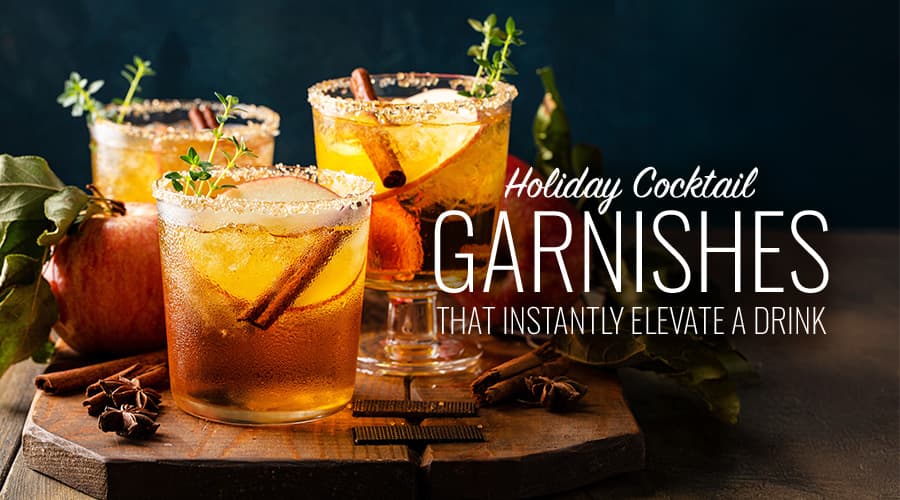
In today’s digital age, a cocktail’s success isn’t just measured by taste—it’s measured by likes, shares, and social media engagement. Research shows that 42% of millennial nightlife consumers have purchased a drink specifically because it “looked good in photos.” This dramatic shift in consumer behavior has transformed cocktail making from a craft focused solely on flavor into an art form that balances taste with visual storytelling. The world of Instagram-worthy cocktails goes far beyond simply throwing an edible flower on top of your drink. It requires a strategic approach that combines color psychology, lighting mastery, composition techniques, and customer engagement
Spec’sology Blog
The World’s Oldest Cocktails: A Journey Through 400+ Years of Mixology History
Long before craft cocktail bars and mixology transformed drink making into an art form, sailors battling scurvy in 1586 Havana created what would become the world’s oldest cocktail. These early mixed drinks emerged from necessity rather than luxury, combining medicinal ingredients with alcohol to create both remedies and refreshing drinks that would evolve over centuries into the classic cocktails we cherish today. The journey from pirate remedies to prohibition-era speakeasies reveals how cocktail culture developed alongside global trade, technological advances, and social movements. Each era brought innovations that shaped modern bartending, from the theatrical Blue Blazer performances of the Gold
Hard Seltzer vs Canned Cocktail: The Ultimate Comparison Guide
The ready-to-drink alcoholic beverage market has exploded in recent years, transforming how consumers approach convenience and taste in their drinking experiences. At the forefront of this revolution are two distinct categories that often get confused: hard seltzers and canned cocktails. While both offer the ultimate convenience of grab-and-go alcoholic drinks, they represent fundamentally different approaches to portable refreshment. Understanding the difference between these categories makes sense for any consumer navigating today’s crowded beverage landscape. Whether you’re planning summer parties, seeking healthier alcoholic drinks, or simply want to drink straight from the can without compromising on taste, this comprehensive comparison will
Celebrate Día de los Muertos with Spec’s!
Día de los Muertos, or Day of the Dead, is a vibrant Mexican tradition that honors loved ones who have passed away. Unlike somber remembrances, this holiday is a joyful celebration filled with music, color, and food that connects families to their heritage. At the center of many festivities are altars (ofrendas) decorated with marigolds, candles, and favorite foods and drinks of those being honored—including tequila and mezcal, both deeply tied to Mexican culture and ritual. At Spec’s, we love bringing flavor and tradition together. To help you toast this special holiday, we’ve created a cocktail that’s as bold and
What is Fortified Wine: A Complete Guide to Port, Sherry, and Beyond
When Portuguese sailors discovered that adding brandy to their wine helped it survive months at sea, they unknowingly created one of the world’s most diverse wine categories. Today, fortified wines represent some of the most complex and versatile wines available, spanning everything from bone-dry aperitifs to rich dessert wines that pair beautifully with chocolate. Understanding what fortified wine is opens up a world of flavor possibilities that extend far beyond the dinner table into your kitchen and cocktail repertoire. Definition and Production Process Fortified wine is traditional wine to which a distilled spirit—most commonly neutral grape spirit or brandy—has been
What Are Bitters: The Ultimate Guide to Cocktail’s Secret Weapon
A few drops can transform an ordinary drink into something extraordinary. Most cocktail enthusiasts have heard of bitters, but few truly understand what makes this mysterious ingredient so essential to great mixology. Whether you’re watching a bartender add a dash to your Old Fashioned or wondering about those small bottles behind the bar, bitters represent one of cocktail culture’s most fascinating and fundamental components. Originally developed as medicinal tonics in the 1700s, bitters evolved from health remedies into the backbone of classic cocktails. Today, they function as the “spice rack” of the bar world, adding complexity, balance, and depth to
Small Batch vs Single Barrel: Understanding the Key Differences in Bourbon
Standing in the whiskey aisle, you’ve likely encountered bottles labeled “small batch” and “single barrel,” wondering what these terms actually mean and which offers better value for your money. These designations represent two fundamentally different approaches to bourbon production, each offering distinct advantages for different drinking occasions and personal preferences. While both small batch bourbon and single barrel bourbon must meet the same strict regulations for bourbon production—aged in new charred oak barrels with specific mash bill requirements—their production methods create vastly different drinking experiences. Understanding these differences will help bourbon enthusiasts make informed purchasing decisions and develop their palate
Best Glass for Cocktails: The Ultimate Guide to Choosing Perfect Glassware
The right cocktail glass can elevate your drinking experience from ordinary to extraordinary. While a skilled head bartender might make any drink taste exceptional, the glassware you choose plays a crucial role in how aromatics reach your nose and palate, how temperature is maintained, and how the overall drinking experience unfolds. Whether you’re hosting a cocktail party or simply want to enjoy better drinks at home, understanding which glass works best for different cocktails will transform your home bar. Today on the blog, we cut through the confusion of countless glass options to focus on what actually matters: the essential
Difference Between Whiskey, Scotch, and Bourbon: A Complete Guide
Walk into Spec’s and you’ll face rows of amber spirits. Some bottles say “whiskey,” others “whisky,” and then there’s “bourbon” and “scotch whisky” thrown into the mix. If you’ve ever wondered about the difference between whiskey scotch and bourbon, you’re not alone—this confusion affects everyone from complete beginners to seasoned drinkers. The key to understanding these spirits lies in recognizing that whiskey is the umbrella term, while bourbon and scotch are specific types within that category. Think of it like this: all bourbon and scotch are whiskey, but not all whiskey is bourbon or scotch. Each has distinct production rules,
Craft Summer Ales and Wheat Beers to Try this Summer
When temperatures soar and the sun beats down, nothing quite satisfies like an ice-cold beer perfectly suited for the season. Summer beer represents more than just any cold beverage – it’s a carefully crafted category of brews designed specifically for hot weather refreshment, outdoor gatherings, and extended drinking sessions under the blazing sun. The magic of summer beer lies in its unique characteristics that distinguish it from heavier, darker brews better suited for cooler months. These beers are unified by their lightness, refreshment factor, sessionability, and easy drinking nature. Whether you’re firing up the grill for a backyard barbecue, lounging
How to Chill Wine: Complete Guide to Perfect Wine Temperatures
Serving wine at the wrong temperature can completely transform its taste - and not in a good way. Whether you’re hosting unexpected guests or simply want to enjoy that bottle you just picked up, knowing how to chill wine properly makes the difference between a mediocre glass and an exceptional wine experience. The science is clear: temperature dramatically affects how we perceive wine’s aromas, flavors, and overall character. Serve a red wine too warm, and the alcohol becomes harsh and overwhelming. Chill a white wine too much, and you’ll miss out on its complex aromatics and nuanced flavors. Today’s blog
Why Everyone’s Obsessed with Orange Wine — And What to Pair It With This Summer
Despite its name, orange wine contains no oranges whatsoever. This unique category of wine gets its distinctive amber hue from an ancient winemaking technique that predates modern white wine production by thousands of years. Orange wines represent a fascinating bridge between traditional red and white wines, offering wine drinkers a completely different sensory experience through extended skin contact during fermentation. The story of orange wine is one of rediscovery. While this winemaking method originated 5,000 years ago in Georgia, the modern wine world has only recently embraced its complex flavors and unique characteristics. Today, orange wines offer casual wine drinkers