


As autumn arrives, bringing crisp air and seasonal change, our desires shift towards richer culinary experiences. We seek deeper flavors and wines that capture the essence of the season. This transition from light summer wines to heartier fall selections is driven by the harmonious pairing of wine, food, and the overall autumn atmosphere.
In fall we’re eating roasted root vegetables, squash, wild mushrooms, game meats, hearty stews, and foods spiced with cinnamon, nutmeg, sage and thyme. The wines that shine in this season often feature oak-derived notes like vanilla, toast, baking spice; or they reflect earthiness, forest floor, dried leaves, darker fruit, and softer but more present tannin structure. These wines give a sense of warmth, comfort, and complexity—perfect for a cozy fire pit evening or an indoor harvest dinner.
Thus, the ideal fall wine has enough body and depth to hold up to richer foods, but also enough nuance to reflect the changing palette of the season.
Essential Red Wines for Fall
Pinot Noir
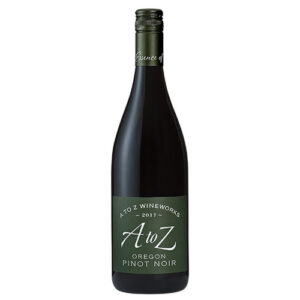
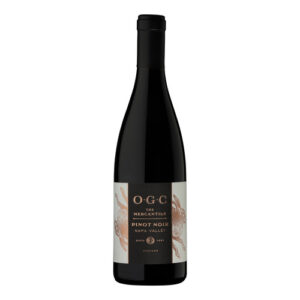
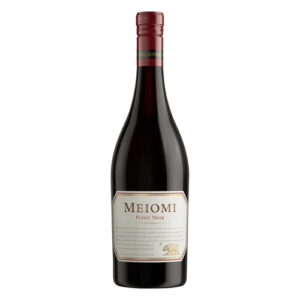
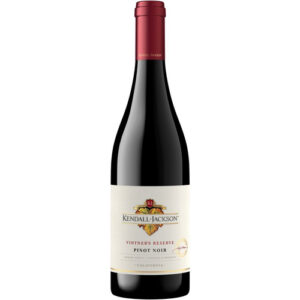
For fall evenings that haven’t yet turned to full winter heaviness, Pinot Noir is one of the most elegant and reliable choices. It bridges the gap between summer’s lighter wines and the plush reds of winter. Typically light to medium in body, it brings brightness of red cherry, raspberry, cranberry, balanced by earthy undertones—think mushroom and herbs. These characteristics make it a fabulous match with fall ingredients like roasted chicken, mushroom risottos, herb-laden pastas, salmon dishes, or even grilled pork.
Shop Pinot Noir

Cabernet Sauvignon
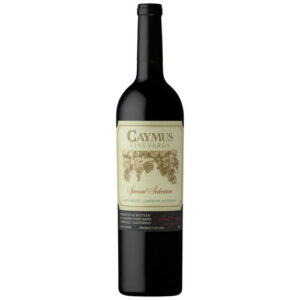
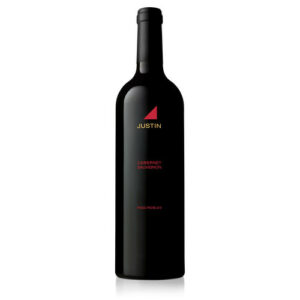
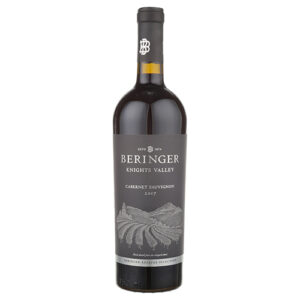
When the nights grow colder and the menu moves toward serious fare—grilled steaks, venison, aged cheeses, rich sauces—then Cabernet Sauvignon takes center stage. This is a full-bodied wine with bold structure: firm tannins, dark fruit (blackcurrant, black cherry, plum), plus notes of cedar, tobacco, vanilla, and baking spice from oak aging. These attributes make it ideal for fall’s hearty dishes and more contemplative evenings.
From California’s Napa Valley to Bordeaux left-bank blends, Cabernet offers age-worthiness and complexity. The firm tannins help it stand up to richness (think red meat, game, mushroom gravies). The oak-derived spice layers fit beautifully with autumn’s cinnamon, nutmeg, and vanilla tones in food.
Shop Cabernet Sauvignon


Syrah / Shiraz
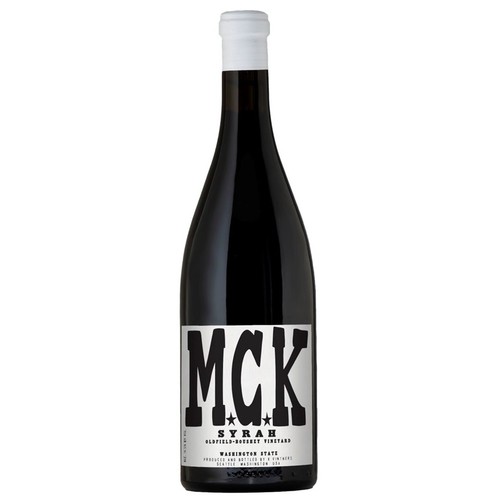
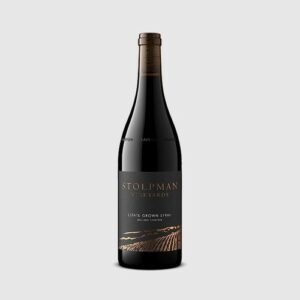
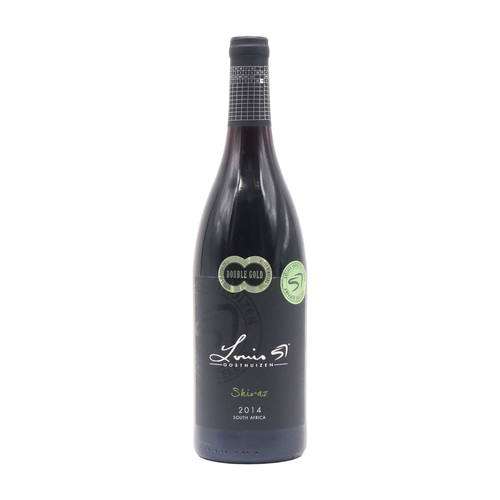
When you want something bold and a little smoky for outdoor gatherings, fire-pit evenings or barbeque, the grape varieties Syrah (French style) and Shiraz (Australian style) shine. These wines bring in dark berry fruit, black cherry, sometimes jammy fruit, plus distinct pepper, smoke, leather and spice — all of which complement autumn’s wood-smoke, charred meats, and warming seasonal herbs.
French Syrah (Northern Rhône) tends toward pepper, tar, herbal notes, darker mineral earth; Australian Shiraz often leans riper with chocolate, vanilla, bold fruit, full body. Both styles elevate dishes like lamb chops with smoked paprika rub, smoky brisket, sausage and charcuterie boards, and grilled mushrooms.
Shop Syrah / Shiraz

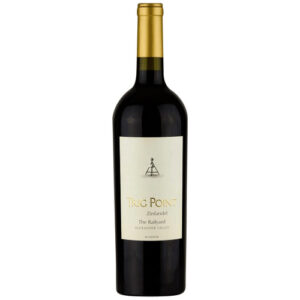
Zinfandel
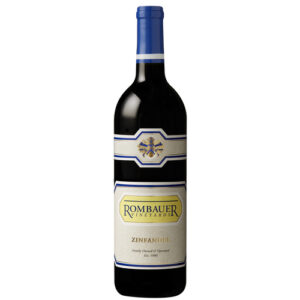
Fall evening = comfort food. Enter Zinfandel. Particularly in California, Zinfandel brings jammy blackberry and raspberry fruit, a warmth (alcohol slightly higher), spice (clove, cinnamon, vanilla), sometimes even a hint of dark chocolate — all perfect for cozy fall nights. It’s less “serious” than Cabernet, but absolutely hits the comfort-and-flavor target: think ribs, stews, grilled sausages, baked sweet-potato sides, spiced desserts.
Regions like Sonoma and Paso Robles deliver Zins with balance: ripe fruit + spice + structure. For gatherings when you want a crowd-pleaser with character (but maybe less formal than big Cabernet), Zinfandel is a strong bet.
Shop Zinfandel
White Wines That Shine in Autumn
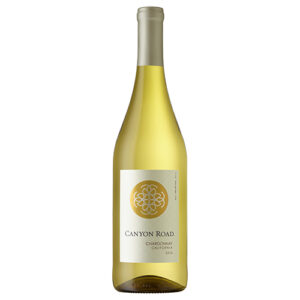
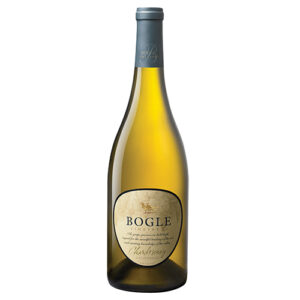
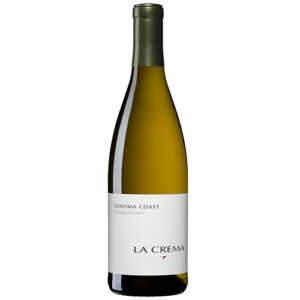
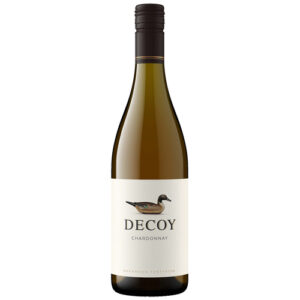
Chardonnay
While white wines might get less attention in fall, a Chardonnay fits beautifully. This style delivers richness (buttery, creamy texture), flavors of apple/pear, vanilla, caramel, toast from oak aging, yet retains enough acidity to keep it lively. It pairs especially well with foods like roasted turkey, chicken with cream sauce, butternut squash soup, sweet potato gratin — dishes that straddle the comfort-food and refined dinner lines.
Whether from Burgundy with mineral complexity, or California with riper fruit, the style works because the oak/spice notes sync with fall’s vanilla and nutmeg flavors and the richness matches the heavier fare.
Shop Chardonnay
Riesling
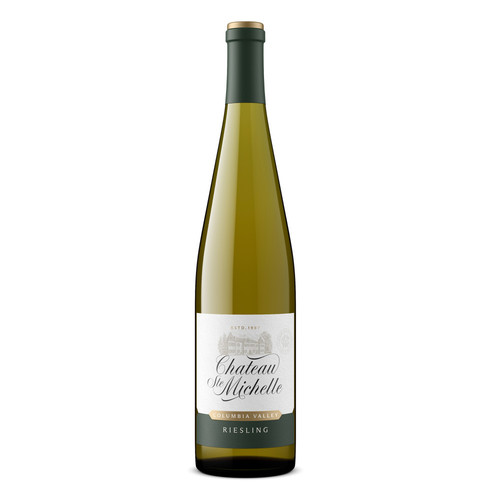
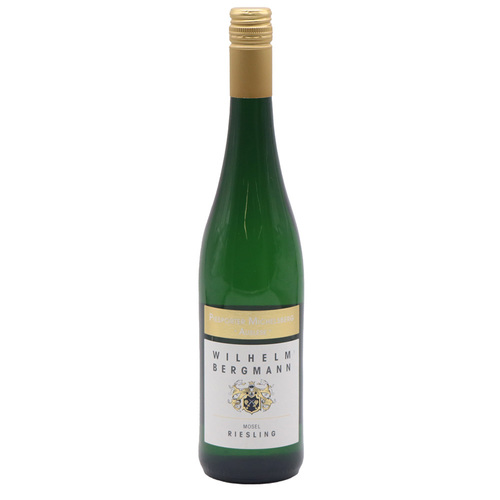
Often overlooked for fall, the grape Riesling offers enormous versatility. From bone-dry to off-dry, Riesling brings aromatic flair (apple, peach, honey, petrol/mineral), bright acidity, and the ability to pair with a wide range of dishes. In the autumn palette, think spiced pork chops, apple-based desserts, dishes with sweet potato or chili spice: a dry Riesling can cut through richness; an off-dry style can complement slight sweetness or spice.
German and Alsatian examples bring minerality and precision; U.S. versions (e.g., Finger Lakes, Columbia Valley) offer value and food-friendliness. The freshness of Riesling is refreshing in fall when heavier dishes dominate.
Shop Riesling


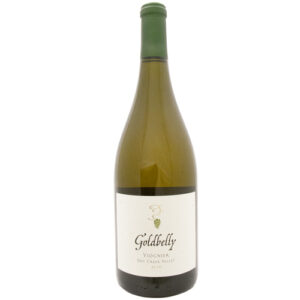
Viognier
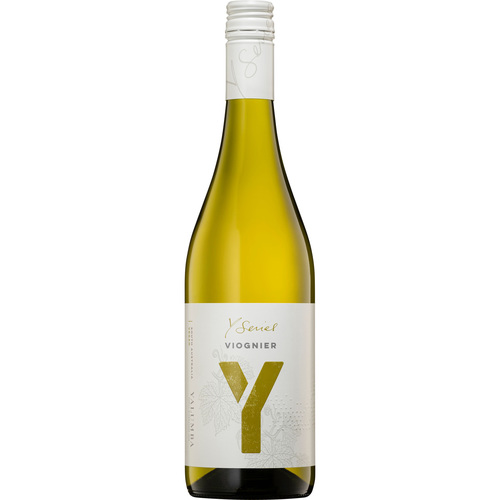
For white wine lovers who want something with aromatic intensity and body, Viognier is an excellent fall pick. With fragrant aromas of honeysuckle, apricot, peach, sometimes white pepper or spice, and often a rich texture, Viognier pairs well with dishes like roasted root vegetables, turkey with herb butter, chicken in sage-cream sauce, or a herbed squash gratin.
Originating in the Rhône Valley, it now thrives in California, Virginia and other emerging regions. Its full body and aroma intensity mean it shows up well next to richer fare while still offering bright fruit and spice character.
Shop Riesling
-
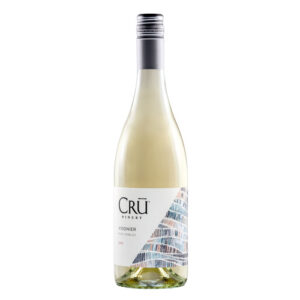
Cru Vineyard Viognier
750MLThis product is currently unavailable at your selected store.$19.99Check Nearby Stores -
-

-
Fall Wine and Food Pairing Fundamentals
Pairing effectively in the fall means paying attention to weight, flavor tone, and seasonal ingredients/spices.
- Match weight to food: Lighter-ish reds (Pinot Noir) for poultry or transitional dishes; fuller reds (Cabernet, Syrah) for heavy meats or stews; richer whites (oaked Chardonnay, Viognier) for creamy or herb-laden dishes; aromatic/acidic whites (Riesling) for spiced or sweet/ savory combinations.
- Flavor echo and contrast: A wine’s spicy/oak/earth notes often echo the food’s spice/herbs; its acidity or tannin provide contrast and balance. For example, a wine with vanilla and baking‐spice notes mirrors a dish with nutmeg and cinnamon. A wine with earth/mushroom notes pairs beautifully with roasted root vegetables and mushrooms.
- Versatility counts: If you’re serving a multi‐course fall meal, a well‐chosen wine like a good Pinot Noir or a flexible Riesling could span multiple courses, reducing the number of bottles required.
- Transition from summer: As you move from light summer fare to richer fall menus, shift your wines accordingly—which is the theme of this post.
- Mind the spices: With dishes using warming spices (cinnamon, nutmeg, allspice), pick wines with oak/spice character. With herb-heavy dishes (sage, rosemary, thyme) pick wines with earth/herb/mineral presence.
- Ambiance & presentation: Serve wines in proper glassware, at correct temperature—this ensures the wine’s nuances show up and you get the full benefit of your pairing.
Serving Fall Wines Like a Pro
- Serving temperature: Reds: 60-65 °F is ideal so the fruit shows and tannins are smooth. Whites (full-bodied): ~45-50 °F so aromatics and texture shine.
- Decanting: Bold reds (Cabernet, Syrah) benefit from ~20-30 minutes decanting to open up and soften. Younger wines may need longer; older ones less, and be gentle.
- Glassware:
- Reds: large bowl glasses let the complex aromatics develop.
- Whites: tulip-shaped or medium bowl to concentrate aromatics but keep cooler.
- Reds: large bowl glasses let the complex aromatics develop.
- Storage/aging: If you’re drinking now, keep wines in a cool, stable spot. If you’re buying for aging, aim for wines with structure and the potential to improve (many Cabernets, some Pinot Noirs, some Rieslings).
- Building a fall collection: Plan ahead. Have a few bottles from each category (light-to-medium red, full red, aromatic white, rich white) so you’re ready for everything—weeknight dinner, outdoor fire-pit, holiday meal.
- Ambiance & extras: Use seasonal touches—candles, warm oak tones in décor, soft blankets, a fire pit if outdoors. Consider serving cheeses and charcuterie boards with seasonal nuts, dried fruits, root-vegetable crisps—these match wine profiles and enhance the experience.
- Budget-friendly smart buys: You don’t need premium price tags. Specs carries many value picks. Focus on good regions/varieties rather than just big names. So you can treat yourself for a weeknight meal without breaking the bank.
FAQ
Summer wines often emphasize bright acidity, crisp textures, lighter fruit flavors (citrus, green apple, stone fruit), and minimal oak so they feel refreshing in heat. In contrast, fall wines lean toward richer body, deeper fruit (dark berries, plums), earthy/mushroom notes, oak-derived vanilla, toast, baking spice, and more integrated structure. The shift reflects our changing appetite from hot-weather refreshment to cooler-weather comfort and deeper flavor experiences.
Yes you can drink rosé in the fall—particularly the richer styles. Look for rosés made via the saignée method (often from grapes like Grenache or Syrah) which have more body, deeper color, and subtle earthy or spice notes. These can work beautifully with fall appetizers or outdoor fire-pit gatherings. Sparkling rosé is also an excellent choice for harvest/holiday celebrations.
Most fall wines are ready now. However:
-
- Cabernet Sauvignon: many benefit from 5-15 years of aging, smoothing tannins and developing tertiary notes of leather, tobacco, cedar.
-
- High-quality Pinot Noir: 3-8 years or more for complexity to develop.
-
- Oaked Chardonnay: often best within 2-5 years though some premium Burgundies age longer.
-
- Riesling: while many are meant to drink young, some German or Alsace Rieslings can age for decades. Always check the producer and vintage for specifics.
-
- Pinot Noir: Oregon’s Willamette Valley (cooler climates).
-
- Cabernet Sauvignon: Napa Valley, Washington’s Columbia Valley.
-
- Syrah/Shiraz: Northern Rhône (France) for pepper/spice; Barossa & McLaren Vale (Australia) for richer style.
-
- Zinfandel: California (Paso Robles, Sonoma County) for jammy fruit + spice.
-
- Oaked Chardonnay: Burgundy (France) for mineral + richness; California’s Central Coast & Napa for riper fruit + oak.
-
- Riesling: Mosel/Rheingau (Germany); Finger Lakes (USA).
-
- Viognier: Rhône Valley (France); California & Virginia (USA).
Specs carries many from these regions including the ones listed above.
- Viognier: Rhône Valley (France); California & Virginia (USA).
Start by purchasing one good bottle from each major fall category rather than many mediocre bottles. Focus on value wines (look for quality producers in lesser-known sub-regions or earlier vintages). Take advantage of sales (Specs’s “Fall Sale” is a good example). Store your collection intelligently (cool, stable temperature) so you can pull the right bottle when the season hits. Also mix in a few “everyday” wines along with one “special” bottle for your holiday/celebration.